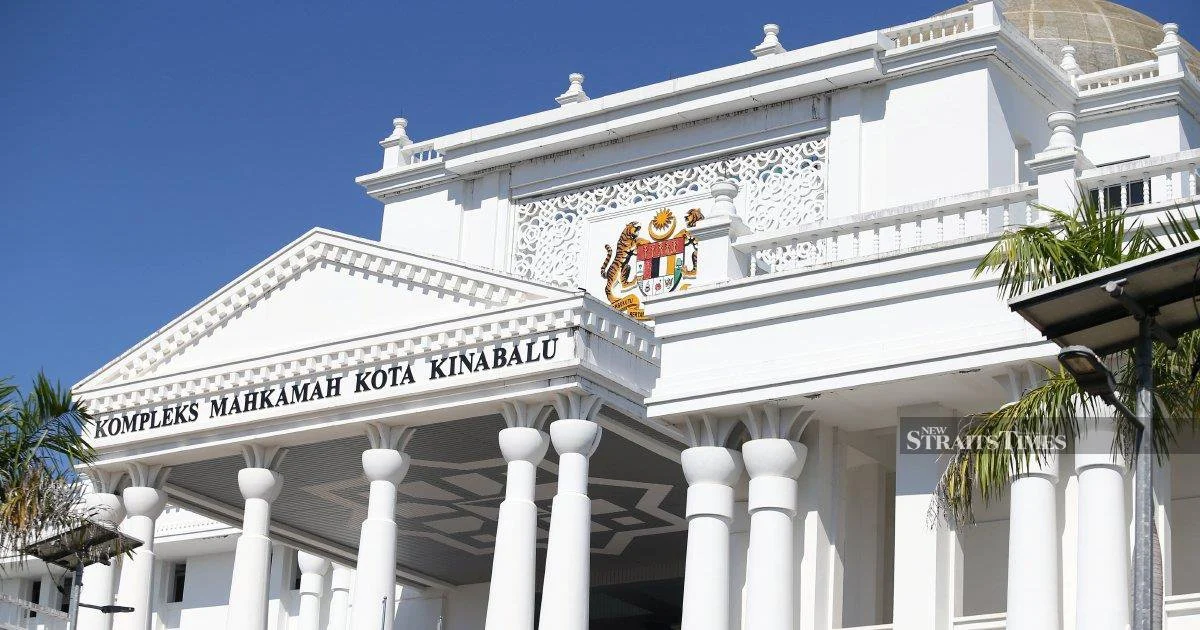
The judicial inquest into the death of Zara Qairina Mahathir reached a significant procedural moment in Kota Kinabalu when the 74th witness took the stand to address her professional assessment of documentary evidence. During her testimony, the expert indicated constraints in her ability to challenge or dispute the conclusions reached by a fellow specialist in the same discipline, raising questions about the nature of expert disagreement and the interpretation of forensic documentation analysis in high-profile cases.
This latest witness represents the lengthy accumulation of evidence being presented to establish the circumstances surrounding the teenager's death. The protracted nature of the inquest, now spanning many witnesses, underscores the complexity and sensitivity of the case, which continues to attract significant public attention. Each day of testimony adds layers of detail that the court must weigh as part of its mandate to investigate deaths falling within its jurisdiction.
The witness's statement that she could not contradict another expert's findings reveals fundamental questions about how Malaysian courts evaluate competing professional opinions during inquests. Document examination, like many forensic disciplines, can sometimes yield differing interpretations when the same materials are analysed independently. The reluctance or inability of experts to directly dispute each other's work may reflect professional courtesy, the inherent limitations of forensic methodology, or the complexity of reconciling different analytical approaches.
For Malaysian legal observers, this moment illustrates how inquest proceedings operate differently from criminal trials. Rather than prosecution versus defence experts locked in direct adversarial combat, inquest witnesses are summoned to provide neutral professional opinion to assist the court in determining how death occurred. This framework assumes a shared commitment to objectivity, yet it can sometimes produce situations where specialist disagreements remain unresolved or ambiguous.
The document examination field itself carries particular weight in this inquest, suggesting that written records, signatures, or other physical evidence form a crucial component of understanding what transpired. Whether the materials in question relate to medical records, communications, or other documentation remains a matter of court interest. The importance placed on document evidence indicates that the narrative of events leading to the teenager's death may turn significantly on what various papers reveal or conceal.
This witness's position also reflects broader challenges within expert testimony frameworks across Southeast Asia. As judicial systems increasingly rely on forensic specialists and technical experts, questions persist about whether courts adequately manage situations where experts disagree, remain silent, or acknowledge uncertainty. The Malaysian inquest system operates with specific rules governing how experts may testify and what constitutes appropriate professional opinion.
The accumulation of 74 witnesses speaks to the institutional commitment to a thorough investigation. Each person called to the stand presumably offers some material fact, contextual detail, or specialist perspective deemed relevant to the court's inquiry. This methodical approach, while sometimes lengthy, reflects the principle that high-profile deaths warrant comprehensive examination of all available evidence and testimony.
For the bereaved family and Malaysian society more broadly, the inquest's progress toward a conclusion remains meaningful. The court's eventual findings—whether attributing death to accident, natural causes, or other determinations—will provide an official account that shapes public understanding. The presence of numerous witnesses, expert disagreements, and procedural complexities all form part of how the judicial system constructs that authoritative narrative.
The inability to dispute another expert's conclusions may also indicate that both practitioners, despite potentially working from different methodologies or emphases, reached sufficiently aligned conclusions that direct contradiction became unnecessary or impossible. Alternatively, it might suggest professional boundaries where one expert declines to critique a peer's work without full access to their methodology or raw data. Either interpretation carries implications for how thoroughly competing evidence is tested during inquest proceedings.
As the inquest continues, attention now turns to what additional witnesses will reveal and how the court will ultimately synthesize the competing or complementary perspectives offered by different experts. The document examination evidence, whatever its definitive conclusions may be, occupies a particular space in the broader mosaic of testimony. The 74th witness's position underscores that even in technically sophisticated investigations, gaps and ambiguities can persist regarding professional certainty and the authority with which experts address contested matters.

