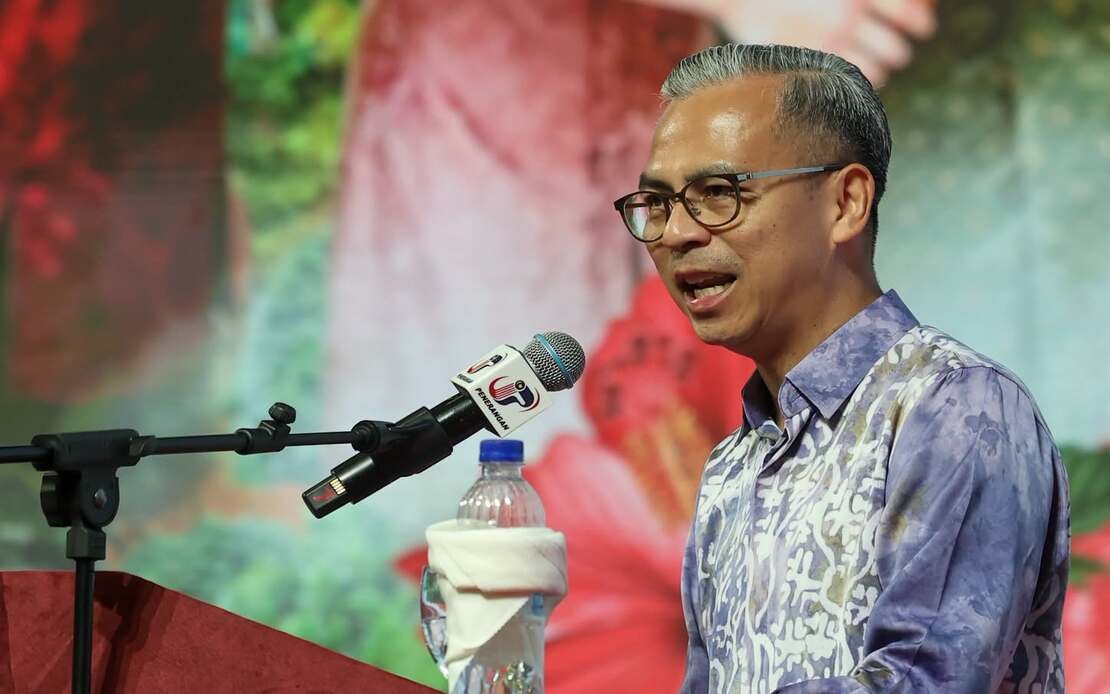
Communications Minister Datuk Seri Fahmi Fadzil has publicly endorsed 'Aku Berjanji', a newly composed song by celebrated Malaysian musician Faizal Tahir, following its selection as the official theme for the nation's 2026 National Day and Malaysia Day (HKHM) festivities. The track made its debut performance during the launch of the 2026 National Month and Fly the Jalur Gemilang Campaign in Ipoh, marking a significant moment in the year-long campaign to celebrate Malaysia's national identity.
In his Facebook statement, Fahmi commended the artistic direction of the composition, describing it as a powerful vehicle for messaging centred on unity, collective solidarity, and patriotic devotion. The minister's endorsement represents official government backing for a cultural initiative designed to galvanise national spirit ahead of the dual celebrations marking Malaysia's independence and the formation of the Malaysian Federation. The timing of the campaign's launch under the auspices of Prime Minister Datuk Seri Anwar Ibrahim underscores the administration's commitment to fostering cohesion among Malaysians across diverse backgrounds.
The selection of Faizal Tahir as the artistic voice of this campaign reflects deliberate strategy on the part of cultural planners. As an established figure in the Malaysian music industry, Tahir brings both credibility and widespread appeal to the national campaign, potentially reaching audiences beyond traditional patriotic programming. His composition carries thematic weight that extends beyond ceremonial function, embedding messaging about togetherness and national pride within an accessible musical framework designed for popular resonance.
Fahmi's remarks extended beyond mere congratulation to encompass practical guidance for public participation in the celebrations. He specifically urged all Malaysians to display the Jalur Gemilang with deliberate care, emphasising that flag presentation should reflect proper maintenance standards and correct installation practices. This directive addresses a frequently observed gap between enthusiastic patriotic sentiment and the practical execution of symbolic gestures, suggesting that the government seeks to ensure the visual landscape of the celebrations reflects the dignity intended by the campaign.
A particularly noteworthy element of Fahmi's statement concerns the responsible deployment of artificial intelligence technology in relation to national symbols. The minister warned social media users against employing AI image generation tools to create depictions of the Jalur Gemilang, cautioning that such processes frequently produce errors that could inadvertently compromise the integrity of Malaysia's most recognisable emblem. This guidance reflects emerging concerns about digital authenticity and the potential for technological tools to undermine rather than enhance national representation in an increasingly online-mediated public sphere.
The broader context for this campaign underscores Malaysia's ongoing engagement with questions of national identity and social cohesion. With 2026 marking significant anniversaries, the government has positioned these celebrations as opportunities to reinforce shared values across the nation's multicultural and multireligious population. The emphasis on unity messaging within the theme song responds to contemporary concerns about divisiveness and fragmentation that periodically emerge in Malaysian political discourse.
Faizal Tahir's previous work has demonstrated his capacity to connect with mainstream audiences while addressing substantive themes. His involvement in this patriotic project therefore carries implications beyond ceremonial significance, potentially influencing how younger and digitally-engaged Malaysians engage with nationalist sentiment. The selection process likely involved consideration of how traditional patriotic messaging could be repackaged for contemporary cultural consumption without diluting its essential meaning.
The Ipoh launch location itself carries symbolic weight within Malaysian political geography. As the capital of Perak, a state with significant historical importance in Malaysia's constitutional development, the choice of venue reinforces the territorial inclusivity of the national campaign. By initiating festivities outside the Klang Valley, the government signals that 2026 celebrations are designed to encompass all regions and communities across the federation.
Fahmi's emphasis on public responsibility in flag display represents governmental acknowledgment that national symbols retain power primarily through respectful collective observance. The specification of maintenance and installation standards, while apparently technical, reflects an understanding that patriotic enthusiasm requires channelling through proper protocols to achieve its intended social effect. This approach balances encouragement for mass participation with insistence on maintaining standards that preserve national symbolism.
The campaign's multi-platform launch, encompassing musical premiere, political endorsement, and practical guidance, demonstrates coordinated strategic communication. By anchoring celebrations in an artistic work rather than purely political messaging, the government attempts to depoliticise patriotic expression and position it as broadly accessible cultural experience. This approach may prove particularly significant for a nation where political divisions have occasionally complicated expressions of shared national identity.
Looking forward, the performance and reception of 'Aku Berjanji' will likely influence how effectively the 2026 campaign resonates with Malaysian audiences. The song's success in establishing itself as an emblematic expression of national sentiment could substantially shape public engagement with the year-long festivities. Should the composition gain widespread adoption and cultural prominence, it could endure beyond 2026 as a touchstone for Malaysian patriotic expression, much as previous national songs have embedded themselves in collective memory.

