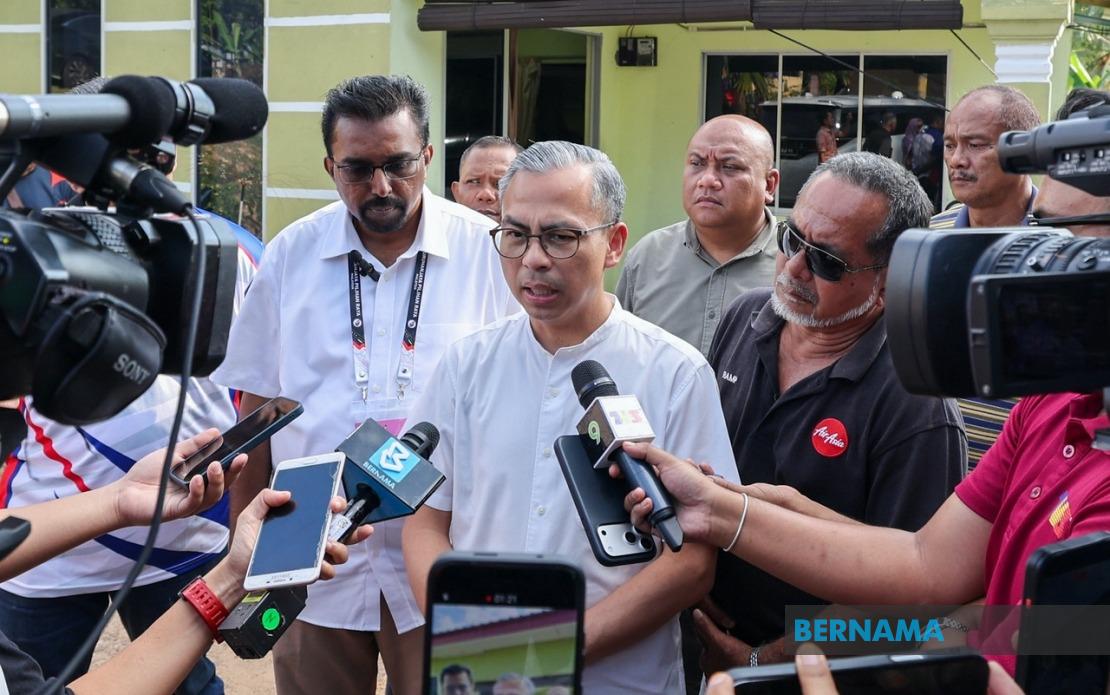
In a significant push for governmental transparency, Communications Minister Datuk Seri Fahmi Fadzil has demanded that the Royal Commission of Inquiry report on Tabung Haji be released to the public without delay. Speaking at a community engagement event in Jempol, Fahmi emphasised that disclosure of the final inquiry findings would serve the broader Malaysian public by offering a complete account of the issues that prompted the investigation into allegations concerning the Islamic pilgrimage fund's asset sales.
The minister's intervention underscores growing momentum within the government to shed light on the Tabung Haji saga, a matter that has drawn considerable public concern and speculation. By insisting on transparency and fairness as guiding principles, Fahmi articulated a clear position that citizens and contributors to the fund deserve unrestricted access to the commission's conclusions. His remarks suggest that the administration believes withholding such information would contradict its stated commitment to open governance and public accountability.
Fahmi's call comes on the heels of Prime Minister Datuk Seri Anwar Ibrahim's own statement signalling the government's readiness to make the RCI findings public. Anwar indicated that he would consult with Chief Secretary to the Government Tan Sri Shamsul Azri Abu Bakar regarding the publication timeline, with expectations that the report would reach public hands no later than the following Wednesday. This coordination between the Prime Minister's office and the communications ministry suggests a deliberate strategy to manage the disclosure and shape the accompanying narrative.
The Tabung Haji RCI was established to investigate controversial transactions and management decisions at the institution, particularly regarding the disposal of significant strategic assets. The fund, which serves millions of Malaysian Muslims saving for the Hajj pilgrimage, has been a subject of intense scrutiny following disclosures about financial irregularities and asset transfers that preceded the appointment of new leadership. Public confidence in the institution depends heavily on clarity about what transpired during the period under investigation.
Fahmi stressed that under its current management and administration, Tabung Haji stands on considerably firmer footing than previously. This assessment reflects the broader government narrative about institutional reform and recovery since new leadership took control. By coupling the call for transparency with affirmations of improved governance, the minister positioned the report's release not as an admission of past failures but as evidence of institutional correction and renewed stability.
For Malaysian depositors and contributors, access to the RCI report carries profound implications. Many ordinary Malaysians have invested their savings in Tabung Haji specifically for pilgrimage purposes, and questions about fund management directly affect their financial security and trust in the institution. The inquiry's findings will illuminate whether safeguards protecting such savings were adequate and whether corrective measures now in place sufficiently prevent future irregularities.
The timing of this transparency push reflects broader political considerations. The government's willingness to release the report suggests confidence that the findings will not prove catastrophically damaging to its credibility or to that of officials involved in past decisions. Conversely, withholding the report would invite speculation and conspiracy theories that could damage public trust more severely than straightforward disclosure of uncomfortable truths.
From a Southeast Asian perspective, Malaysia's handling of this financial governance matter carries symbolic weight. The region has grappled with numerous corporate and institutional scandals, and governments' varying approaches to transparency and accountability influence investor confidence and institutional integrity across borders. A commitment to releasing the RCI findings demonstrates Malaysia's willingness to subject large institutions to public scrutiny, potentially strengthening confidence in the nation's financial ecosystem.
The political consensus around disclosure also reflects lessons learned from previous scandals where suppressed information eventually emerged, causing far greater reputational damage than early transparency would have. By endorsing rapid release of the report, both Anwar and Fahmi signal recognition that prolonged secrecy generates corrosive public distrust, particularly regarding matters touching Muslims' religious obligations and financial security.
The deposit base of Tabung Haji extends across Malaysia's diverse population, representing a nationwide constituency invested in the fund's stability. Farmers in Kedah, urban professionals in Kuala Lumpur, and workers throughout the country contribute their earnings to this institution. The RCI report will determine whether their savings remain adequately protected and whether governance improvements are genuine rather than superficial.
As the government prepares for public release, stakeholders will scrutinise not only the report's substantive findings but also what information may have been excluded or redacted on grounds of national security or commercial sensitivity. The extent of unfiltered disclosure will itself communicate how seriously authorities take transparency obligations and whether they view Tabung Haji's issues as matters requiring complete public reckoning or partial concealment.
The coming days will test whether the government's rhetorical commitment to transparency translates into genuine, comprehensive disclosure. The deadline indicated by Anwar provides a clear benchmark against which to measure governmental sincerity regarding accountability and institutional reform. For Malaysians awaiting clarity on how their savings have been managed, the imminent release of the RCI report represents both an opportunity for understanding and a moment of truth about whether promised governance improvements have genuine substance.

