The Negeri Sembilan state election campaign took a concerning turn when billboards belonging to Pakatan Harapan candidate Dr Azizul Hakim Mahdi in the Rantau constituency were vandalised, prompting Communications Minister Datuk Seri Fahmi Fadzil to publicly call for an elevated standard of political conduct. Speaking in Seremban on July 22, Fahmi emphasised that all contesting parties must commit to campaigns grounded in substantive discussion and factual debate, deliberately steering clear of character assassination and destructive interference that undermines democratic principles.
The vandalism incident appears to be symptomatic of broader campaign tensions in the run-up to the August 1 polling date. Social media posts purporting to show footage of the billboard destruction have circulated online, a development Fahmi acknowledged while stressing that such matters must be handled through proper law enforcement channels. The minister characterised the alleged sabotage as a serious offence, indicating that authorities would pursue appropriate investigative measures and take whatever legal action is warranted under electoral and criminal statutes.
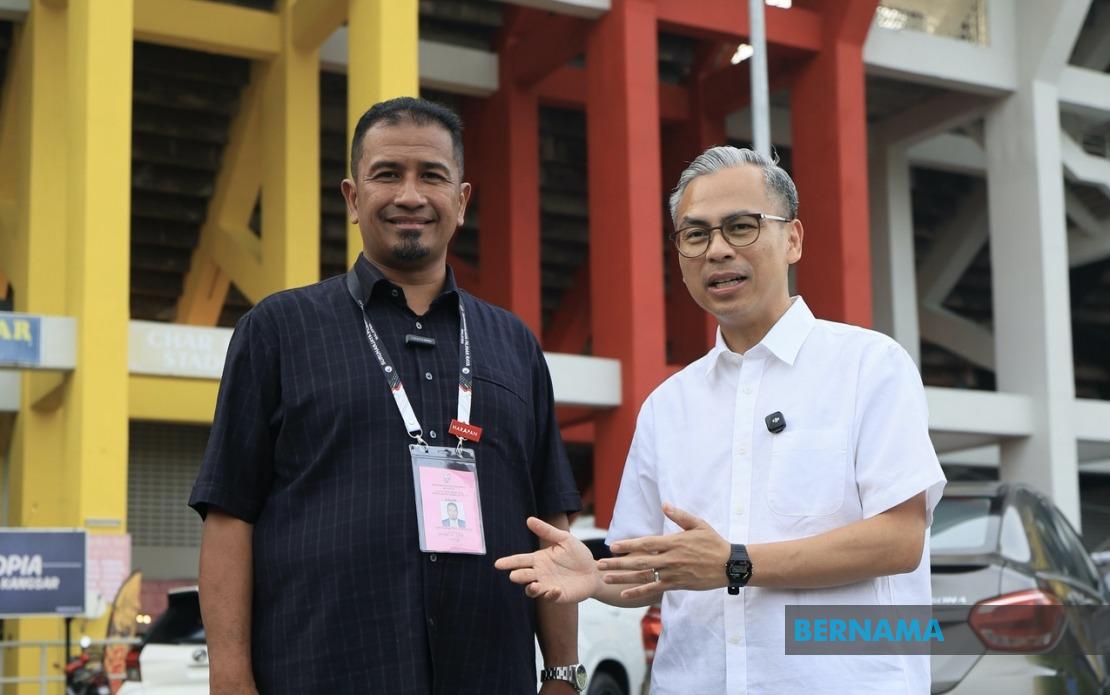
Fahmi's remarks, delivered while accompanying PH's Sikamat state seat candidate Nur Azman Mohamad during a campaign engagement at Paroi Stadium's Seremban City Council stalls, underscore growing official concern about maintaining campaign decorum during the election period. The episode highlights the persistent friction that emerges during competitive electoral cycles across Malaysia, where physical campaign materials frequently become flashpoints for inter-party disputes. Rather than attributing blame to any particular faction, Fahmi adopted a measured approach, appealing to all competitors to demonstrate political maturity by focusing their energies on substantive policy debates and evidence-based arguments.
The Negeri Sembilan state election represents a significant contest for Pakatan Harapan in a state where fortunes have shifted considerably over recent years. The vandalised billboards incident serves as a reminder of the stakes involved and the animosity that can surface when parties compete intensely for voter support. By calling out such conduct explicitly, Fahmi has signalled that the government views destructive campaign tactics not merely as poor form but as genuine breaches of electoral norms that demand official attention and public condemnation.
In his assessment of the overall campaign trajectory, Fahmi indicated that while the contest remained in its nascent stages, he anticipated significantly heightened intensity as polling day approached. His automotive metaphor—describing the first week as parties operating in second gear rather than their top speed—suggests that the most vigorous phase of electioneering remained ahead. This observation carries particular relevance for Malaysian voters seeking to evaluate candidates and parties based on their policy platforms and performance records rather than on emotive appeals or personal attacks amplified through campaign machinery and media channels.
Prime Minister Datuk Seri Anwar Ibrahim has already committed substantial political capital to the Negeri Sembilan race, conducting multiple campaign stops in the days surrounding Fahmi's statement. The minister indicated that additional senior government figures would intensify their campaign presence throughout the final week before August 1, signalling the administration's determination to strengthen PH's electoral position in the state. This high-level engagement reflects the competitive nature of the contest and suggests that demographic or regional shifts may have altered the political landscape in ways that demand renewed organisational effort from the ruling coalition.
For Malaysian voters in Negeri Sembilan and elsewhere, Fahmi's intervention carries implications extending beyond this particular state election. Campaign conduct standards and the tone of political discourse significantly influence public trust in democratic institutions and electoral processes. When candidates and parties resort to vandalism and sabotage rather than engaging voters through substantive debate, they diminish faith in parliamentary democracy and signal that winning power matters more than respecting shared civic norms. Fahmi's explicit condemnation of such tactics represents an attempt to uphold those norms and encourage all political actors to compete within established boundaries.
The timing of the billboard vandalism, occurring during the initial campaign week, demonstrates how quickly electoral competition can translate into concrete manifestations of inter-party hostility. The fact that evidence appeared on social media platforms amplified the visibility and symbolic weight of the incident, transforming what might have been a localised dispute into a matter garnering ministerial attention and formal official commentary. This digital dimension of contemporary campaigning means that campaign-related incidents now achieve rapid distribution and public visibility, making restraint in campaign conduct increasingly important for all parties seeking to maintain their public standing.
Election Commission procedures have established early voting opportunities on July 28, affording certain eligible voters the option to cast ballots before the scheduled August 1 polling day. These early voting arrangements, combined with the compressed campaign timeline, mean that the period between Fahmi's appeal for campaign maturity and the actual conduct of voting remains relatively brief. Candidates and party organisations must therefore act swiftly to heed such calls for elevated conduct, as the final phase of electioneering will significantly shape voter impressions and potentially influence electoral outcomes across the various state constituencies contested in this election cycle.

