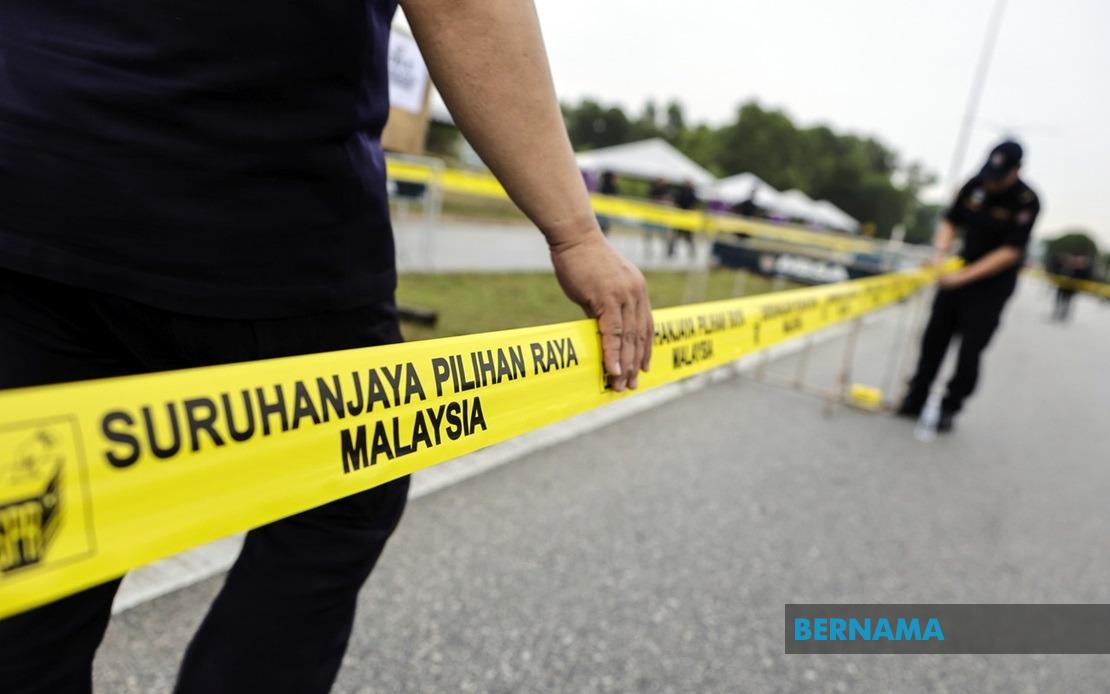
The Malaysian Meteorological Department has provided largely optimistic weather projections for tomorrow's nomination day in Negeri Sembilan, suggesting that the campaign's formal kickoff should proceed without significant disruption from rainfall. MetMalaysia director-general Dr Mohd Hisham Mohd Anip indicated that morning conditions will favour most of the state, with fair skies anticipated across Jelebu, Jempol, Kuala Pilah, Rembau and Tampin, though Port Dickson and Seremban, the state capital, are likely to experience rain during the same period.
The weather department's assessment points to a transition through the day, with afternoon developments potentially less favourable. Thunderstorms are expected to develop in most districts as the nomination process concludes and voters reflect on the candidates officially confirmed by returning officers. Dr Mohd Hisham emphasized, however, that this rainfall should not significantly hamper proceedings, characterizing anticipated showers as temporary and brief rather than sustained downpours that might disrupt the nomination centres' operations between 9 am and 10 am.
Temperature patterns across Negeri Sembilan are forecasted to remain within typical ranges for the state during this season. Minimum temperatures should settle between 23 and 24 degrees Celsius, while highs are expected to reach 32 to 33 degrees Celsius. These readings suggest conditions that, while warm, should remain manageable for candidates, their supporters, and election personnel who will be stationed at the eight nomination centres across the state. The meteorological department has advised all stakeholders to monitor the MetMalaysia website for real-time updates, allowing campaigns to adjust ground activities accordingly.
The nomination day represents a crucial moment in Negeri Sembilan's electoral calendar, with multiple political coalitions preparing to field candidates across the state's 36 seats. Pakatan Harapan has committed to contesting all available seats, distributing candidates among its three component parties: PKR securing 16 seats, DAP 11, and Amanah 9. This comprehensive slate reflects the coalition's confidence in its electoral prospects and strategic positioning across diverse districts. Barisan Nasional, meanwhile, has adopted a more selective approach, fielding 25 candidates through UMNO's 16 nominees, MCA's seven, and MIC's two representatives.
Perikatan Nasional has staked its claim with 11 candidates, drawing from PAS's five nominees, four from Parti Wawasan Negara, and individual candidates representing Gerakan and the Malaysian Indian People's Party. This composition illustrates the coalition's diverse coalition-building, extending beyond its traditional core to incorporate smaller parties seeking electoral legitimacy. Beyond these three major formations, several smaller parties have announced participation, including Parti Orang Asli Malaysia, Parti Sosialis Malaysia, and Parti Barisan Jemaah Islamiah Se-Malaysia, each fielding single candidates.
Bersatu is expected to formally announce its candidate list later today, completing the roster of contenders who will officially register during tomorrow's nomination process. The party's delayed announcement suggests ongoing internal negotiations or last-minute strategic adjustments to maximize its electoral impact. This decision-making pattern underscores the competitive intensity surrounding the state election and the calculations various parties undertake in optimizing seat allocation and candidate placement.
The electoral framework for this contest has been established following the Negeri Sembilan State Legislative Assembly's dissolution on June 5. The Election Commission designated July 28 as the early voting date, accommodating military personnel, their spouses, and police officers eligible for advance polling. The general election is scheduled for August 1, providing a two-week window between nomination confirmation and the main polling day. This timeline aligns with standard electoral procedures and allows campaigns sufficient period for grassroots mobilization and messaging.
The voter eligibility statistics reveal a substantial electorate across the state. The Election Commission's electoral roll encompasses 889,490 registered voters, comprising 867,151 ordinary voters alongside 16,884 military personnel and spouses, and 5,455 police officers. This composition of the voting population reflects Negeri Sembilan's mix of urban, semi-urban and rural constituencies, alongside the presence of security force personnel concentrated in particular districts. The total voter turnout in such elections typically hovers around 70-80 percent, suggesting that between 620,000 and 710,000 votes might be cast on August 1.
For Malaysian political observers and regional analysts, the Negeri Sembilan contest offers significant insights into current electoral dynamics and coalition viability. The state has historically served as a barometer of national sentiment, with its electoral results occasionally presaging broader shifts in voter preferences. The configuration of competing blocs—Pakatan Harapan, Barisan Nasional, Perikatan Nasional, and various independent or smaller party candidates—mirrors the fragmented political landscape characterizing Malaysia's post-2018 era. Negeri Sembilan's result will test whether any coalition has successfully consolidated support or whether electoral volatility continues to fragment the voting population across multiple options.
The weather forecast's prediction of manageable conditions during nomination day suggests that the logistics of the election process itself should proceed smoothly. When adverse weather significantly disrupts nomination procedures, it can create unforeseen complications in candidate registration or create perceptions of administrative chaos. Tomorrow's expected fair morning should facilitate orderly processing across all eight nomination centres, allowing candidates to register without logistical complications that might subsequently become controversial or fuel claims of mismanagement. The afternoon thunderstorm warning, while notable, arrives after the critical morning registration window, minimizing operational impact.
As campaigns formally launch with tomorrow's nominations, the state's political parties will have deployed their ground organization, messaging strategies, and candidate selection approaches toward what promises to be a closely contested election. The weather conditions, while seeming peripheral to political analysis, carry genuine practical implications for campaign activities. The expected afternoon thunderstorms might actually benefit indoor campaign events, such as ceramah or community engagement sessions, while morning fair weather should facilitate outdoor nomination centre activities and candidate photography for media purposes. Political strategists will factor these meteorological projections into their daily scheduling and activity planning during the campaign period leading toward August 1.

