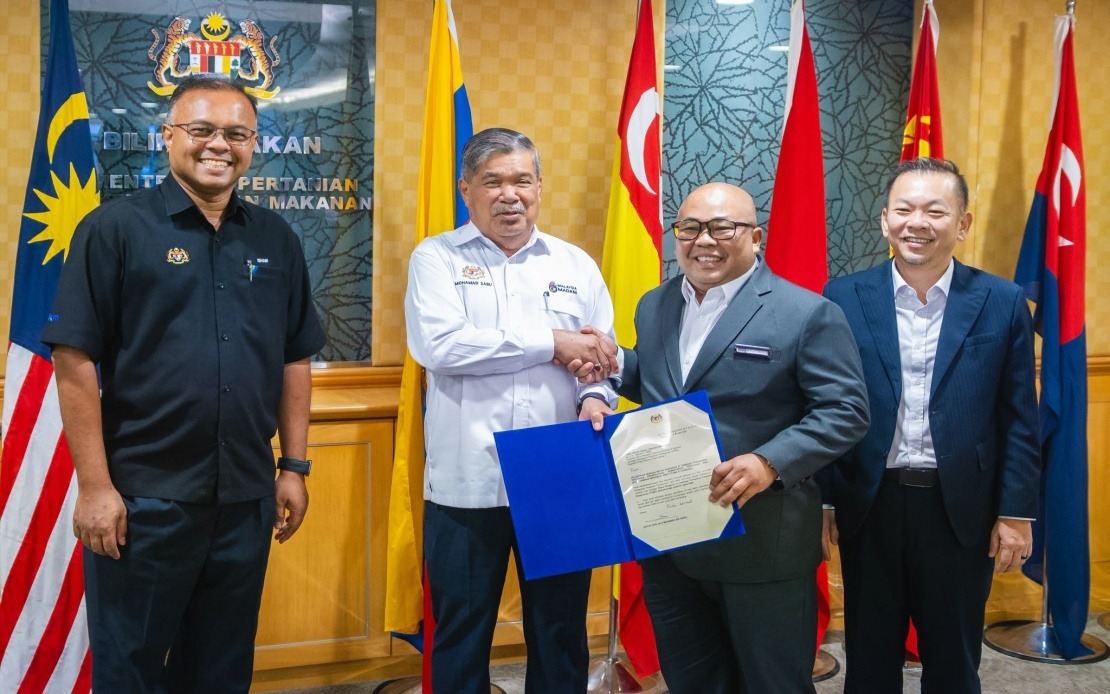
Faisal Iswardi Ismail has been elevated to the position of director-general at the Federal Agricultural Marketing Authority (FAMA), with his tenure beginning on August 1. Agriculture and Food Security Minister Datuk Seri Mohamad Sabu formally handed over the appointment letter during a post-Cabinet meeting in Kuala Lumpur, marking an official transition in leadership at one of Malaysia's key agricultural institutions.
The appointment of Faisal Iswardi, who previously served as deputy director-general overseeing food security and operations, represents a promotion from within the organisation. His background in these critical operational areas suggests continuity in FAMA's strategic direction during a period when Malaysia is increasingly focused on bolstering its agricultural sector and food supply resilience.
Minister Mohamad Sabu extended his congratulations through a public Facebook statement, acknowledging both the significance of the role and the responsibilities that accompany it. His remarks underscored the weightiness of leading an agency that sits at the intersection of farmer welfare and national food security—a nexus that has become increasingly important as countries across Southeast Asia grapple with supply chain vulnerabilities and the need to support rural livelihoods.
The minister's statement highlighted FAMA's multifaceted mandate. The authority functions not merely as a bureaucratic entity but as a crucial intermediary between agricultural producers and markets. By facilitating the marketing of locally grown products, FAMA helps create pathways for Malaysian farmers and agri-entrepreneurs to reach consumers while simultaneously strengthening the resilience of the domestic food supply chain. In the current regional context, where food security concerns loom large and import dependencies remain substantial, this coordinating role carries considerable weight.
For Malaysian farmers and agri-food entrepreneurs, the agency's work directly impacts income streams and market access. FAMA operates as a bridge that can help smaller producers overcome barriers to market entry and compete more effectively against imports. The appointment of a director-general with operational expertise in food security suggests a potential focus on ensuring that supply chain improvements remain central to the agency's activities, rather than becoming secondary to administrative concerns.
The timing of this appointment also reflects broader policy shifts within Malaysia's agricultural sector. The government has signalled its commitment to improving domestic food production, reducing reliance on imports, and modernising how agricultural products reach consumers. FAMA's role in this ecosystem has expanded correspondingly, making the choice of leadership personnel more critical than in previous years. Faisal Iswardi's promotion indicates that the ministry values continuity and institutional knowledge during this transformation phase.
Regionally, Malaysia's approach to agricultural marketing and food security carries implications for Southeast Asian trade patterns and cooperation frameworks. As ASEAN member states increasingly discuss regional food security mechanisms and supply chain resilience, the decisions made by organisations like FAMA ripple outward, influencing how Malaysian products are positioned within ASEAN markets and how the country balances domestic protection with regional trade commitments.
The formal presentation of the appointment letter, conducted in the presence of Cabinet colleagues, underscores the political significance attributed to this particular leadership transition. It signals to both the public and the agricultural sector that the government is invested in this portfolio and regards FAMA's operations as worthy of ministerial attention. For an organisation that sometimes operates outside the public spotlight, such visible backing from the top can strengthen its authority within government structures and enhance its ability to advocate for farmer interests.
Looking forward, Faisal Iswardi's tenure will likely test the effectiveness of FAMA's strategic vision against real-world challenges. Rising input costs, climate variability, competition from imports, and shifting consumer preferences all present obstacles that require both administrative competence and strategic foresight. His appointment letter carries with it not just a job title but an implicit mandate to navigate these pressures while maintaining the confidence that Minister Mohamad Sabu has publicly invested in him.
The minister's blessing extends beyond ceremonial recognition; it represents an endorsement that should provide Faisal Iswardi with sufficient political cover to implement potentially unpopular but necessary changes. Whether those changes involve restructuring marketing channels, adopting new technologies for supply chain transparency, or negotiating better terms for Malaysian agricultural exports, the support from ministerial leadership becomes instrumental in overcoming institutional resistance or external opposition.

