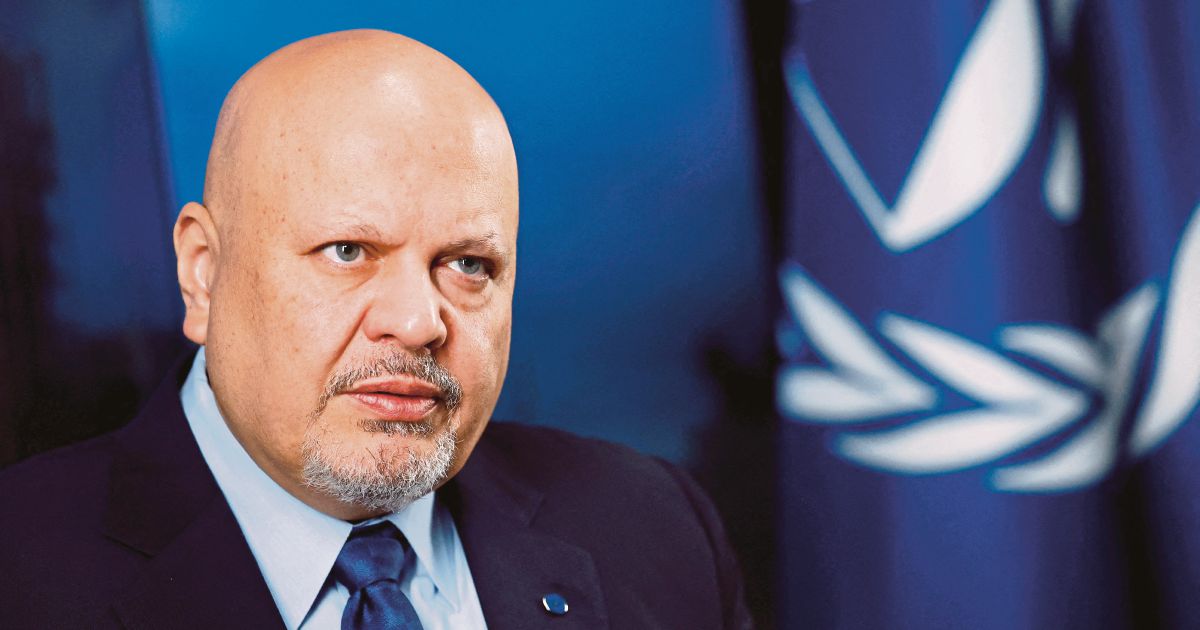
Karim Khan's removal as prosecutor of the International Criminal Court represents one of the institution's most significant internal crises, collapsing a career that had delivered the most geopolitically consequential arrest warrants in the court's two-decade history. Khan secured warrants against Russian President Vladimir Putin for alleged war crimes in Ukraine and Israeli leaders, actions that elevated the ICC's profile and demonstrated its willingness to pursue powerful nations. Yet this prosecutorial boldness came at a steep cost, as allegations of misconduct and abusive management practices unravelled the prosecutor's standing and created deep institutional fractures that observers worry could cripple the court's future effectiveness.
The contrast between Khan's achievements and downfall illuminates a troubling paradox within international justice mechanisms. His office pursued cases that many traditional powers had deemed politically untouchable, signalling that the ICC might finally transcend its reputation as a court primarily targeting African nations. The Putin warrants in particular represented a watershed moment, suggesting that distance from the Global North no longer guaranteed immunity. These prosecutorial decisions earned Khan international attention and support from numerous governments and advocacy groups, positioning him as a prosecutor willing to challenge conventional diplomatic constraints. This boldness attracted praise from those hoping the ICC would mature into a genuinely global institution accountable to all nations equally.
However, colleagues and staff within the court have painted a starkly different picture of Khan's management. Allegations centre on his treatment of subordinates, with accusations ranging from inappropriate conduct to creating a workplace environment characterised by fear and intimidation. These internal grievances ultimately became impossible to ignore, forcing the court's governing body to intervene. The decision to remove him reflects a judgment that whatever prosecutorial gains Khan had achieved, they could not justify the institutional damage inflicted during his tenure. The court faced an impossible choice between preserving a prosecutor delivering high-profile cases and maintaining the internal cohesion necessary for long-term legitimacy.
The broader implications for the ICC are substantial and troubling. International criminal justice depends upon institutional credibility and the perception that processes are fair, transparent, and insulated from personal vendettas or abuse. When the institution itself becomes a venue for allegations of misconduct at the highest levels, public confidence erodes. Countries already sceptical of the court's impartiality gained ammunition for their critiques, while potential witnesses and collaborators may view engagement with the prosecutor's office with greater suspicion. This institutional wound comes at a moment when the ICC's mandate has expanded to encompass conflicts in Gaza and Ukraine, precisely the high-stakes situations where credibility matters most.
For Southeast Asian readers, Khan's fall offers cautionary lessons about institution-building in international governance. The region has grappled with its own accountability mechanisms, including mechanisms related to the Association of Southeast Asian Nations and various transitional justice initiatives. The ICC's experience suggests that charismatic leadership and bold prosecutorial decisions, while symbolically powerful, cannot compensate for fundamental problems in institutional culture and governance. Sustainable international justice requires building organisations where rules apply consistently, where power is properly distributed, and where accountability flows in multiple directions simultaneously.
The timing of Khan's removal also matters geopolitically. His departure creates uncertainty about the future trajectory of ongoing investigations and prosecutions, particularly those involving major powers. Successor prosecutors will face pressure to either accelerate cases Khan initiated or dial back the court's profile on sensitive geopolitical matters. This transition period presents an opportunity for Khan's replacement to reset institutional relationships and management practices, but it also risks losing momentum on cases that required years of investigation and diplomatic effort to launch.
Khan's personal narrative reflects the dangers of insufficient checks on prosecutorial power. Even institutions explicitly designed to constrain national governments can become vehicles for individual overreach when oversight mechanisms prove inadequate or when institutional culture prioritises results over process. His trajectory demonstrates that international accountability mechanisms require robust internal governance structures, not merely competent or ambitious leadership at the top. The court's response to allegations against Khan suggests that important institutional guardrails ultimately functioned, but only after considerable damage had accumulated.
The court faces an urgent need to restore morale among its workforce and demonstrate that the institution takes allegations seriously regardless of the accused's rank. This means implementing meaningful accountability measures and ensuring that future prosecutors understand that pursuing international criminals does not exempt them from respecting basic professional and ethical standards. The manner in which the court manages this transition will signal whether its commitment to accountability extends equally to all personnel or whether it reserves scepticism primarily for defendants from disfavoured nations.
Moving forward, the ICC must balance its need to pursue powerful actors with its responsibility to maintain institutional credibility. Khan's downfall, paradoxically, may strengthen the court in the long term if the institution successfully uses this crisis as an opportunity to reinforce governance standards and rebuild internal trust. However, the immediate cost is tangible: prosecutions may slow, staff morale will require restoration, and global sceptics will cite institutional chaos as evidence that the court cannot function as intended. For Southeast Asian nations evaluating their relationship with the ICC, Khan's departure underscores both the court's potential to hold major powers accountable and the institutional fragility that threatens its mission.

