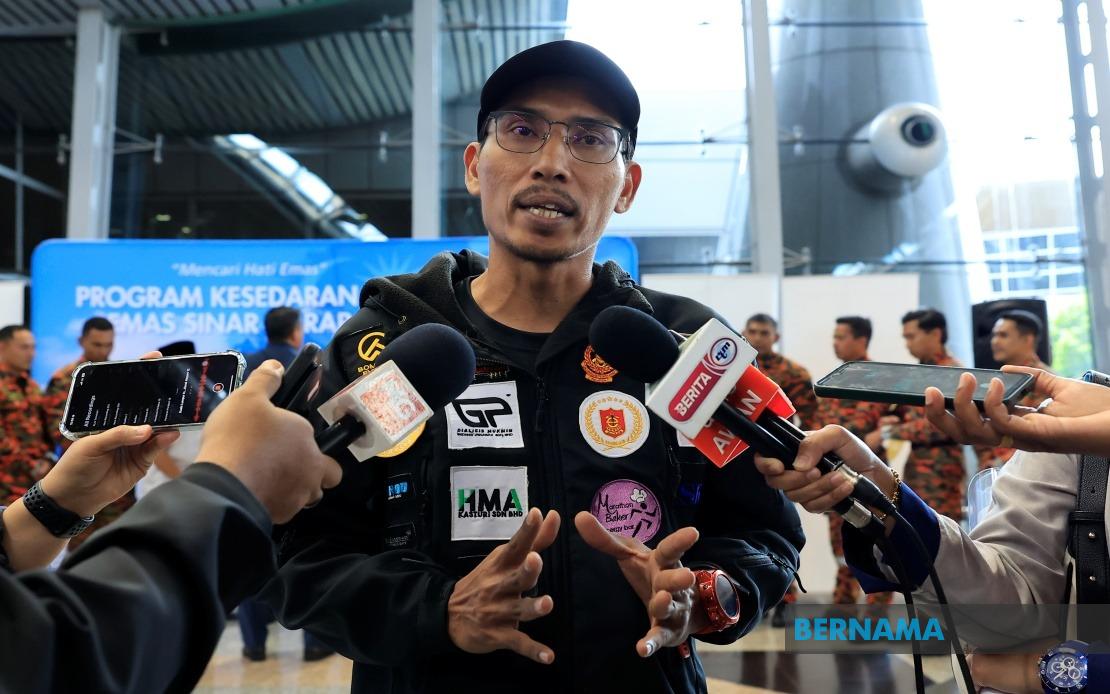
The family of Mohd Fakhrul Munir Mohd Isa, a 44-year-old member of the Malaysian Fire and Rescue Department's specialist unit, has not abandoned hope despite the communication blackout following devastating flash floods and landslides that struck Nepal's Rasuwa district. The experienced firefighter, known professionally as Loe, was part of a 10-member Malaysian expedition heading toward Everest Base Camp when disaster struck the region, leaving two JBPM officers unaccounted for among the missing nationals.
Mohd Saiful Munir Mohd Isa, the missing officer's brother, conveyed his family's determination to remain optimistic during an emotional interview, emphasising that they believe the inability to make contact stems directly from the catastrophic conditions that have engulfed the affected area. The family has maintained consistent communication with authorities and continues to rely on official updates regarding search and rescue operations. Saiful Munir, who works as an operations officer at the Port Klang Fire and Rescue Station, expressed that the household's faith remains strong despite the harrowing circumstances.
In conversation with journalists, Saiful Munir acknowledged the difficult reality that rescue teams must navigate. He recognised that while hope remains their guiding principle, the family is also mentally preparing itself for potentially devastating outcomes. This measured approach reflects both the gravity of the situation and the family's understanding of the extraordinary dangers posed by the mountainous terrain and weather conditions in Nepal during this season. The brother's statement represented a delicate balance between maintaining psychological resilience and confronting the serious possibilities inherent in such a crisis.
The missing firefighter's passion for mountaineering and outdoor pursuits was a defining characteristic that shaped his life trajectory. According to Saiful Munir, his brother's connection to Nepal extended far beyond a single expedition, with Loe visiting the country three to five times annually for climbing expeditions. This frequency of travel had normalised the risks associated with high-altitude mountaineering within the family's perspective, even as they grappled with the current emergency. Beyond climbing, Mohd Fakhrul Munir maintained an active lifestyle as a dedicated cyclist, combining athletic pursuits across multiple disciplines.
The timing of this mission bore particular significance within the broader context of Malaysian outdoor expedition culture. The Everest Base Camp route represents one of Southeast Asia's most ambitious trekking objectives, attracting numerous Malaysian adventurers annually. The presence of organised groups from Malaysia undertaking such expeditions has become increasingly common, reflecting growing interest in high-altitude mountaineering among professionals and civilians alike. However, this incident starkly illustrates the unpredictable hazards that even experienced mountaineers and trained rescue personnel face when navigating the Himalayas.
Saiful Munir last communicated with his brother approximately one week prior to Loe's departure for Nepal, providing only limited context about the expedition's scope and timeline. Based on the group's planned itinerary, Saiful Munir deduced that the Malaysian contingent would have been positioned in the valley vicinity when the catastrophic weather event occurred. This geographic assessment suggested that the missing individuals faced extraordinary challenges in attempting to descend or seek shelter in treacherous conditions. The brother's analytical approach to understanding his sibling's circumstances reflected both his intimate family knowledge and his professional experience within emergency response infrastructure.
The Malaysian Fire and Rescue Department's director-general, Datuk Seri Nor Hisham Mohammad, publicly identified the two missing JBPM personnel to media outlets on the preceding day. In addition to Mohd Fakhrul Munir Mohd Isa, the second unaccounted officer was Mohd Sani Harul, who holds the position of deputy director within the Planning and Research Division. This dual loss represented a significant concern for the department, combining both specialist climbing expertise and administrative leadership capacity. The revelation that multiple trained emergency personnel were among the missing underscored the incident's severity and the unpredictable nature of mountain disasters that can overwhelm even highly skilled individuals.
The 10-member Malaysian group's composition and objectives provided important context for understanding their vulnerability to the disaster. Expeditions targeting Everest Base Camp typically involve careful route planning and coordination with local guides and porters. Nevertheless, mountain weather systems can change with devastating rapidity, and flash flooding in valley regions presents particular hazards for trekking parties positioned on established routes. The fact that a group containing professional rescue personnel was caught within the disaster zone demonstrated that expertise and preparedness offer incomplete protection against extreme natural phenomena.
For Malaysia's mountaineering and rescue communities, this incident carries profound implications. The country maintains a robust culture of outdoor adventure and expedition participation, with both civilians and military or emergency personnel regularly undertaking challenging climbs across the region and globally. This tragedy prompts reflection on the inherent risks these pursuits entail and the importance of comprehensive emergency response coordination across international borders. Nepal's mountaineering infrastructure, while well-established, operates within a context of limited resources and challenging geography that can hinder rapid rescue mobilisation.
Saiful Munir's public statements reflected careful consideration of media relations and official protocols, emphasising that the family would continue sourcing information exclusively through authoritative government channels rather than speculation. This disciplined approach acknowledged the sensitive nature of ongoing search operations and the importance of maintaining official coordination. The family's composure under extraordinary stress demonstrated the resilience characteristic of many Malaysian households confronting such crises, though the emotional toll of uncertainty remained evident beneath the measured demeanour.
The international dimension of this incident highlighted Southeast Asia's increasing engagement with global mountaineering activities. Malaysia maintains diplomatic relations with Nepal and participates in regional cooperation frameworks that facilitate mutual assistance during disasters. The coordinated response involving Malaysian authorities, Nepali rescue services, and international mountaineering communities represented collaborative efforts to locate and assist the missing personnel. This multinational response structure underscored both the complexity of modern expeditionary disasters and the growing integration of rescue capabilities across borders.
As search operations continued in challenging terrain, the family's steadfast hope served as a testament to their unwavering support for Mohd Fakhrul Munir. Whether conceived as an expression of faith, psychological necessity, or genuine belief in his survival prospects, this determination reflected the profound bonds connecting families across geographical distances. The broader Malaysian public watched developments closely, recognising in this unfolding crisis a mirror of risks that all adventurers and outdoor enthusiasts potentially face when pursuing passion in unforgiving natural environments.

