The investigation into a catastrophic traffic collision in Kuala Lumpur's city centre that claimed three lives will be handed to the Attorney General's Chambers tomorrow for prosecutors to determine what charges should be filed. The deadly incident, which unfolded in the early hours of the morning on Jalan Sultan Ismail, has drawn scrutiny on road safety protocols for government emergency vehicles and the circumstances that led to the collision between an Immigration Department vehicle and civilian motorists.
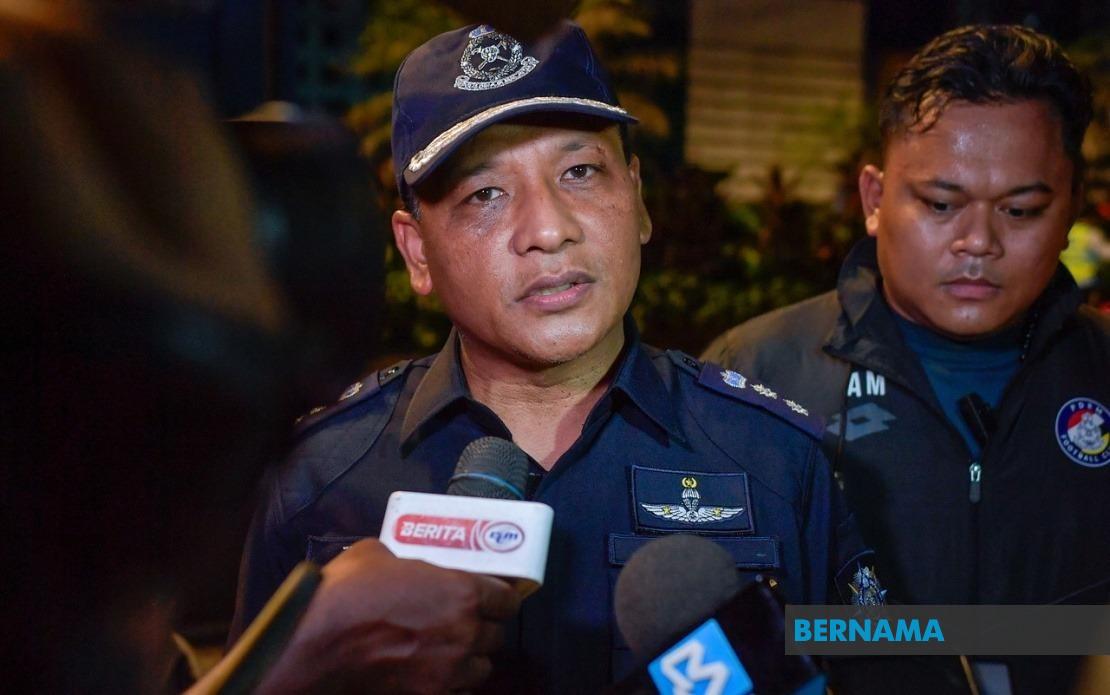
Kuala Lumpur's Traffic Investigation and Enforcement Department announced the referral following consultations with the Kuala Lumpur Prosecution Director. The decision to escalate the matter to the Attorney General's Chambers signals the gravity of the case and the complexity of determining criminal liability. According to ACP Mohd Zamzuri Mohd Isa, the chief of the traffic enforcement unit, the investigation paper will be reviewed by the head of the General Crime and Public Order Division, with both the prosecution director and investigating officer presenting their findings for judicial consideration of potential charges.
The collision occurred when a Kuala Lumpur Immigration Department "Black Maria" vehicle—a detention truck used for immigration enforcement operations—was travelling towards Chow Kit at approximately 1 am to conduct operations against undocumented migrants. The truck entered a junction with its beacon and siren activated despite the traffic signal displaying red, according to witness accounts and preliminary investigations. At that precise moment, a Proton Saga sedan travelling lawfully through the same intersection on a green light collided with the larger vehicle. The impact was severe enough to cause the truck to lose control, careen off the roadway, and strike multiple people and vehicles in its path, including an Inokom Matrix.
Three pedestrians from a single family died in the tragedy. The victims were identified as Shaik Mohd Firdaus Shaikh Yahya, 53, and his two daughters, Siti Nor Sazlin, 25, and Siti Darwisyah Auni, 12. A fourth family member, Norhayati Razali, 55, sustained serious injuries and was being treated in the Intensive Care Unit at Kuala Lumpur Hospital at the time of reporting. The sudden loss of an entire family in what many view as an avoidable accident has resonated deeply with the public and raised difficult questions about accountability within government agencies.
Police have invoked the Road Transport Act 1987, Section 41(1), as the legal basis for their investigation. This provision addresses offences related to dangerous or reckless driving. Both the driver of the Immigration Department truck and the operator of the Proton Saga have been remanded in custody for one day as authorities conduct their inquiries. The detention of both drivers reflects the complexity of establishing fault in a multi-vehicle collision where one party was a government agency operating under perceived emergency protocols.
The incident highlights a persistent tension between operational urgency in government enforcement work and compliance with road traffic regulations designed to protect the public. Emergency services and official vehicles often operate under the assumption that their missions justify exemptions from standard traffic controls, yet this collision demonstrates the potentially fatal consequences when such assumptions prove misplaced. The fact that the Immigration Department truck was empty—it had not yet collected detainees—raises additional questions about whether the circumstances genuinely warranted such operational latitude.
For Malaysian road safety advocates and civil society observers, the case underscores the need for clearer guidelines governing when government vehicles may proceed through red lights and how agencies balance enforcement objectives against public safety. The intersection on Jalan Sultan Ismail is a busy commercial thoroughfare in central Kuala Lumpur where pedestrian and vehicular traffic remains constant throughout the day and night. That three people were struck down in this location points to the unpredictability and chaos unleashed when a large vehicle loses directional control in an urban setting.
The referral to the Attorney General's Chambers represents a critical juncture in the legal process. Prosecutors must weigh evidence, determine negligence or recklessness, and decide whether criminal charges are warranted and against whom. They must also consider whether the government agency itself bears institutional responsibility, or whether liability rests solely with the individual driver or both parties. Such determinations carry profound implications not only for the families affected but also for how government agencies approach operational protocols in future.
Since the tragedy occurred, Kuala Lumpur's traffic authorities have faced mounting public pressure to explain how such an incident was permitted to happen and what safeguards exist to prevent recurrence. The Attorney General's review will likely examine training records, vehicle maintenance logs, driver qualifications, and departmental policies governing the use of sirens and emergency beacons. These institutional factors may prove as significant to prosecutors as the split-second decisions made by drivers during the collision itself.
For Malaysian and Southeast Asian observers, this case serves as a cautionary tale about the risks inherent in granting government vehicles broad latitude on public roads. While enforcement agencies require operational flexibility, the cost of excessive latitude—measured in lives lost—demands rigorous accountability and transparent decision-making by prosecutors and courts. The coming weeks will reveal whether Malaysia's justice system can balance institutional interests with public safety imperatives.

