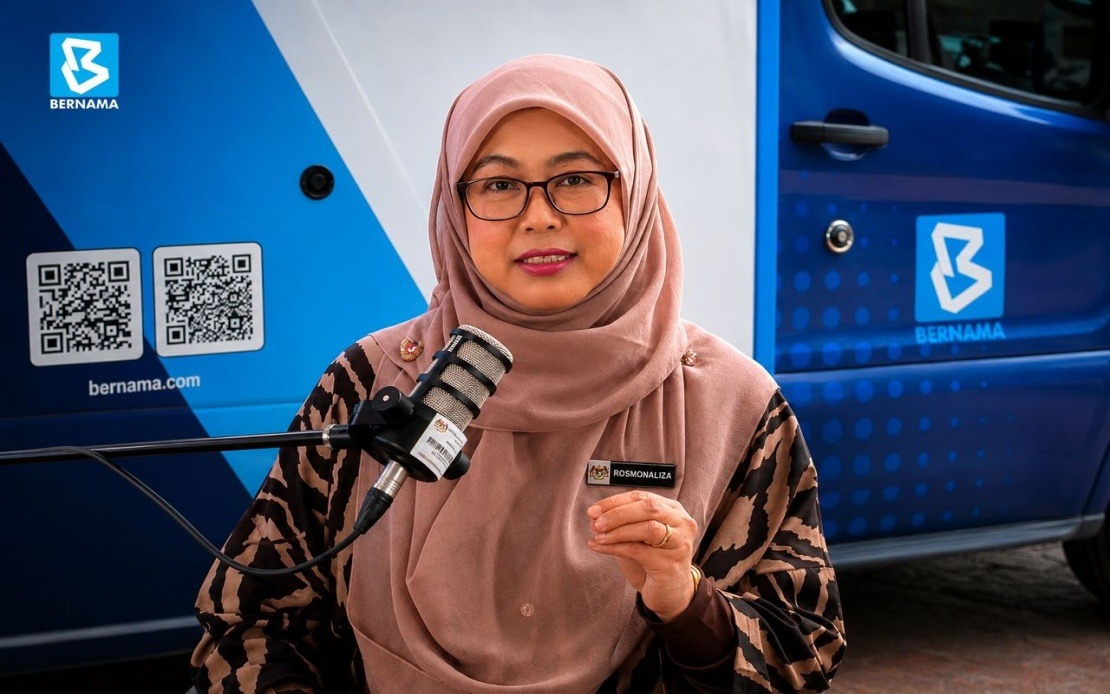
The modern family structure in Malaysia demands a fundamental shift in how fathers approach their responsibilities, moving beyond the traditional model of economic provision to embrace a more holistic involvement in their children's lives. According to Rosmonaliza Abdul Ghani, director of the Family Well-being Division at the National Population and Family Development Board (LPPKN), contemporary lifestyle changes have created a pressing need for fathers to engage more meaningfully in communication, emotional nurturing, and educational support for their offspring.
The transformation of paternal roles reflects broader societal changes that challenge established gender expectations within Malaysian households. Where fathers were historically valued primarily for their capacity to provide financial stability, they are increasingly recognised as instrumental architects in constructing emotionally resilient and harmonious family units. This expanded definition of fatherhood acknowledges that children require emotional attunement and psychological presence from their male parent figures—qualities that prove equally vital to material security.
Rosmonaliza emphasised that maintaining open and authentic communication channels between fathers and their families represents a cornerstone of contemporary parenting effectiveness. Without such dialogue, fathers risk becoming peripheral figures in their children's developmental journeys, inadvertently ceding influence over formative years to other influences. The ability to articulate thoughts and feelings, respond to children's emotional needs, and engage in meaningful conversation establishes the relational foundation necessary for children to internalise healthy behavioural patterns and develop secure attachment bonds.
The institutional landscape supporting paternal involvement has expanded considerably in recent years. LPPKN now operates comprehensive programmes encompassing counselling, therapeutic interventions, and personality evaluations designed specifically to assist fathers navigating financial strain, psychological distress, and other existential pressures. These services create a dedicated framework acknowledging that fathers themselves require emotional support and professional guidance to fulfil their evolving roles effectively.
Notably, male participation in counselling services and family therapy sessions has increased markedly, signalling a cultural shift toward greater openness regarding mental health and psychological wellbeing among Malaysian men. This trend suggests that barriers to help-seeking behaviour are gradually diminishing, though considerable cultural resistance likely persists in more conservative communities. The willingness to seek professional assistance represents a crucial precondition for addressing intergenerational cycles of family dysfunction.
Field research among disadvantaged communities reveals stark correlations between paternal absence and social pathology. The prevalence of drug abuse among household heads, coupled with extreme poverty, frequently precipitates the collapse of family institutions and subsequent emergence of diverse social problems including juvenile delinquency and street homelessness. These interconnected phenomena underscore how deficient paternal engagement extends consequences far beyond individual family units, generating cascading effects throughout society.
Approaches to engaging struggling fathers must prioritise compassion and wisdom over punitive frameworks that risk deepening shame and resistance. Interventions grounded in religious principles and communal family values prove particularly effective in Malaysia's culturally diverse context, offering pathways through which men can reconnect with their identity as responsible household leaders. Confrontational tactics frequently backfire with individuals possessing strong ego investment, potentially triggering further withdrawal and defensive behaviours.
The reciprocal support system within families proves essential to sustaining paternal wellbeing under contemporary pressures. Spouses and children possess considerable capacity to alleviate the emotional burden fathers experience through acknowledgment of their sacrifices, expressions of appreciation, and demonstration of genuine interest in their inner lives. When family members remain emotionally attentive and communicative, they provide crucial buffers against the psychological strain of work pressures, financial anxieties, and societal expectations.
Quality time emerges as a particularly significant commodity in the father-child relationship, with evidence suggesting that parental presence itself holds greater psychological value for children than material possessions or financial provision alone. Many children fail to comprehend the extent of their fathers' sacrifices until reaching adulthood, by which point opportunities for meaningful connection may have diminished substantially. Deliberate investment in shared experiences and uninterrupted interaction during childhood establishes memories and relational patterns that shape personality development and attachment security throughout life.
For Malaysian society confronting rising mental health challenges, family fragmentation, and social behavioural concerns, the elevation of paternal engagement represents a potentially transformative intervention. Creating cultural permission structures, institutional support mechanisms, and peer-affirming environments for involved fatherhood could yield substantial benefits extending across multiple generations. LPPKN's proactive stance recognises that strengthening family institutions requires deliberate effort to reshape masculine identity in contemporary Malaysia, moving beyond outdated breadwinner models toward more emotionally integrated and psychologically present versions of fatherhood that serve children's holistic development.