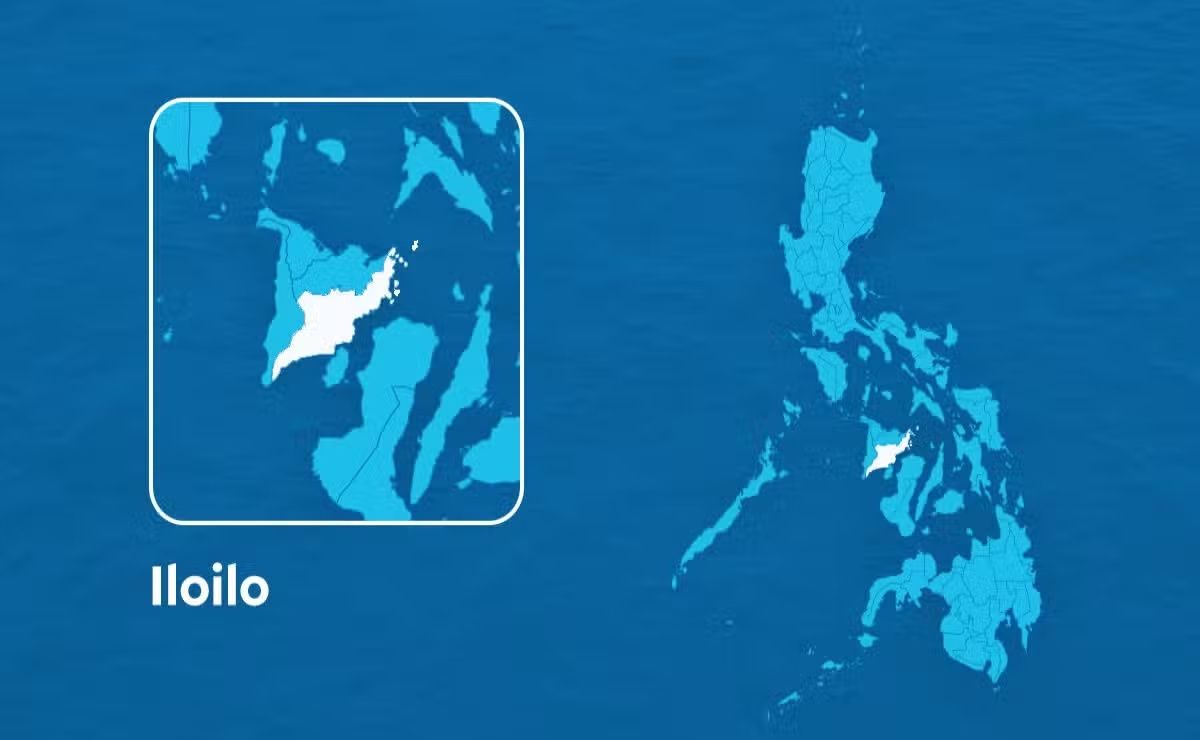
An Iloilo-based businessman who was recently designated as one of the FBI's Most Wanted Fraudsters has been confirmed to be residing in the Philippines, his family disclosed this week. Rey Grabato II, who faces multiple federal charges including securities fraud and wire fraud, remains in Iloilo according to his father Rey Grabato, the town's mayor, though the family has declined to release further details about his whereabouts or circumstances. The announcement has drawn significant public attention in the region, particularly given the prominence of the Grabato family in local affairs and the serious nature of the allegations against the younger Grabato.
The FBI formally added Rey Grabato II to its Most Wanted Fraudsters list on August 13, identifying him as a subject of investigation for conspiracy to commit securities fraud, securities fraud, conspiracy to commit wire fraud, wire fraud, and conspiracy to defraud the United States with respect to tax matters. These charges represent a comprehensive range of financial crimes that typically emerge from complex schemes involving multiple parties and substantial sums of money. The timing of the FBI's announcement and the family's subsequent confirmation of his presence in the Philippines raises complex questions about extradition procedures and the operational challenges facing United States law enforcement agencies when pursuing suspects in Southeast Asian jurisdictions.
In a bid to shape public perception and establish their family's position on the matter, Christopher Rey Grabato, Rey II's youngest brother, released a comprehensive statement on Friday evening addressing the legal situation while emphasizing their family's immediate priorities. The statement articulated that neither Rey Grabato II nor any authorized representatives have received formal notice or official summons from Philippine or United States authorities up to that point, suggesting that formal legal processes have not yet been initiated through standard diplomatic and judicial channels. This procedural observation carries significant weight in understanding the current phase of the case, as it indicates that the formal mechanisms of international law enforcement coordination may still be in preliminary stages.
A central element of the family's public response focuses on Rey Grabato II's medical condition, which they argue has rendered him unable to address the allegations currently. According to Christopher Rey's statement, his older brother has recently suffered a severe stroke that has resulted in partial paralysis, significantly compromised mobility, and substantial limitations in both communication and cognitive functioning. The family emphasized that Rey II remains under continuous medical supervision and that their immediate concern involves facilitating his recovery, rehabilitation, and overall well-being. This medical component of the narrative presents a complicating factor in how the case may proceed, both legally and practically, should authorities attempt to pursue formal extradition or detention procedures.
The family's defense strategy appears to center on distinguishing Rey Grabato II's formal role within the organization at the center of the investigation from his actual operational responsibilities. The disputed entity is the National Realty Investment Advisors, or NRIA, which stands at the core of the current federal investigation and the charges brought against the businessman. Christopher Rey Grabato drew upon analysis published by Barron's, the prominent financial publication owned by Dow Jones & Company, which reportedly cited federal prosecutors characterizing his brother's leadership position at NRIA as essentially "titular" in nature, suggesting formal title without substantial decision-making authority.
The family's narrative positioning Rey Grabato II as a figurehead rather than the principal architect of any fraudulent schemes represents a deliberate attempt to deflect responsibility toward other organizational figures. In particular, they identified Thomas Nicholas Salzano as the individual who allegedly exercised genuine control over NRIA's governance and operational decisions. According to the family's account, Salzano has already been apprehended by federal authorities, potentially validating their contention that he served as the primary figure orchestrating whatever misconduct occurred within the organization. This positioning strategy mirrors common defense tactics in complex financial fraud cases where multiple defendants face charges, with some attempting to minimize their culpability by emphasizing their subordinate roles.
The situation presents considerable complexity within the broader context of United States-Philippines law enforcement cooperation. The Philippines, as a sovereign nation, maintains its own legal processes and constitutional protections for residents and citizens, meaning that any action against Rey Grabato II would require careful coordination between federal authorities and Philippine counterparts. The family's assertion that no formal notice has been received suggests that such coordination has not yet reached the stage of official requests or legal proceedings. This administrative reality often means substantial delays between when an individual is publicly designated as wanted and when active apprehension efforts formally commence.
For Malaysian observers and readers across Southeast Asia, this case illustrates the intricate challenges facing regional governments when dealing with financial crimes that cross international borders and involve complex schemes. The proliferation of securities fraud and investment schemes targeting victims across multiple jurisdictions has become an increasingly pressing concern for law enforcement agencies throughout the region. Cases such as this demonstrate both the capacity and limitations of international cooperation mechanisms, particularly when medical, legal, and diplomatic complications arise simultaneously.
The family's appeal for public restraint and understanding reflects broader concerns about reputational damage and social stigma that often accompany criminal charges, particularly in close-knit communities like Iloilo where the Grabato family maintains significant standing. Their public communications strategy attempts to balance acknowledging the seriousness of federal allegations against the United States while simultaneously humanizing their family member through reference to his health crisis. Whether such appeals will influence the trajectory of legal proceedings or public opinion remains uncertain, particularly given the gravity of the charges and the federal government's apparent commitment to pursuing the investigation.
Looking forward, the case will likely depend substantially on developments in Rey Grabato II's medical condition, the progress of Philippine-United States diplomatic coordination, and any additional revelations regarding the operational structure and decision-making processes within NRIA. The investigation into Thomas Nicholas Salzano and his role will probably provide considerable context for understanding the allegations against Rey Grabato II. For Southeast Asian jurisdictions concerned about financial crime and investment fraud, this case serves as a cautionary reminder of how international schemes can implicate prominent local figures and create complex situations requiring careful navigation of diplomatic, legal, and humanitarian considerations simultaneously.

