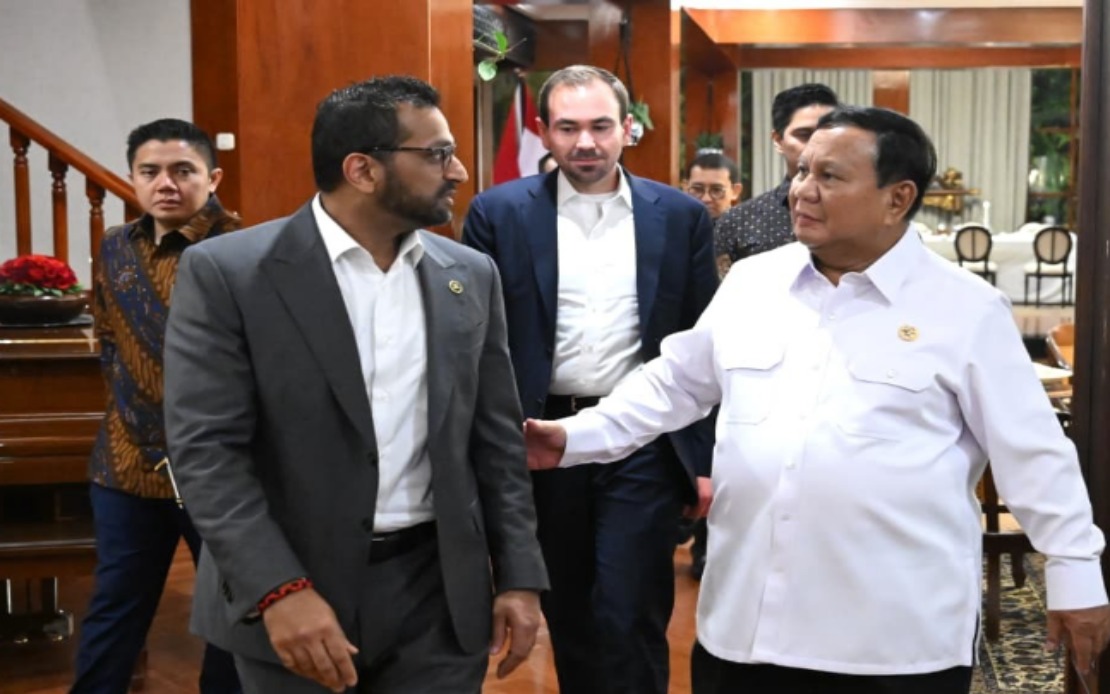
President Prabowo Subianto has received a significant collection of Indonesian cultural artefacts from the United States Federal Bureau of Investigation, marking another milestone in ongoing efforts to recover stolen national heritage. FBI Director Kash Patel personally delivered the objects during a formal meeting at Kertanegara in Jakarta this week, underscoring Washington's commitment to assisting Indonesia in retrieving items that left the country through illegal channels. The handover represents the tangible result of investigative work and diplomatic engagement between the two nations' authorities.
Indonesia's Culture Minister Fadli Zon characterised the repatriation as evidence of a maturing relationship with American law enforcement agencies focused on cultural patrimony. He outlined plans to leverage this momentum by establishing even more systematic cooperation frameworks with the FBI, working alongside the State Secretariat and Ministry of Foreign Affairs to streamline future recoveries. The minister's emphasis on institutional strengthening suggests Jakarta is moving beyond ad-hoc repatriations towards a more structured long-term strategy for reclaiming dispersed heritage.
The artefacts recovered in this shipment originate primarily from Papua, drawing from the rich cultural traditions of the Dani and Asmat peoples as well as communities surrounding Lake Sentani. These groups possess distinctive artistic and spiritual traditions that have historically attracted collectors and antiquities smugglers seeking ethnographic material for Western markets. The objects carry considerable historical weight for understanding Papua's indigenous societies and their contributions to Indonesia's diverse cultural mosaic. Fadli stressed that the items hold irreplaceable value for national identity and collective memory.
ProvenanceResearch—the investigative work establishing an object's ownership history and legitimacy—proved critical in identifying these artefacts as illegally trafficked goods. Specialists with the FBI worked to document how the items had been removed from Indonesia without proper authorisation and subsequently entered the American antiquities market through clandestine channels. This painstaking scholarly and investigative process underscores how modern cultural repatriation depends on rigorous documentation rather than sentiment alone. The successful provenance work in this case demonstrates growing sophistication in tracing stolen cultural goods across international borders.
The FBI has developed a track record of assisting Indonesia beyond these latest returns. Previously, the agency helped recover bronze statues and other significant items from archaeological and cultural sites that had vanished into private collections or museum storage facilities abroad. These cumulative successes suggest that American law enforcement increasingly recognises cultural property crime as a serious matter warranting dedicated resources and expertise. For Southeast Asian nations like Indonesia, which face persistent challenges in recovering heritage dispersed during colonial periods and through modern smuggling networks, such American engagement represents crucial institutional support.
Indonesia's determination to restore what officials term "cultural sovereignty" reflects broader regional and global movements demanding that former colonised nations regain control over their heritage. Unlike repatriations driven purely by legal obligation, Jakarta frames this recovery effort as integral to national self-determination and the right of indigenous and local communities to control their own cultural narratives. This framing resonates with similar campaigns across Southeast Asia, where Vietnam, Cambodia, Thailand, and other nations have pursued American, European, and Australian institutions to return stolen artefacts. The diplomatic language used by Fadli positions Indonesia within this wider movement.
The decision to display recovered artefacts at Indonesia's National Museum represents a deliberate choice to make heritage accessible to domestic audiences rather than restricting it to elite or academic circles. By bringing these objects back into public view, particularly items representing Papuan communities, Jakarta signals recognition of indigenous heritage as central to national culture rather than peripheral or exotic. This curatorial approach differs markedly from Western museum practices that often segregate non-Western materials into anthropology departments. The public display strategy carries pedagogical implications, educating Indonesian citizens about their own cultural diversity while asserting sovereignty over narrative interpretation.
For Malaysia and other Southeast Asian nations, Indonesia's success in building FBI cooperation offers both inspiration and practical lessons. Malaysia faces similar challenges in recovering antiquities and cultural objects dispersed to Western collectors and institutions, from Islamic manuscripts and sultanate regalia to indigenous Borneo artefacts. The institutional framework that Indonesia has developed with American law enforcement—involving provenance research, diplomatic channels, and sustained engagement—provides a potential model for Malaysian authorities to replicate. Enhanced regional coordination on heritage recovery could multiply the effectiveness of individual national efforts.
The broader implications extend to how Western institutions and law enforcement agencies increasingly acknowledge responsibility for cultural patrimony held within their jurisdictions. The FBI's proactive role contrasts with the resistance many Western museums have historically displayed towards repatriation requests. This shift suggests changing attitudes among American officials who recognise that returning stolen heritage aligns with principles of justice and international cooperation. However, such progress remains uneven, and many Western institutions continue resisting calls for repatriation, highlighting the ongoing struggle faced by Southeast Asian nations seeking comprehensive recovery of their dispersed heritage.
Looking forward, Indonesia's commitment to deepening FBI cooperation suggests a multi-year recovery initiative rather than isolated transactions. Minister Fadli's emphasis on expanding institutional frameworks indicates planning for systematic identification and recovery of additional objects currently housed in American collections. Success will depend on sustained diplomatic pressure, adequate funding for provenance research, and willingness from American institutions to cooperate transparently in documenting holdings with questionable acquisition histories. The challenge of reconstructing ownership trails for items acquired decades ago remains formidable, requiring archival research across multiple countries and institutions.
The broader strategic dimension of these repatriations should not be overlooked. Cultural diplomacy increasingly features prominently in international relations, and successful heritage recovery enhances a nation's soft power and diplomatic standing. Indonesia's visible success in working with the FBI generates positive publicity and demonstrates effective governance in protecting national interests. For Southeast Asian nations collectively, strengthening partnerships with American and other Western law enforcement agencies on cultural patrimony represents a sophisticated approach to asserting sovereignty and rectifying historical injustices without confrontational rhetoric. These quiet victories in recovering stolen heritage gradually reshape the international cultural landscape in ways that benefit the region's nations.

