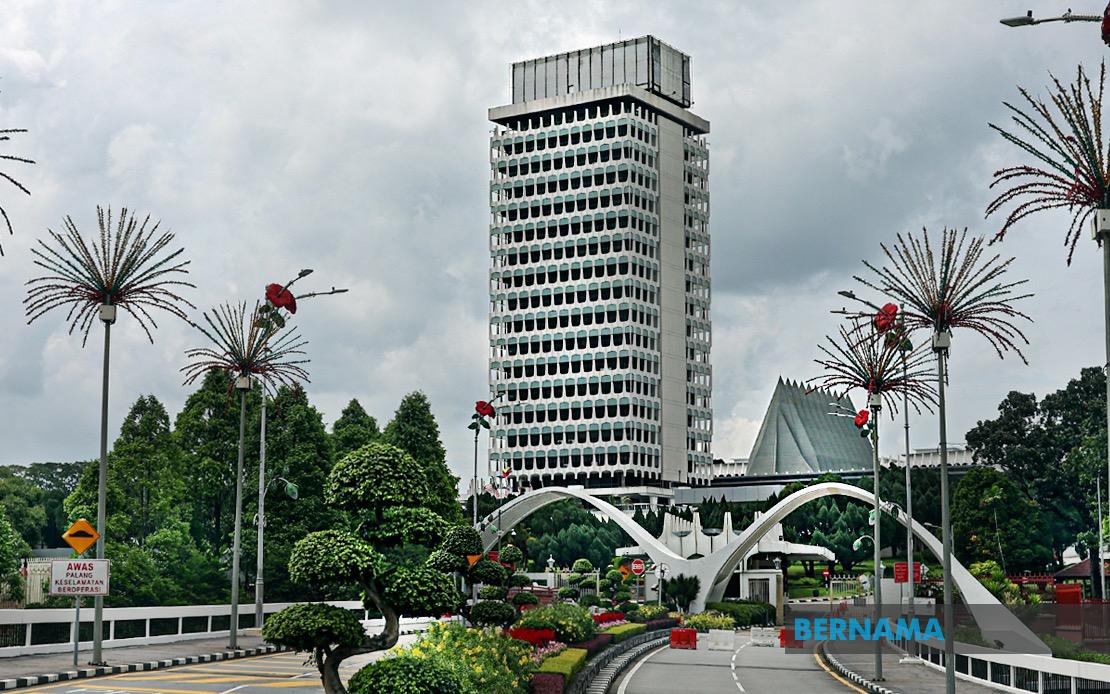
Prime Minister Datuk Seri Anwar Ibrahim's defence of the Federal Government's resource distribution formula emerged as a key focal point during the second week of the Dewan Rakyat's current sitting, which runs through July 16. During Ministers' Question Time on Tuesday, Anwar pushed back against suggestions that certain states were being disadvantaged or excluded from federal support, emphasising that the government's approach prioritises development requirements and population welfare over a purely revenue-based model.
The Prime Minister's clarification carries particular significance for Malaysia's federalist structure, where tensions between federal and state governments frequently centre on budget allocation and resource equity. By articulating that nearly all states receive allocations exceeding their tax contributions to federal coffers, Anwar addressed a persistent concern among state administrations, particularly those in less developed regions or with smaller tax bases. This distribution philosophy reflects a deliberate policy choice to narrow regional disparities and ensure that infrastructure, social services, and development projects reach beyond prosperous urban centres.
In a related procedural matter, Anwar outlined the mechanism governing additional funding requests from state authorities. When states seek supplementary resources for development initiatives requiring a Notice of Change, such modifications demand fresh negotiations before the Federal Government commits to either expanded allocations or additional lending arrangements. This framework attempts to balance fiscal flexibility with budgetary discipline, ensuring that ad-hoc funding requests undergo proper evaluation rather than automatic approval.
Another significant policy reminder came when Anwar underscored the constitutional constraints on government announcements during election periods. He stressed that the announcement of new projects or policies during campaign seasons violates Section 24B of the Election Offences Act 1954. This clarification matters for Malaysian stakeholders as general elections approach, setting explicit boundaries around what constitutes permissible government communication and distinguishing between routine administration and electioneering.
Parliament's legislative agenda during the week proved substantive, with lawmakers approving three major bills addressing contemporary challenges. The Sexual Offences Against Children (Amendment) Bill 2026 strengthens legal protections for young Malaysians, reflecting heightened focus on safeguarding vulnerable populations. Simultaneously, amendments to the Employment Insurance System (Amendment) Bill 2025 modernise workplace safety provisions, while the Cybercrime Bill 2026 introduces criminal offences and penalties specifically targeting digital forgery and the distribution of manipulated intimate images through advanced computer systems. These three measures collectively address interconnected vulnerabilities across child safety, labour protection, and digital security.
The Cybercrime Bill's provisions on deepfake technology and non-consensual intimate imagery carry particular relevance for Malaysia's growing digital economy and social media engagement. As a nation with high internet penetration and active social media participation, Malaysia faces mounting challenges from synthetic media and image-based abuse. The legislation represents a targeted response to technological manipulation techniques that outpaced existing legal frameworks, establishing clear penalties to deter malicious actors and protect individuals from digital harm.
Minister in the Prime Minister's Department (Law and Institutional Reform) Datuk Seri Azalina Othman Said announced government progress on contract law modernisation, revealing that the final report on the Study of Contract Law Reform in Malaysia has been completed and circulated to Members of Parliament. The proposed new contract framework aims to recognise third-party rights and restructure regulations governing commercial agencies, incorporating considerations around artificial intelligence deployment. This initiative positions Malaysia to adapt its commercial legal infrastructure to contemporary business practices, particularly as AI integration reshapes agency relationships and commercial obligations across sectors.
Beyond legislative matters, the government reiterated its commitment to managing essential goods availability and price stability, a persistent concern for Malaysian households navigating inflationary pressures. Economy Minister Akmal Nasrullah Mohd Nasir disclosed that the government conducts daily monitoring of supply and pricing for essential commodities while coordinating with Petroliam Nasional Berhad and industry participants to safeguard energy supply stability. This multi-stakeholder approach recognises that price inflation stems from complex supply-chain dynamics requiring both public sector oversight and private sector cooperation to protect consumer welfare and industrial competitiveness.
Education remained a policy focus with Deputy Education Minister Wong Kah Woh detailing the MADANI Book Voucher programme 2026, which distributes RM221.6 million across over 2.2 million students. Beginning redemption last week, the RM100 e-vouchers programme extends through October 31, providing educational support during a critical academic period. This initiative demonstrates targeted investment in learning access, particularly relevant for families managing household budgets during economic uncertainty.
Digital regulation and platform governance attracted considerable parliamentary attention as Communications Minister Datuk Fahmi Fadzil outlined progress on the Online Safety Act 2025's implementation. The government is finalising the regulatory framework while developing supplementary instruments addressing private messaging features, clarifying how digital platforms must respond to harmful content. Critically, Fahmi noted that the Malaysian Communications and Multimedia Commission is evaluating agentic AI technology to enhance complaint management efficiency, suggesting that regulators themselves are adopting advanced technologies to keep pace with the evolving digital landscape. Concurrently, social media platforms receive encouragement to leverage AI capabilities for detecting and removing content violating community standards, reflecting recognition that technological solutions must address technological challenges.
These overlapping initiatives—spanning federal budgeting, criminal justice, employment protection, contract modernisation, price control, educational equity, and digital governance—illustrate the breadth of policy attention dominating parliament's mid-session period. The cluster of digital regulation matters particularly reflects Malaysia's recognition that rapid technological change requires adaptive legal and regulatory responses. As Southeast Asia's development trajectory increasingly depends on digital economy maturity and technological governance credibility, these parliamentary deliberations position Malaysia within broader regional conversations about balancing innovation with protection, particularly around child safety and content integrity. The parliament's work during this second week thus addresses both immediate governance challenges and longer-term structural adjustments that will shape Malaysia's institutional capacity for the coming decade.

