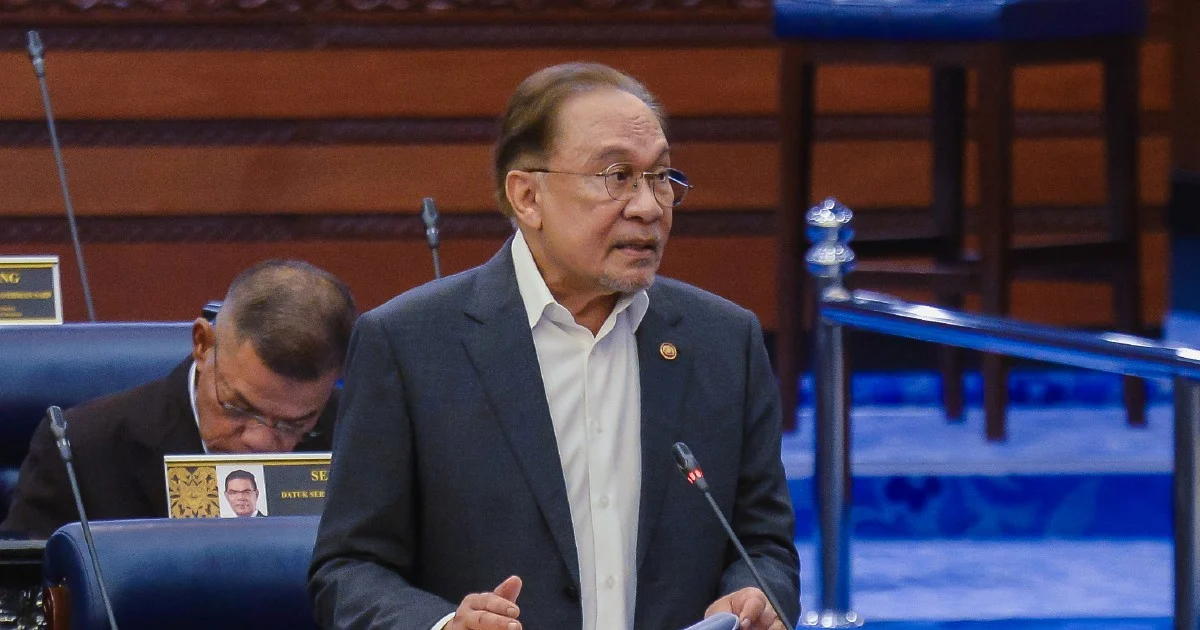
Prime Minister Datuk Seri Anwar Ibrahim has disclosed that Putrajaya is currently engaged in substantive discussions with Sarawak aimed at enhancing the state's special grant allocation under the Malaysia Agreement 1963, signalling a willingness from the federal administration to revisit a longstanding aspect of Malaysia's constitutional arrangement with the East Malaysian state.
The MA63 represents one of the cornerstone constitutional agreements that established the federation of Malaysia, incorporating Sarawak alongside Sabah into the union in 1963. The special grant provisions embedded within this agreement have historically been a sensitive matter in centre-state relations, with Sarawak periodically advocating for adjustments that better reflect contemporary economic realities and development needs. Anwar's confirmation of active negotiations suggests the federal government recognises the legitimacy of Sarawak's position and the importance of addressing long-standing grievances regarding fiscal arrangements.
For Malaysian observers and policymakers, these discussions carry profound implications for the nation's political and economic architecture. Sarawak possesses substantial constitutional autonomy and significant revenue-generating capacity, particularly through its control over petroleum resources and timber concessions, which have traditionally provided the state with considerable leverage in negotiations with Kuala Lumpur. The fact that the federal government is now engaging substantively on this issue reflects both Sarawak's persistent advocacy and the current administration's apparent commitment to addressing regional concerns through dialogue rather than confrontation.
The broader context of these negotiations extends beyond mere financial transactions. Malaysia's journey since independence has been marked by evolving relationships between the federal centre and East Malaysian states, with tensions periodically surfacing over revenue sharing, constitutional interpretation, and resource management. Sarawak has long contended that the original MA63 arrangements have not been adequately adjusted to account for inflation, changing economic circumstances, and the state's growing developmental ambitions. An increase to the special grant would represent official acknowledgement of these concerns and provide additional fiscal resources to support Sarawak's infrastructure and social development objectives.
From a Southeast Asian perspective, these discussions also merit attention as they demonstrate Malaysia's approach to managing internal federal arrangements. The region has experienced various sub-national tensions, and Malaysia's willingness to negotiate and adapt arrangements suggests a pragmatic approach to preserving national cohesion. The outcome of these negotiations could serve as a template for addressing similar centre-state fiscal disputes in other federalised systems across the region.
For Malaysia's investment community and development planners, enhanced fiscal transfers to Sarawak could have economic ramifications. The state has articulated ambitious plans for economic diversification, digital infrastructure development, and industrial expansion. Additional federal grants would strengthen Sarawak's capacity to implement these initiatives, potentially generating spillover benefits for the broader Malaysian economy and strengthening economic integration between peninsular Malaysia and Sarawak.
The timing of these discussions is also noteworthy given Malaysia's evolving political landscape. The inclusive approach signalled by the current administration towards addressing Sarawak's fiscal concerns may be partly strategic, but it also reflects a maturing recognition that durable national unity requires continuous adjustment and accommodation of legitimate state interests. This contrasts with periods of greater centralisation and reflects lessons learned from previous instances of regional discontent.
However, the negotiations will likely involve complex technical discussions regarding the quantum of any increase, the mechanisms for adjustment, and whether any enhanced grant comes with conditions or expectations regarding state governance and accountability. The federal government will need to balance Sarawak's demands with fiscal constraints and considerations regarding other states, particularly Sabah, which may harbour similar aspirations for enhanced allocations.
The broader implication for Malaysian federalism is significant. These negotiations underscore that the MA63 is a living document subject to reinterpretation and adjustment, rather than a static historical artefact. This approach acknowledges that constitutional arrangements require periodic recalibration to maintain their relevance and legitimacy. For other Malaysian states observing these discussions, the process may establish expectations and precedents regarding their own relationships with the federal centre.
Looking forward, the successful conclusion of these negotiations could serve multiple functions simultaneously: it would demonstrate the federal government's commitment to addressing regional concerns, provide Sarawak with additional resources for development, reinforce national unity through constructive dialogue, and establish a framework for managing future fiscal disputes. Conversely, protracted negotiations or unsatisfactory outcomes could reignite regional frustrations and complicate the federal government's broader agenda for national integration and economic development.

