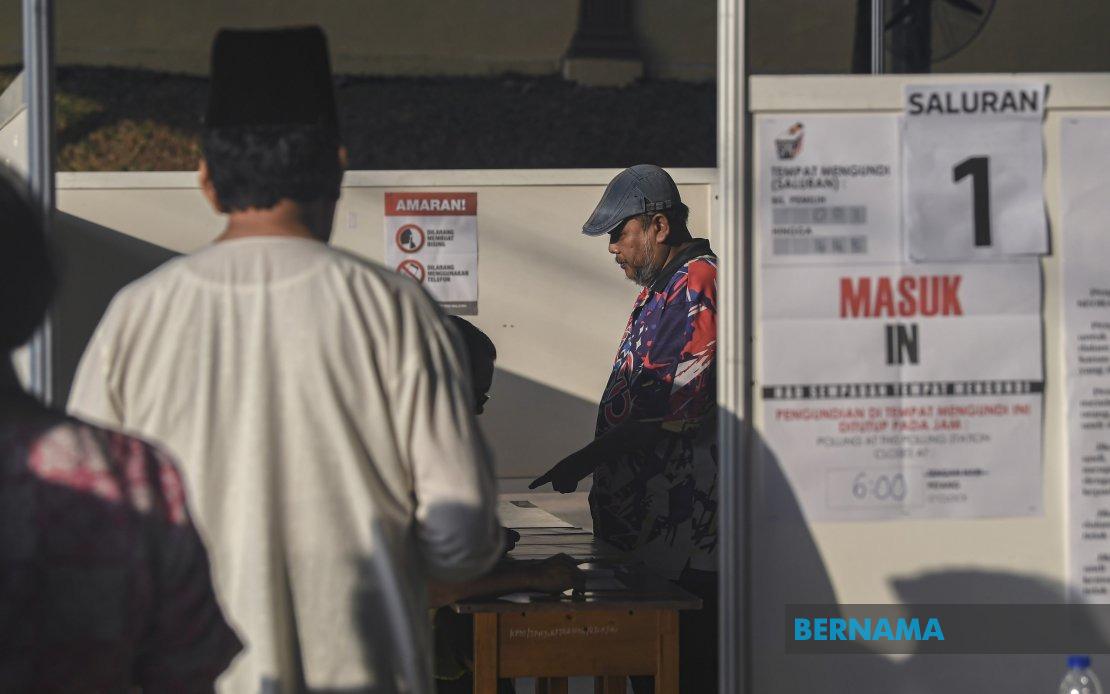
The 16th Johor State Election proceeded on July 11 with prominent members of the federal government casting their votes at various polling stations across the southern state, underscoring the significance of the ballot exercise for the nation's political landscape. The participation of senior ministers and their deputies highlighted the importance of the exercise, which saw voters determining the state's governmental composition for the coming term.
Datuk Seri Azalina Othman Said, who holds the portfolio of Minister in the Prime Minister's Department (Law and Institutional Reform), arrived early at Sekolah Kebangsaan Bandar Penawar in Pengerang to fulfil her civic duty. Her vote at 8.15 am placed her among the first high-ranking officials to participate in the democratic process that morning. The early arrival and participation of such figures often set the tone for public engagement with electoral exercises, signalling the gravity with which the government views the contest.
Defence Minister Datuk Seri Mohamed Khaled Nordin voted at Sekolah Kebangsaan Rinting 1 in Masai at 8.30 am, exercising his franchise as a registered voter in the state. The presence of defence and security-related officials in the voting process demonstrates the broad base of government participation across different ministerial portfolios. Such visibility also reflects the inclusive nature of Malaysian democracy, where even those holding high constitutional positions participate equally as ordinary voters in state and federal elections.
Plantation and Commodities Minister Datuk Seri Dr Noraini Ahmad cast her ballot at Sekolah Menengah Kebangsaan Dato' Onn in Batu Pahat at 8.50 am. Her participation represents the involvement of ministers overseeing economic sectors significant to Malaysia's development agenda. The agricultural and commodity sectors remain pillars of the nation's economy, particularly in states like Johor, making the electoral engagement of those responsible for these portfolios noteworthy.
The voting exercise also saw participation from deputy ministers, including Datuk Seri Dr Ahmad Maslan from the Works Ministry, who cast his ballot at Sekolah Kebangsaan Seri Bahagia in Benut at 8.40 am. Deputy Communications Minister Teo Nie Ching voted at Sekolah Jenis Kebangsaan Cina (SJKC) Kulai Besar, arriving at 9.30 am. The engagement of deputy ministers across various portfolios—infrastructure, communications, and defence—illustrated the comprehensive representation of federal government structures in the electoral process.
The election machinery mobilised across Johor demonstrated the scale of the state-level democratic exercise. A total of 1,076 polling centres operated with 4,889 polling streams, all opening simultaneously at 8 am to accommodate voters throughout the state. This coordinated approach ensured equal access and fair administration of the voting process, enabling citizens across diverse geographic and demographic areas to participate without undue delay or disruption.
With 2.7 million registered voters eligible to cast ballots in Johor, the state election represented a significant democratic engagement. The scale of participation required extensive logistical coordination, from training poll workers to securing polling stations and ensuring ballot security. The infrastructure deployed reflected Malaysia's experience in conducting regular electoral exercises at federal and state levels, maintaining standards for transparency and administrative efficiency that have generally been recognised as meeting international norms.
The voting period, scheduled to conclude at 6 pm, followed a 14-day campaigning period that ended at midnight the previous evening. This campaign duration provided political parties and candidates with adequate opportunity to present their platforms and solicit voter support. The regulated campaigning period, established through electoral law, seeks to balance the need for fair competition with prevention of excessive campaign spending and exhaustion of public sentiment.
Johor's state election carries implications extending beyond the state's administrative governance. As Malaysia's second-largest state by population and a significant economic contributor, electoral outcomes in Johor frequently influence national political dynamics. The state's voting patterns often signal broader shifts in public sentiment that may foreshadow changes in federal political alignments. Consequently, federal ministers and deputies maintain close engagement with state-level exercises, recognising their potential to reshape the country's political trajectory.
The participation of federal officials in Johor's voting process also reflected coordination between national and state-level government structures. Though the federal and state systems operate with distinct jurisdictions and responsibilities, their political fates remain intertwined. Federal ministers campaigning or voting in state elections demonstrate the integrated nature of Malaysia's political system, where party allegiances and governmental fortunes transcend constitutional boundaries separating federal and state domains.
The smooth administration of voting centres and the timely arrival of officials suggested operational readiness across the state's electoral apparatus. Malaysian Election Commission protocols governing polling station operations, voter verification, and ballot management had been implemented to ensure that the process maintained integrity and efficiency. The early morning turnout from senior government figures, coupled with the opening of all 1,076 centres simultaneously, indicated systematic coordination in executing the electoral exercise.
As voters progressed through polling centres during the day, the outcomes would begin shaping Johor's political direction. The state government's composition following this election would inherit management of significant portfolios including state development, education, healthcare, and local governance. The electorate's choices would therefore influence policy implementation across areas affecting millions of residents in Malaysia's southern region. For federal ministers and deputies, the results would also carry implications for national coalition dynamics and parliamentary mathematics affecting the federal government's legislative agenda.

