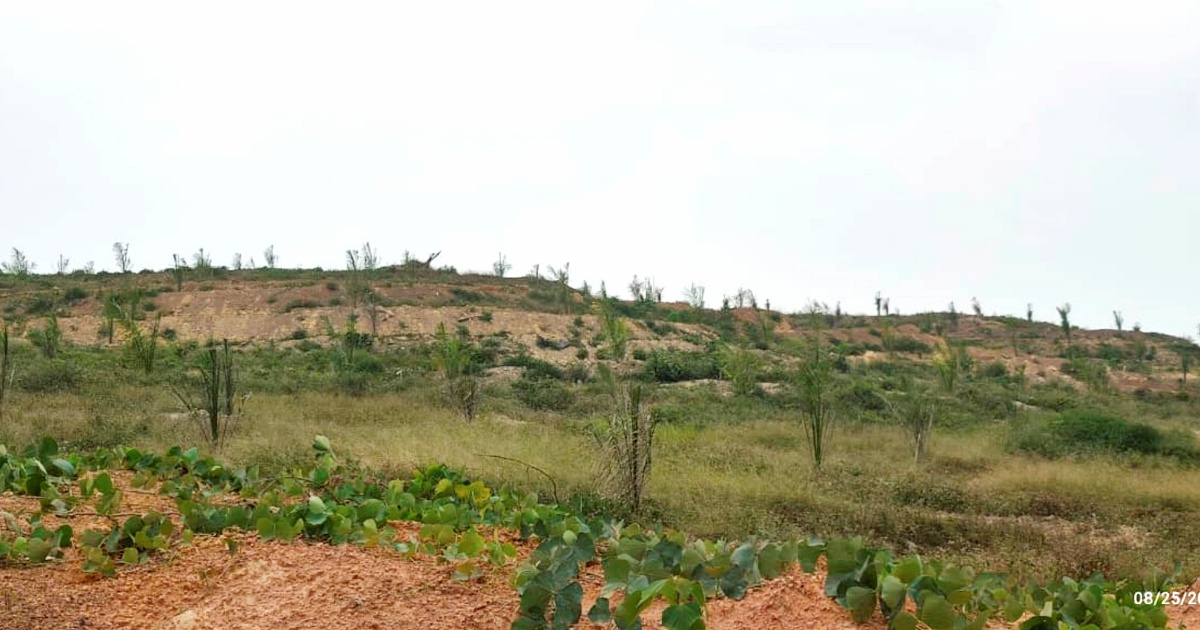
Residents of the Felda Palong 7 settlement in Jempol have escalated their grievances over agricultural inputs to the Malaysian Anti-Corruption Commission, filing a formal report that highlights systematic problems with oil palm seedling quality and consistency. The complaint underscores growing dissatisfaction among smallholder farmers who depend on reliable, uniform planting materials to maintain productivity and protect their livelihoods across the crucial palm oil production sector.
The issue of non-uniform seedlings presents a significant operational challenge for plantation farming. When oil palm seedlings vary substantially in vigour, height, root development, and genetic characteristics, farmers face uneven canopy maturation and staggered flowering patterns. This creates complications for harvesting schedules, pest management protocols, and yield projections—problems that multiply across the hundreds of hectares typical of Felda holdings. Settlers at Palong 7 argue that they received stock that failed to meet the quality benchmarks expected from official supply chains, potentially compromising their financial returns and competitive standing relative to other producers.
Felda, the Federal Land Development Authority, operates as a cornerstone institution within Malaysia's land settlement framework, managing thousands of schemes across the peninsula and hosting tens of thousands of smallholder families dependent on palm, rubber, and cocoa cultivation. When seedling supply becomes inconsistent, it directly affects the productivity guarantees embedded in settlement agreements and undermines the developmental mandate that Felda is designed to fulfil. The Palong 7 complaint suggests that either procurement standards have eroded or that quality control mechanisms along the supply chain have broken down, raising questions about institutional oversight and accountability.
Oil palm seedlings require rigorous certification and grading before distribution to ensure genetic uniformity, disease resistance, and optimal growth trajectories. Nurseries must maintain strict environmental controls, implement systematic record-keeping, and conduct regular health assessments. When seedlings fail to meet these standards, it typically reflects gaps in production management, inadequate inspection regimes, or cost-cutting measures that prioritise volume over quality. For settlers already operating with thin profit margins under volatile international commodity prices, receiving substandard planting material effectively transfers financial risk downward, creating cascading losses that could take years to overcome through re-planting cycles.
The decision to approach the MACC rather than pursue grievances through conventional agricultural or Felda channels suggests a deeper breakdown in trust and confidence. It implies that settlers believe the problem may involve corrupt practices, such as kickbacks to officials for approving defective shipments, collusion between suppliers and regulators, or falsification of certification documents. These allegations, if substantiated, would represent a serious breach of fiduciary duty and could expose Felda to reputational damage precisely when the organisation faces intensifying scrutiny over sustainability credentials and social responsibility in palm cultivation.
Southeast Asia's palm oil industry operates under mounting international pressure regarding environmental stewardship and smallholder welfare. Malaysia's reputation as a responsible producer depends partly on ensuring that farming communities receive equitable support, including certified planting materials that genuinely promote productivity and sustainability. When quality failures occur, they undermine broader sector initiatives aimed at demonstrating that Malaysian palm oil production benefits local farmers and adheres to rigorous standards. Regional trading partners and international retailers monitoring supply chains will view such complaints as indicators of systemic vulnerability.
The Palong 7 case also highlights the vulnerability of Felda settlers to supply-chain exploitation. These farmers typically lack the resources to source seedlings independently or negotiate with alternative suppliers, creating dependency relationships that can be exploited if quality assurance collapses. Institutional arrangements that protect smallholders from such vulnerability are essential to maintaining agricultural viability across rural Malaysia, where many communities lack alternative employment opportunities and rely entirely on commodity farming for household income and food security.
Felda's response to this complaint will signal its commitment to accountability and continuous improvement. A transparent investigation, corrective action against responsible parties, and mechanisms to compensate affected settlers could restore confidence, while defensive posturing or sluggish institutional response would deepen disillusionment and encourage further complaints to anti-corruption bodies. The MACC's findings may also prompt broader audits of seedling procurement and quality control across other Felda schemes, potentially revealing similar systemic weaknesses requiring urgent remediation.
The implications extend beyond Jempol. Thousands of Felda settlers nationwide depend on consistent, high-quality agricultural inputs to sustain operations and service debt obligations incurred during their settlement induction. If supply reliability cannot be guaranteed through official channels, it erodes the foundational assumptions underlying the entire smallholder development model. Policymakers and Felda management must prioritise urgent corrective measures, including strengthened vendor selection criteria, independent quality certification, and transparent procedures that rebuild settler confidence and protect Malaysia's palm oil sector from reputational and operational deterioration.

