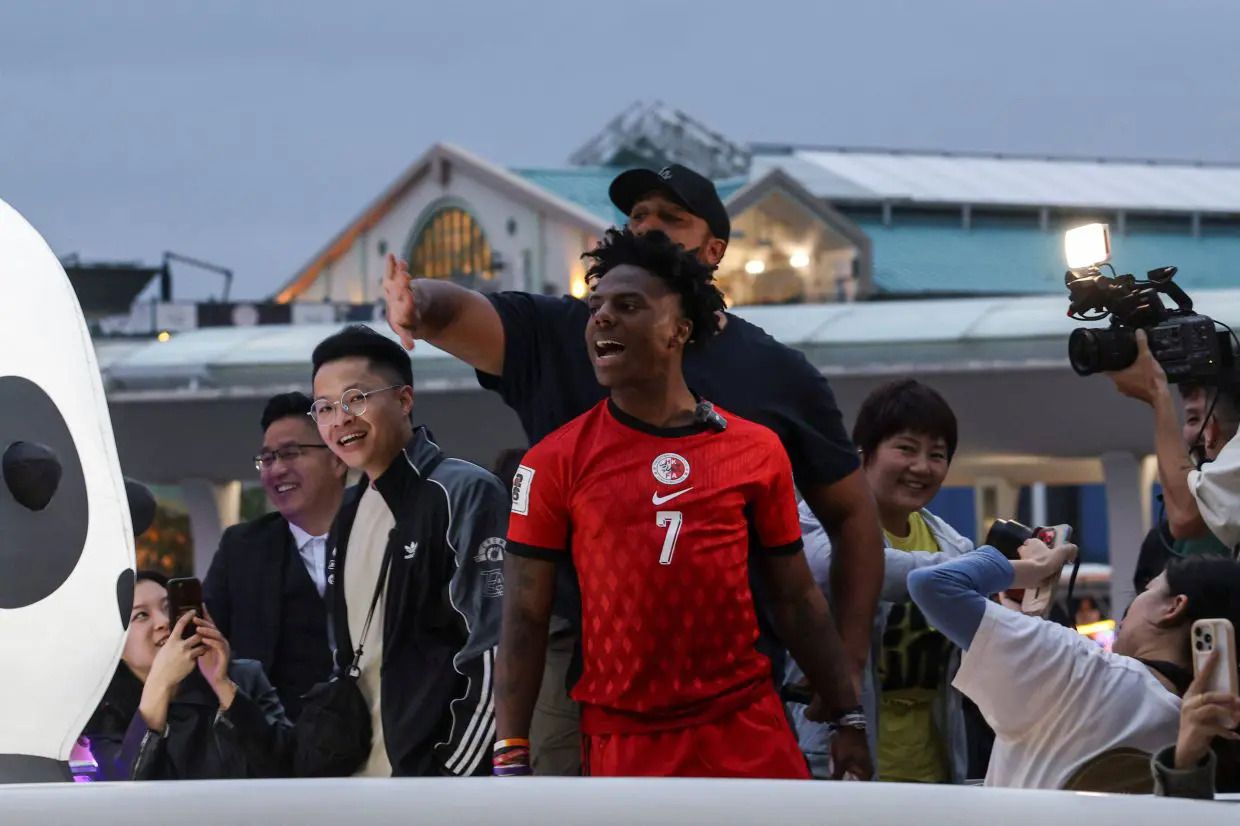
FIFA has initiated a formal investigation following reports of racist abuse directed at IShowSpeed, a content creator with a massive global audience, during last week's World Cup encounter between Argentina and Cape Verde at Miami Stadium. The international football body announced the probe on Tuesday through social media, signalling its commitment to addressing discriminatory behaviour at what remains sport's most prestigious competition.
IShowSpeed, the stage name of 21-year-old Darren Watkins Jr, commands an extraordinary digital following with over 57 million YouTube subscribers and tens of millions more across other streaming platforms, making him one of the world's most-watched content creators. His extensive reach means incidents involving him carry implications far beyond the stadium walls, broadcasting problematic behaviour to a genuinely global audience of predominantly young viewers. The streamer's presence at World Cup venues represents a deliberate effort to fuse traditional sports viewership with digital-age content creation, acknowledging how modern audiences consume sporting events through multiple channels and personalities.
Watkins' participation in the tournament stems from a formal partnership arrangement involving FIFA, YouTube, and Fox Sports, granting him official accreditation to attend matches and stream content live. This collaboration underscores how major sporting organisations increasingly recognise the commercial and cultural significance of digital creators in reaching younger demographics. However, the arrangement also places additional responsibility on match organisers and security personnel to ensure a safe environment for all participants, whether traditional journalists, official observers, or content creators operating under formal agreements.
The initial incident occurred during the July 3 fixture between Argentina and Cape Verde when a supporter allegedly directed racist insults at the streamer. The specifics of these remarks remain undisclosed, but FIFA's swift acknowledgement of the matter demonstrates how seriously the governing body is treating such allegations in the modern era. In previous years, instances of racial discrimination at international matches were sometimes minimised or inadequately investigated, but institutional changes within football have prompted more rigorous responses.
The problem proved not isolated to a single match. According to reports, Watkins faced further racist harassment during Tuesday's Argentina versus Egypt encounter when an Argentine supporter was observed imitating monkey sounds and gestures—a form of racial mockery with a deeply troubling history in football. This pattern of repeated incidents within days raises concerns about systemic enforcement of behavioural standards among certain supporter groups and whether existing stadium protocols effectively deter such conduct.
For Southeast Asian readers, these events carry particular relevance given the region's own history with racial discrimination in sports contexts. Malaysian football has encountered similar controversies, and the broader challenge of creating genuinely inclusive sporting environments remains an ongoing struggle across the region. How international bodies like FIFA respond to discrimination sets precedents that influence approaches taken by regional associations and domestic leagues throughout Asia.
FIFA's formal statement emphasised that the organisation "strongly condemns racism, hate and discrimination in all forms," reiterating that such behaviour has no place within football, at World Cup events, or in society broadly. This messaging reflects evolving expectations around institutional accountability and zero-tolerance policies toward discrimination. However, critics would note that investigations alone prove insufficient without substantive consequences for perpetrators and meaningful changes to stadium culture.
The incidents highlight ongoing tensions between football's global ambitions and persistent social problems that the sport has struggled to address comprehensively. While World Cup tournaments showcase football's universal appeal and its capacity to unite people across borders, they simultaneously create environments where existing prejudices and tensions can surface, sometimes with greater visibility than in domestic competitions. The involvement of a content creator with unprecedented reach amplifies the visibility of such incidents beyond traditional sports media channels.
The investigation will likely examine security camera footage, witness statements, and identification of the individuals involved. If substantiated, FIFA has various disciplinary tools available, including stadium bans, fines, and formal warnings against supporters' organisations. Whether these measures adequately address the underlying issues remains a subject of ongoing debate within football governance circles.
This incident also raises questions about the adequacy of education campaigns and supporter engagement programmes designed to prevent discriminatory behaviour. While top-level institutions and clubs have invested considerable resources in anti-racism initiatives, enforcement mechanisms at individual match level sometimes prove inconsistent or ineffective. The World Cup's scale and the involvement of supporters from numerous countries adds complexity to maintaining uniform standards across venues.
The formal partnership between FIFA and digital creators like Watkins represents an important evolution in how sports media operates and how governing bodies engage with contemporary audience preferences. However, this new model also exposes creators to risks and vulnerabilities that traditional journalists or observers might better avoid through institutional protections. Ensuring that such partnerships remain sustainable requires demonstrable commitment to creating genuinely safe and inclusive environments.
As FIFA continues its investigation, the football world watches closely regarding both the findings and the responses implemented. The decisions made in this instance will likely influence approaches to similar incidents in upcoming matches and provide signals about whether the sport's stated commitment to eliminating discrimination translates into concrete action at tournament level.

