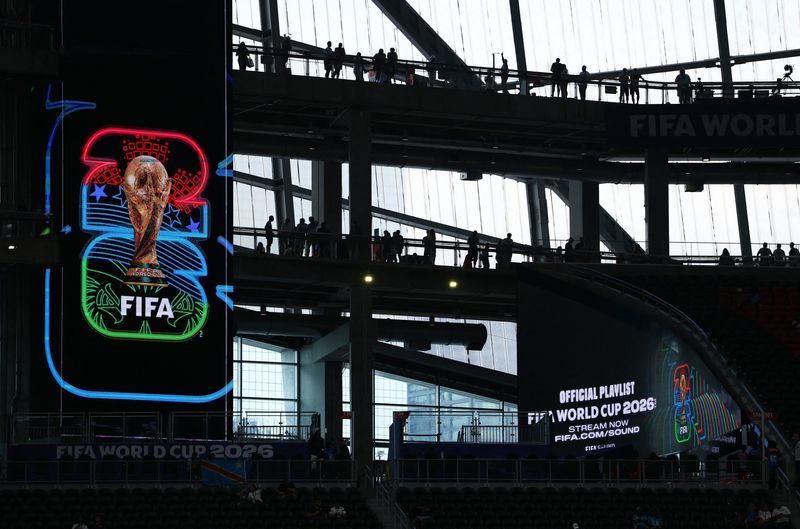
FIFA has sounded an alarm over a dramatic escalation in online abuse directed at players and officials during the World Cup group stage, releasing data this week that underscores how social media platforms remain a conduit for harassment in global sport. The soccer governing body's monitoring operations uncovered 89,000 offensive posts across various platforms—a staggering 13-fold jump compared to the 2022 tournament held in Qatar, signalling a deteriorating environment for athlete safety despite increased awareness and regulatory efforts around online discrimination.
The scale of the problem becomes clearer when examining the methodology behind these findings. FIFA's Social Media Protection Service scanned and analysed more than six million posts and comments throughout the group stage, itself a 33 percent increase from the previous World Cup. This expanded dataset reflects both the larger tournament structure—now featuring 48 teams instead of the traditional 32—and the intensifying volume of commentary surrounding international football competitions. The larger participant pool generates correspondingly more fan engagement, which inevitably amplifies opportunities for hostile and abusive interactions in online spaces.
Among the offensive content identified, racial abuse constituted approximately 11 percent of all verified abusive messages. This proportion represents a concerning 3 percent rise from Qatar's group stage, prompting FIFA officials to characterise the trend as marking a "significant increase in the objectively worst, most offensive material" circulating on social platforms. The persistence and growth of racially motivated harassment despite years of awareness campaigns and platform policy updates highlights structural challenges in combating discriminatory speech online, particularly when directed at athletes of colour competing in high-pressure international tournaments.
The mechanics of FIFA's protective infrastructure combine algorithmic detection with human judgment to tackle this challenge. The Social Media Protection Service employs a hybrid approach, using automated technology to flag potentially problematic content while deploying trained moderators to verify findings and make enforcement decisions. During the tournament, moderators reviewed approximately 225,000 flagged posts, ultimately confirming 89,000 as genuinely abusive and warranting action. Additionally, around 1,000 user accounts were escalated for deeper investigation, indicating patterns of repeat offences or particularly severe violations.
The scale of moderation work extended beyond simple content removal. Automated systems associated with the SMPS concealed approximately 181,000 hateful comments from team social media accounts, preventing followers from encountering this material directly. Over the group stage period, moderators addressed more than two million comments overall—encompassing spam, bot-generated content, and accounts using fake identities—representing a four-fold increase from Qatar 2022. This broader moderation burden reflects the sheer volume of engagement that major sporting events now generate, straining resources and human capacity even as technological solutions improve.
FIFA emphasised that the SMPS remains available to all participating teams, players, coaches, and match officials at its tournaments, designed specifically to shield them and their followers from discriminatory and threatening material. The service represents an acknowledgment that individual athletes cannot reasonably manage harassment alone, particularly when incidents spike during high-stakes competitions. By centralising moderation and providing institutional support, FIFA attempts to create protective barriers around participants who would otherwise navigate hostile online environments without institutional assistance.
A particularly troubling dimension of online abuse emerged during Morocco's penalty shootout victory over the Netherlands in the round of 32. Players Justin Kluivert, Quinten Timber, and Crysencio Summerville faced racist harassment following their missed penalty attempts, an incident that exemplifies how sporting disappointment frequently becomes a flashpoint for abusive behaviour targeting players based on race or ethnicity. Such incidents receive widespread attention but represent only the most visible tip of a much larger problem afflicting athletes across competitions and skill levels.
FIFA indicated that its monitoring operations now serve additional law enforcement purposes beyond immediate content removal. The service collates evidence and maintains documentation of violations that meet legal thresholds for prosecution, with over 100 cases identified during the tournament as sufficiently serious to warrant preparation of legal files for authorities. This evolution reflects recognition that addressing online abuse requires coordination beyond social media platforms themselves, potentially involving criminal justice systems and international legal frameworks.
The expanded tournament format, while creating richer competitive opportunities for more nations, has inadvertently amplified the harassment problem. With 48 teams rather than 32, the ecosystem generated substantially more user-generated content, fan engagement, and—inevitably—more opportunities for abusive interactions. This structural feature means that future tournaments operating under the expanded format will likely confront similar or escalating moderation challenges unless platforms fundamentally alter their approaches to content governance and accountability.
These findings carry particular resonance for Southeast Asian football supporters and players, many of whom participate in increasingly visible regional and global competitions. As Asian players gain prominence on international stages, racial abuse and discriminatory harassment directed at them may intensify, as historical patterns suggest that visibility and success among marginalised groups often provokes disproportionate hostility online. Malaysian clubs and national teams operating within social media environments shaped by international discourse must grapple with these broader trends while protecting their own communities from cross-border harassment and hate speech.

