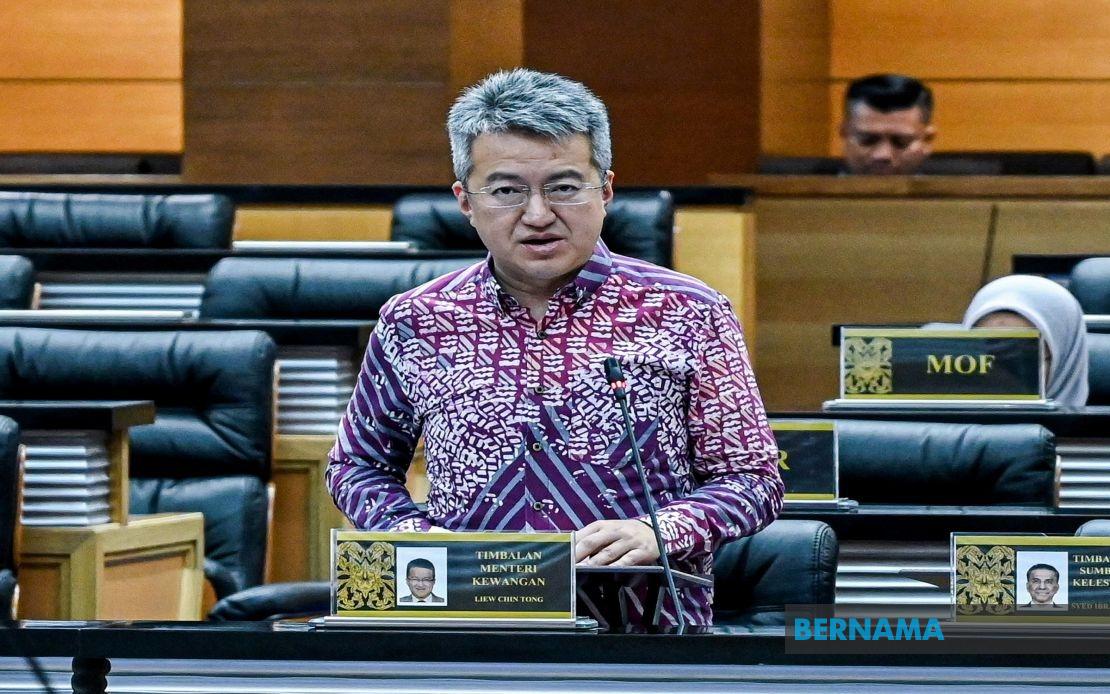
The Malaysian government is examining a proposal that would shield elderly care facilities from the eight per cent Sales and Service Tax, a move that addresses growing pressure from families struggling with mounting care costs. Deputy Finance Minister Liew Chin Tong disclosed that both the Ministry of Finance and the Ministry of Women, Family and Community Development are jointly investigating the feasibility of such an exemption during parliamentary proceedings in Kuala Lumpur on July 16.
The financial burden placed on ordinary Malaysian households by the SST on care services has become increasingly apparent as monthly fees for elderly care centres climb toward and beyond RM2,500. For families already contending with a high cost of living, this additional levy represents a significant strain on household budgets. The government's willingness to conduct a comprehensive study signals acknowledgment of these pressures among vulnerable populations who depend on professional care services for ageing relatives.
The proposed study goes beyond a simple yes-or-no decision on exemption. Officials will examine the existing service tax framework to distinguish between care centres offering basic services and those providing premium facilities. This differentiation matters considerably because not all elderly care facilities operate at the same level or charge comparable rates. By categorising operators according to the nature of their services, policymakers can potentially craft a more nuanced approach that protects families using standard care options without necessarily subsidising luxury provisions through foregone tax revenue.
Lee Chuan How, the Ipoh Timor member of parliament from Pakatan Harapan, originally raised the matter before parliament, urging the government to exempt care centres registered with the Social Welfare Department from the eight per cent levy. His intervention reflected constituency concerns and broader societal anxieties about eldercare accessibility in an ageing Malaysian population. The parliamentary response demonstrated that the issue has resonated sufficiently to warrant ministerial attention and formal study rather than dismissal.
Deputy Finance Minister Liew committed to a field-based approach that extends beyond theoretical policy analysis. He indicated that the finance ministry, working alongside the women, family and community development portfolio, would conduct working visits to affected care centres to observe operational realities firsthand. These visits will provide officials with practical insights into how the SST impacts centre operators and ultimately affects service quality and accessibility for residents and their families.
Engagement sessions with care centre operators form a crucial component of the ministry's investigative strategy. By directly consulting with those managing these facilities, government officials can gather evidence about actual cost pressures, profit margins, and potential consequences of tax policy changes. This consultative approach suggests the government recognises that policy decisions affecting the elderly care sector require input from industry participants who understand implementation challenges and market dynamics.
The willingness to entertain stakeholder feedback before finalising recommendations reflects a more collaborative governance approach. Officials will consider improvement proposals from all parties involved in the elderly care ecosystem before committing to definitive policy positions. This open-ended methodology creates space for creative solutions that might balance revenue considerations with affordability concerns, though it also means resolution may take considerable time.
The elderly care issue intersects with broader Malaysian demographic trends. As the population ages and more families require professional care services, the costs and accessibility of these facilities will increasingly influence both electoral sentiment and social welfare policy. Southeast Asian nations generally face mounting pressure to develop sustainable, affordable elderly care systems as their populations age faster than their economic development might suggest, making Malaysia's experience relevant across the region.
The timing of this policy review carries significance within Malaysia's current political context. Demonstrating government responsiveness to elderly welfare concerns contributes to broader narratives about which coalition better serves vulnerable populations. For opposition members, raising such issues provides opportunities to highlight implementation gaps in current policy. For government backbenchers and ministers, engagement with the issue demonstrates attentiveness to constituency concerns.
The parliamentary sitting that hosted this debate included 63 motions under Standing Order 17 across 16 days, involving 18 ministries and encompassing contributions from both government and opposition members. This broader legislative activity underscores that elderly care taxation represents one among numerous policy matters receiving parliamentary scrutiny. The special chamber structure allowed both government backbenchers and opposition representatives to chair proceedings, distributing influence more widely than typical parliamentary configurations.
Moving forward, the study's scope and timeline remain undefined. The government has committed to investigation and consultation but provided no specific deadline for conclusions. Families currently paying the eight per cent service tax on elderly care services will await results with considerable interest, as any exemption could provide meaningful financial relief. Care centre operators similarly hang in suspense regarding potential tax status changes that could affect their operational costs and competitive positioning within the market.

