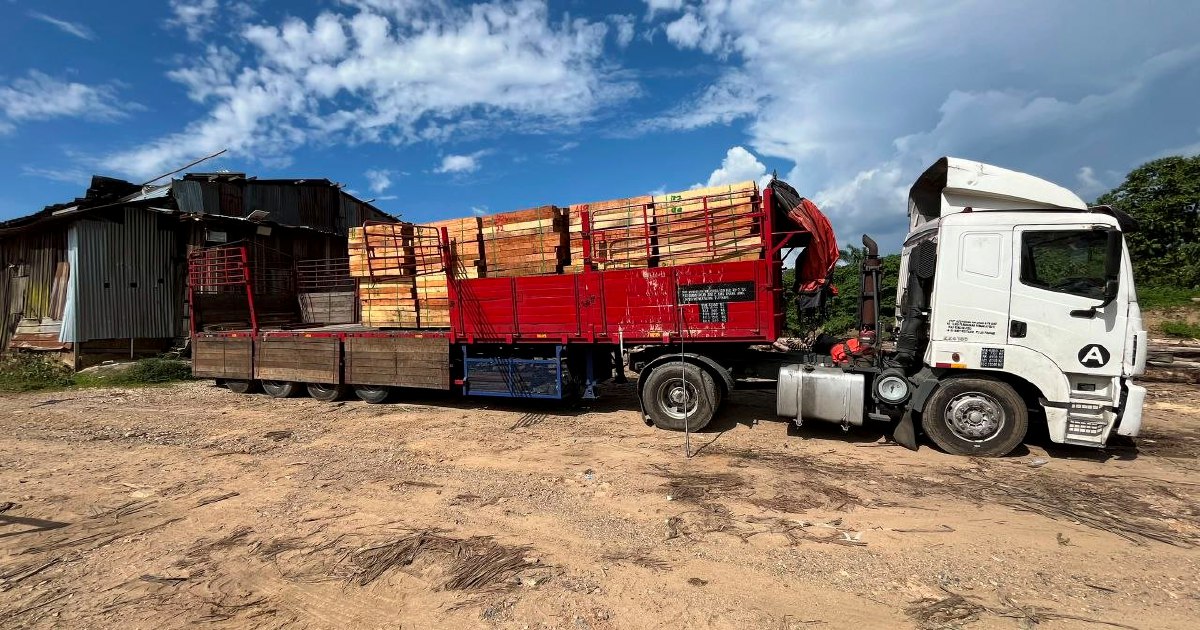
A major crackdown on illegal timber operations in Kelantan has resulted in the arrest of five individuals and the recovery of substantial contraband and processing equipment valued at RM2.32 million. The operation came to light when enforcement personnel raided a factory situated in the Sungai Embak area of Kuala Krai yesterday, uncovering what investigators believe was a sophisticated processing hub operating outside regulatory oversight.
The confiscation of machinery and related equipment points to a scale of operation that extended beyond casual or small-scale timber cutting. The presence of substantial processing equipment indicates the facility had been established with the clear intention of handling significant volumes of lumber, suggesting the illegal activity likely involved coordination with sources supplying raw timber to the location. The total seizure value underscores the economic scope of this particular violation.
Illegal timber extraction and processing remain persistent challenges across Malaysia's forested regions, particularly in Peninsular Malaysia where dense tropical forests and established distribution networks create opportunities for exploitation. Enforcement agencies have intensified attention on such operations over recent years as pressure mounts to combat forest degradation and ensure sustainable management of national timber resources. The Kelantan discovery illustrates that despite regulatory improvements, determined operators continue to establish clandestine processing facilities.
For Malaysian readers and businesses in the legitimate timber sector, such enforcement actions carry significant implications. The operation demonstrates that authorities maintain active surveillance capabilities and remain committed to disrupting unauthorised commercial activity. This matters considerably for enterprises operating within legal frameworks, as unregulated competition undercuts market pricing and allows black-market operators to circumvent environmental standards and taxation obligations that legitimate businesses must observe.
The regional context for such timber trafficking extends beyond Malaysia's borders. Southeast Asia's timber trade has historically attracted illegal operators seeking to exploit gaps between resource-rich jurisdictions and enforcement capacity. The establishment of processing facilities within Malaysia rather than simply exporting raw logs suggests a more complex supply chain where value is being added domestically before redistribution. Understanding these operational patterns helps enforcement agencies anticipate where future interventions may prove necessary.
The timing and location of enforcement actions often depend on intelligence gathering and coordination between federal and state-level authorities. In Kelantan, which encompasses substantial forest reserves and established timber industries, maintaining oversight requires sustained commitment to inspections and patrols. Yesterday's successful raid suggests that cooperative intelligence networks and tip-offs from community members or industry observers continue to play vital roles in identifying hidden operations.
Authorities typically focus enforcement efforts on facilities that demonstrate signs of illicit activity—such as operating during restricted hours, maintaining limited visibility, or receiving timber shipments lacking proper documentation. The Sungai Embak factory's discovery indicates that pattern recognition and surveillance protocols successfully identified a target worthy of direct intervention. The swift arrest of five individuals suggests coordination and planning preceding the actual raid.
The environmental dimension cannot be overlooked. Illegal timber operations frequently occur in or near protected forest areas, removing timber without regard for ecological impact, species protection, or forest regeneration requirements. This contributes to habitat loss, soil degradation, and reduced carbon sequestration capacity. For Malaysia's international commitments regarding forest preservation and climate action, curtailing such operations directly supports these objectives.
The confiscated machinery itself represents valuable evidence for prosecution purposes and removes tools that would otherwise be deployed in future illegal cutting and processing. Malaysian authorities have increasingly recognized that disrupting the supply of equipment—sawmills, loaders, processing machinery—creates friction in illegal operations and raises operational costs for prospective violators. Seizures of this magnitude may deter others from establishing competing facilities.
Investigators will now focus on tracing the supply chain—determining where the seized timber originated, whether it came from protected areas or private land without authorization, and establishing the distribution network intended to receive processed output. Such investigations often reveal surprising complexity involving corrupt officials, forged documentation, and links to organized crime networks. The identities and backgrounds of the five detainees may provide crucial entry points for uncovering these broader networks.
For Malaysian citizens concerned with environmental stewardship and natural resource management, such enforcement actions represent the enforcement end of regulatory frameworks protecting forests. Supporting these operations through reporting suspicious activity strengthens deterrence. Similarly, businesses and consumers conscientious about sustainable timber sourcing benefit from enforcement that removes unfair competition from illegal operators.
The case also highlights why international cooperation matters. Timber from Southeast Asia reaches global markets, often with falsified documentation suggesting legal origin. Stronger domestic enforcement, coupled with destination-country verification systems, creates multiple barriers to profiting from illegally harvested timber. Malaysia's participation in international forest governance initiatives therefore directly supports local enforcement efforts.
As investigations proceed, the evidence recovered will inform prosecution strategies and potentially reveal broader conspiracy among operators and corrupt officials facilitating such activities. Yesterday's raid represents a significant enforcement success, but authorities recognize that sustained vigilance across Kelantan and other forested regions remains essential to protecting Malaysia's forest patrimony and legitimate timber industry interests.

