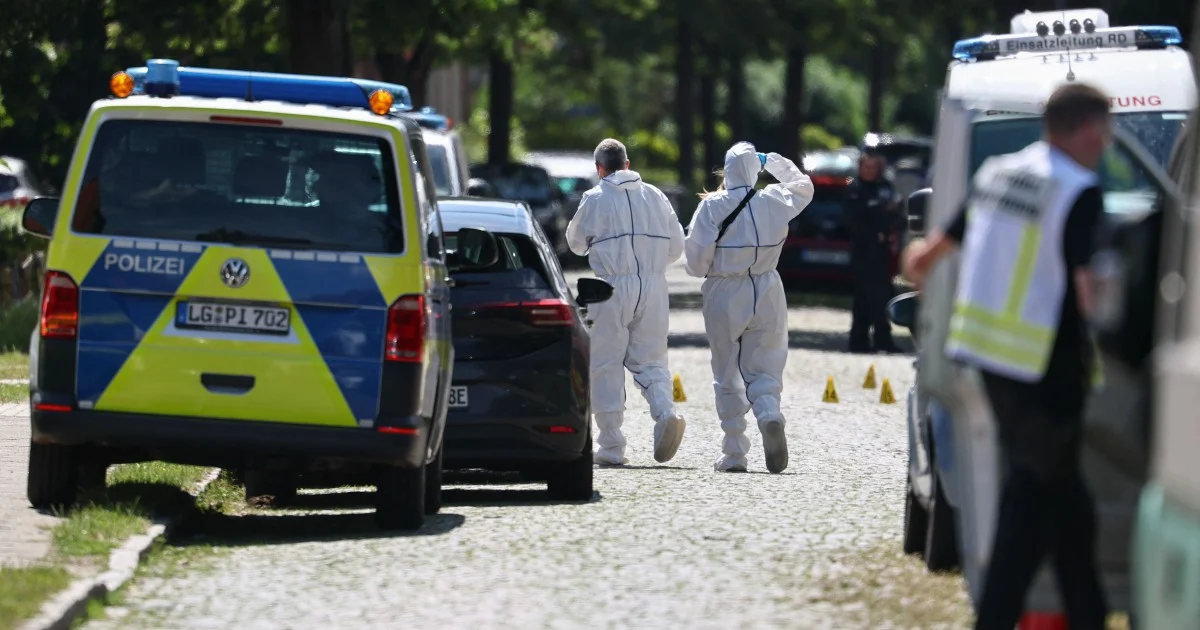
A shooting incident at a youth welfare facility in Stade, Germany on Monday left five people dead and represents one of the most serious mass casualty events the nation has experienced in recent times. Authorities confirmed that law enforcement officers have taken the suspected gunman into custody as investigations into the circumstances surrounding the attack continue.
The incident occurred at a facility dedicated to providing social services and support to young people in the Stade region, a town in Lower Saxony near Hamburg. Details about the identity of the victims and the sequence of events that led to the shooting remain under investigation by German police, who have launched a comprehensive inquiry into the motivations behind the attack.
Mass shooting incidents remain relatively uncommon in Germany compared to some other developed nations, a reflection of the country's strict firearm regulations and licensing requirements. However, several deadly shooting incidents have occurred in recent years, drawing renewed attention to gun violence and security measures at public institutions and social service facilities across the country.
The arrest of the suspected gunman has brought initial relief to the local community, though authorities are still working to establish a clear timeline and understand the circumstances that preceded the violence. Police have not yet released detailed information about the suspect's background, possible motives, or whether there had been any prior contact with authorities.
Youth welfare centres in Germany typically provide crucial social support services, counselling, and programmes designed to assist vulnerable young people. These facilities often work with at-risk populations and are regarded as important pillars of the country's social safety net. The targeting of such an institution raises questions about the security measures in place at these centres and whether additional protective measures may be needed.
The incident has sent shockwaves through German society and is likely to reignite discussions about gun control, security protocols at public facilities, and mental health support systems. German politicians and public figures have begun responding to the tragedy, with many expressing concern about public safety and the adequacy of existing preventive measures.
For Malaysian observers, this tragedy underscores how mass violence can occur even in developed nations with comprehensive social services and stricter firearm regulations than many countries. The incident highlights the complex challenges that societies across the world face in balancing public safety with openness, and the persistent threat posed by individuals with intent to cause harm.
The investigation into the Stade shooting will likely take weeks or months to complete as forensic evidence is gathered, witness statements are collected, and the suspect is interrogated. The findings may influence future policy discussions within Germany regarding facility security, threat assessment protocols, and mental health intervention programmes.
Local authorities in Stade have likely deployed additional support services for traumatised witnesses and family members of the victims. Crisis counselling and psychological support will be crucial for the community as it processes this tragedy and seeks to understand how such violence could occur in their town.
As details continue to emerge, the incident serves as a stark reminder of the vulnerability of public institutions and the importance of comprehensive approaches to violence prevention that address underlying social and psychological factors alongside physical security measures. Germany, despite its low rates of gun violence relative to other developed nations, must now grapple with this serious incident and determine what lessons can be learned to prevent similar tragedies in future.

