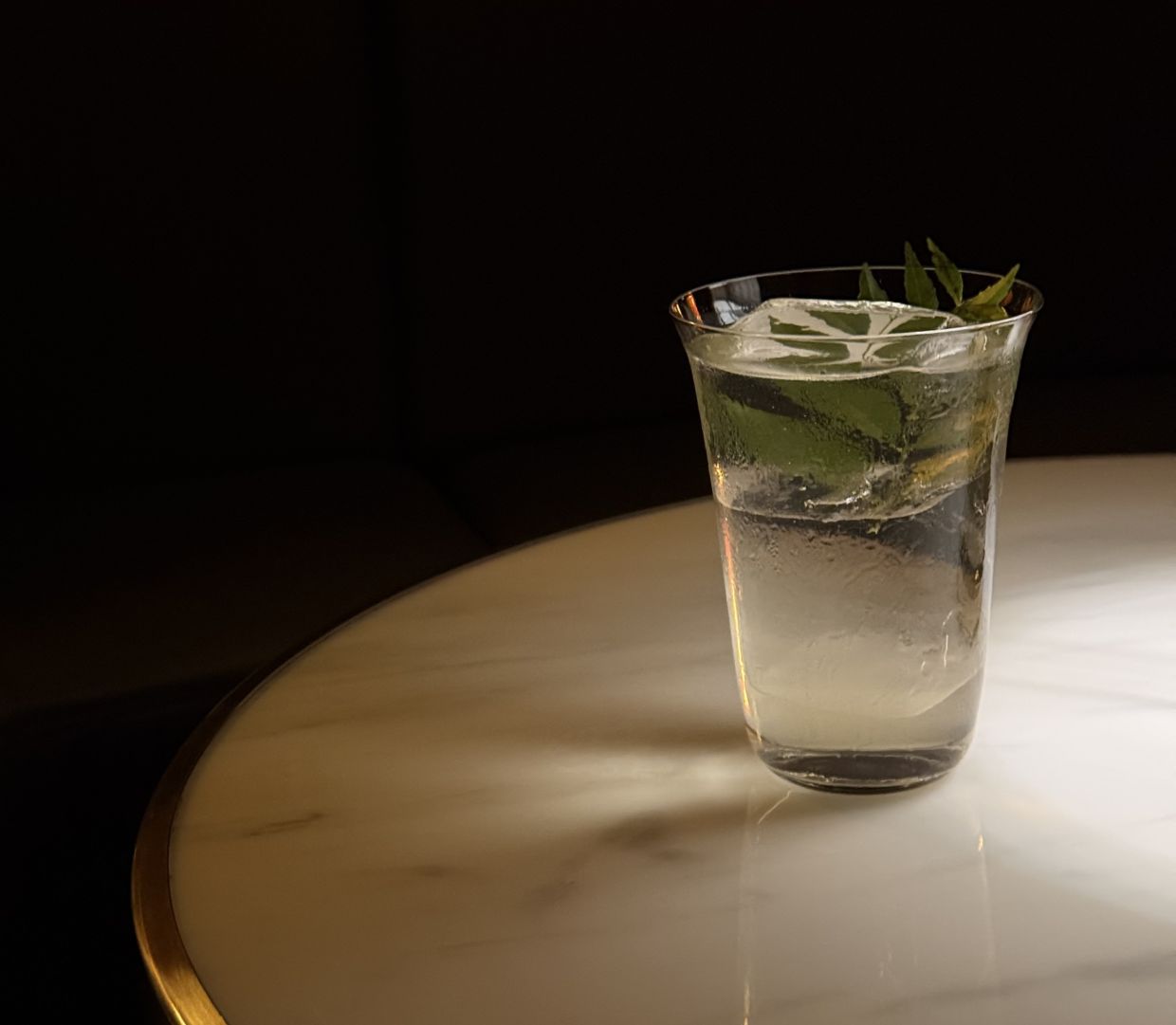
Malaysia's cocktail bar scene has secured fresh recognition with five establishments named on Asia's 50 Best Bars 2026 extended 51-100 list, announced in advance of the main awards ceremony scheduled for Macau on July 28. The selections encompass four Kuala Lumpur venues—Reka:Bar, Penrose, Cabinet 8 KL, and Coley—alongside Penang's acclaimed Backdoor Bodega, reflecting the country's deepening presence in Southeast Asia's competitive mixology landscape.
Cabinet 8 KL enters the rankings at position 65, marking its inaugural appearance on the prestigious list. Situated along Jalan Sultan mere steps from RexKL, this establishment operates as a concealed bar nested within a neighbourhood cafe concept, blending daytime coffee service with evening cocktails. What distinguishes the venue from competitors is its deliberate sourcing strategy, incorporating distinctly Malaysian ingredients such as kedondong and pineapple from carefully vetted farms across the country. This approach resonates with a broader trend among Southeast Asian bars to foreground local terroir and agricultural products, positioning Malaysia's tropical abundance as a competitive advantage in an increasingly sophisticated regional drinks market.
Reka:Bar maintains its position as a significant player within the rankings, securing the number 63 spot after claiming 47th place in the previous year's edition. Operating from its Damansara Heights location, the venue positions itself as a 'post-modern flavour lab', a descriptor that hints at its experimental methodology. The bar's technical sophistication emerges through deployment of advanced cocktail-making techniques encompassing infusion, clarification, and distillation, each designed to produce drinks characterised by complexity, cleanliness, and flavour clarity. Such technical depth appeals to discerning patrons seeking more than casual refreshment, and reflects how Malaysian establishments are competing through innovation rather than simply replicating established templates.
Penrose's revised standing at position 64 signals the intensity of competition within Asia's cocktail sphere. The Chinatown establishment experienced a notable decline from its tenth-place ranking just one year prior, and from an eighth-place finish in 2024, dropping out of the top 50 entirely. Established by respected bartender Jon Lee, Penrose emphasises the creation of an intimate setting conducive to meaningful interaction between bartender and patron, coupled with cocktails conceived along classical lines yet executed with distinctive precision. The bar's retreat down the rankings, despite maintaining inclusion on the extended list, underscores how the region's cocktail culture continues fragmenting into specialised niches where novelty and technical innovation increasingly trump traditional hospitality models.
Backdoor Bodega in Penang demonstrates an alternative trajectory, advancing steadily through the rankings to position 62, up from 64th place in the previous cycle. The venue has achieved consistency on the list since becoming Penang's first bar entry in 2022, and recently accumulated significant accolades including Asia's Best Cocktail Menu and World's Best Cocktail Menu honours. Positioned in George Town's historic core, Backdoor Bodega operates under the concept of an 'overpriced pin shop', where patrons purchase collectible lapel pins that entitle them to complimentary cocktails—a clever gamification strategy that transforms drinks service into a curatorial experience. The bar's recent launch of its 'Gems Of Georgetown' seasonal menu, timed to coincide with its tenth anniversary, demonstrates how established venues maintain momentum through cultural integration and periodic reinvention.
Coley, a neighbourhood establishment in Bangsar also marking its tenth anniversary this year, climbed nine positions from 92nd to 83rd place, reflecting renewed recognition within the judging academy. The bar has maintained continuous presence on the list since its debut appearance in 2019 at position 27, representing a longer tenure than most Malaysian entries. This longevity, coupled with its recent upward momentum, suggests that Coley's convivial approach to neighbourhood hospitality has resonated beyond transient trends. The improvement is particularly notable given the general intensity within Asia's cocktail rankings, where volatility tends to characterise establishments lacking distinctive positioning or consistent execution.
The broader 51-100 extended list reveals Asia's cocktail renaissance extending across 25 cities, with eleven new entries disrupting established hierarchies. Singapore leads with six new entries including B.O.P., while Seoul, Shanghai, Taipei, and Tokyo each contribute four venues. Jakarta's emergence with two new entries—Between the Sips and Hats Bar—signals Indonesia's development as a rising cocktail destination, suggesting that premium drinks culture is diffusing beyond established metropolitan centres across Southeast Asia. Malaysia's representation across both Kuala Lumpur and Penang indicates the country's dual strength in established commercial centres and secondary cities with distinctive cultural identities.
The ranking methodology draws upon votes from the Asia's 50 Best Bars Academy, a curated group exceeding 300 members comprising bartenders, bar proprietors, drinks journalists, and cocktail specialists distributed across the region. This academy-based approach ensures that rankings reflect industry consensus rather than consumer opinion, prioritising expertise and professional standing within the mixology community. For Malaysian establishments, placement reflects recognition from influential regional peers, validating their technical proficiency and conceptual coherence relative to competitors from wealthier, more internationally established markets.
The recognition carries implications extending beyond individual venue prestige. Malaysia's sustained presence on the Asia's 50 Best Bars extended list signals the country's maturation as a cocktail destination, attracting both serious enthusiasts and professional practitioners. The emphasis on local ingredients and distinctive approaches—evident across Malaysian entries from Cabinet 8 KL's tropical produce sourcing to Backdoor Bodega's experiential retail model—demonstrates how establishments can leverage Malaysian cultural and agricultural assets to compete effectively against venues drawing on longer international heritages. For Malaysia's tourism and hospitality sectors, these rankings provide marketing currency in positioning the country as a sophisticated destination for experiential travel beyond beach resorts and conventional attractions.

