A coordinated assault on a Thai ranger checkpoint in southern Narathiwat province has resulted in five military deaths and left six civilians wounded, authorities confirmed on Thursday. The attack underscores mounting instability in Thailand's southernmost region and raises fresh concerns about security vulnerabilities along the Malaysia-Thailand border, an area that has long grappled with militant activity and sporadic violence.
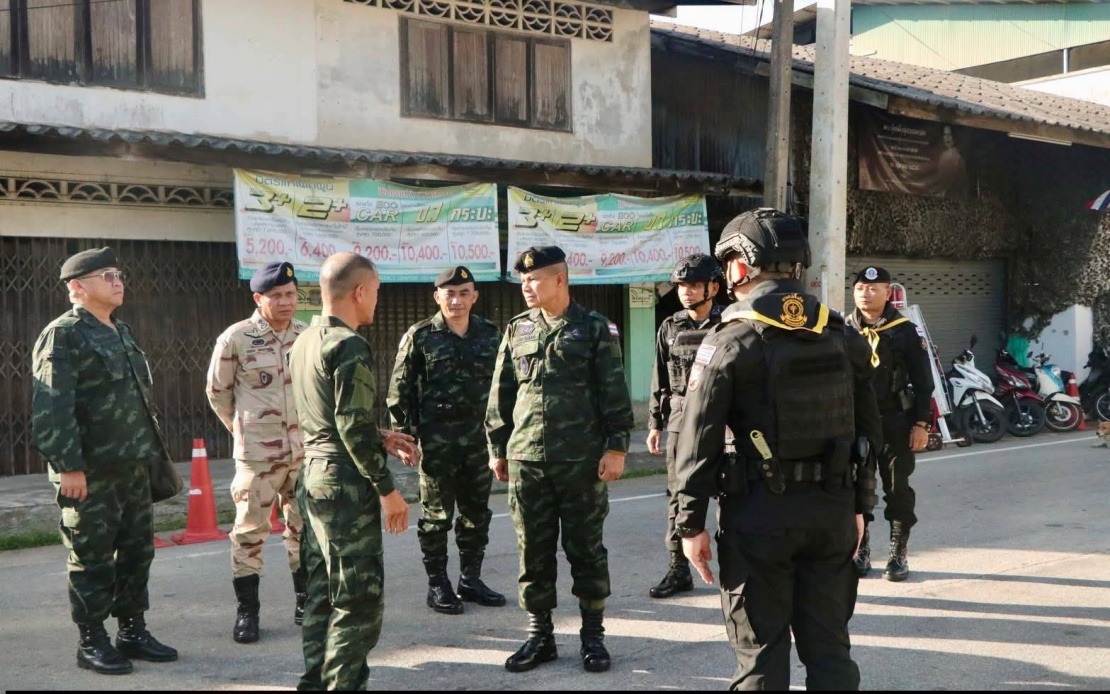
The assault took place Wednesday evening at approximately 6.45 pm local time, targeting the 4509 Ranger Company checkpoint situated on Sami Hill in Rangae District. According to Lieutenant General Norathip Phoyanok, who commands the Fourth Army Region and oversees the Internal Security Operations Command (ISOC) Region 4, the attackers employed firearms and improvised explosive devices in their assault. Norathip visited the scene on Thursday and briefed media representatives, describing how more than six masked assailants dressed in dark clothing launched the coordinated strike against the security position.
The attack methodology suggests a degree of planning and tactical coordination. Gunfire was opened on the checkpoint, followed by pipe bomb explosions that caused casualties among both military personnel and civilians in the vicinity. The injured civilians ranged from a three-year-old girl to elderly residents, reflecting the indiscriminate nature of the violence. This combination of small arms fire and improvised explosives mirrors attack patterns previously documented in the region, where separatist and militant groups have demonstrated capacity for organized operations.
Following the assault, the perpetrators executed what appears to have been a planned withdrawal, fleeing the checkpoint in a black four-wheel-drive vehicle. The escape route and choice of vehicle suggest the attackers had prepared contingencies for their exit. Thai authorities have not yet publicly identified the individuals responsible, though Norathip indicated that investigations aimed at determining who orchestrated the operation remain ongoing. The lack of immediate attribution to a specific group is notable given the southern Thailand insurgency's fragmented organizational structure.
The incident prompted swift administrative response from Narathiwat Governor Boonchuai Hormyamyen, who issued orders to intensify security operations across the region. His directive brought together police, military units, and local administrative bodies to enhance security protocols along the Malaysia-Thailand border as well as throughout Narathiwat's twelve districts. This multi-agency coordination reflects official concern that the attack may signal a broader resurgence in militant activity, though the governor has not elaborated on specific intelligence suggesting an imminent threat wave.
Forensic teams have secured the checkpoint area to conduct detailed investigations and collect evidence that might help identify the perpetrators. The scene preservation indicates authorities are pursuing both technical forensic analysis and witness interviews to reconstruct the attack sequence and gather leads. Such investigative work typically takes considerable time in complex operations involving multiple weapons and explosives, particularly when establishing precise casualty circumstances and attack timing.
The Narathiwat assault arrives amid long-running instability in Thailand's deep south, where the country's Muslim-majority provinces have experienced decades of conflict. While violence has fluctuated over the years, the region remains a flashpoint where competing militant factions, criminal organizations, and security forces interact in patterns of attack and counter-operation. Civilian casualties in such incidents remain tragically common, though the targeting of military installations generally indicates attacks by organized insurgent groups rather than opportunistic criminal activity.
For Malaysia, the implications merit careful consideration given the proximity of the incident to the border. Cross-border militant networks have long presented challenges for both countries, with security forces on both sides working to prevent weapons trafficking, militant recruitment, and operational planning that exploits the porous frontier. Malaysian authorities typically coordinate with their Thai counterparts on intelligence sharing and joint operations aimed at disrupting such networks. This particular attack, while occurring entirely within Thai territory, may prompt renewed discussions between the two nations' security establishments regarding border security enhancement.
The death toll from this single incident represents a substantial loss for the Thai military's ranger units, which face persistent operational demands across the southern provinces. The injuries to six civilians—spanning ages from a young child to elderly individuals—underscore how security operations and militant attacks inevitably affect non-combatants living in conflict zones. Such collateral impact often complicates counterinsurgency efforts, as civilian casualties can generate grievances that militant recruiters exploit for mobilization purposes.
Thailand's security challenges in the south remain multifaceted, involving not merely insurgent violence but also organized crime, drug trafficking, and weapons smuggling that complicate the threat environment. The sophistication evident in Wednesday's attack—the coordination of multiple armed personnel, use of explosives, and organized withdrawal—suggests operational capacity that extends beyond spontaneous violence. Whether this reflects increased capability among militant groups or represents a continuation of existing threat levels remains to be determined as investigations progress.

