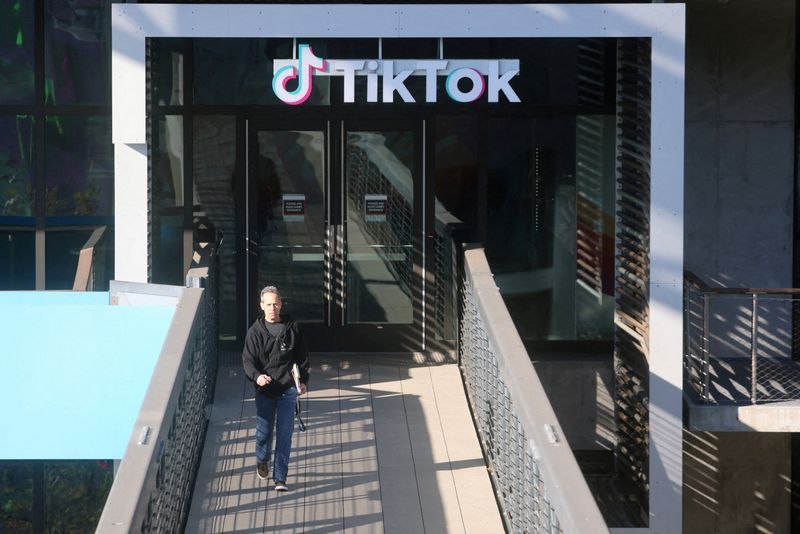
Florida's top law enforcement official filed a lawsuit against TikTok on Monday in St. Lucie County state court, claiming the social media giant is sidestepping a law that bars children under 14 from having accounts on the platform. Republican Attorney General James Uthmeier contends that ByteDance-owned TikTok continues allowing underage access while downplaying the prevalence of violent and sexual material visible to young users.
"TikTok knowingly deceives parents and allows children to be exposed to harmful and inappropriate content in direct violation of Florida law," Uthmeier stated. "We have zero tolerance for companies that prioritize profit over children's safety." The legal action requests that courts compel the platform to comply with state requirements and award monetary damages.
TikTok responded by noting it has been in dialogue with Florida authorities and has begun suspending accounts belonging to users under 14 in the state. A company representative said the platform is making adjustments to meet Florida's requirements and described itself as having a "strong record on minor safety," though the firm is now reviewing the complaint.
This action represents part of a broader wave of litigation. More than 25 state attorneys general have brought separate cases against TikTok, typically citing consumer protection statutes and claiming the app is engineered to be habit-forming for minors, contributing to mental health difficulties. Meta Platforms, Google, and other social media firms face thousands of additional suits from individuals and school districts alleging similar harms. These companies maintain they deny the claims and have implemented protections for younger users.
The Florida law, known as H.B. 3, requires social media services to prohibit accounts for anyone under 14 and mandates parental authorisation for users aged 14 to 15. It commenced in January 2025. Florida previously sued Snapchat owner Snap under the same statute, characterising its conduct as "particularly egregious" for promoting the app to 13-year-olds despite its capacity to facilitate access to pornography and illicit drug sales.
A federal judge previously determined the legislation was unconstitutional, though that decision has been temporarily suspended, permitting enforcement to proceed during Florida's appellate challenge. Recent judicial decisions and settlement amounts—such as TikTok's USD 8 million settlement with a Kentucky school district—demonstrate the escalating cost of these disputes for technology companies.