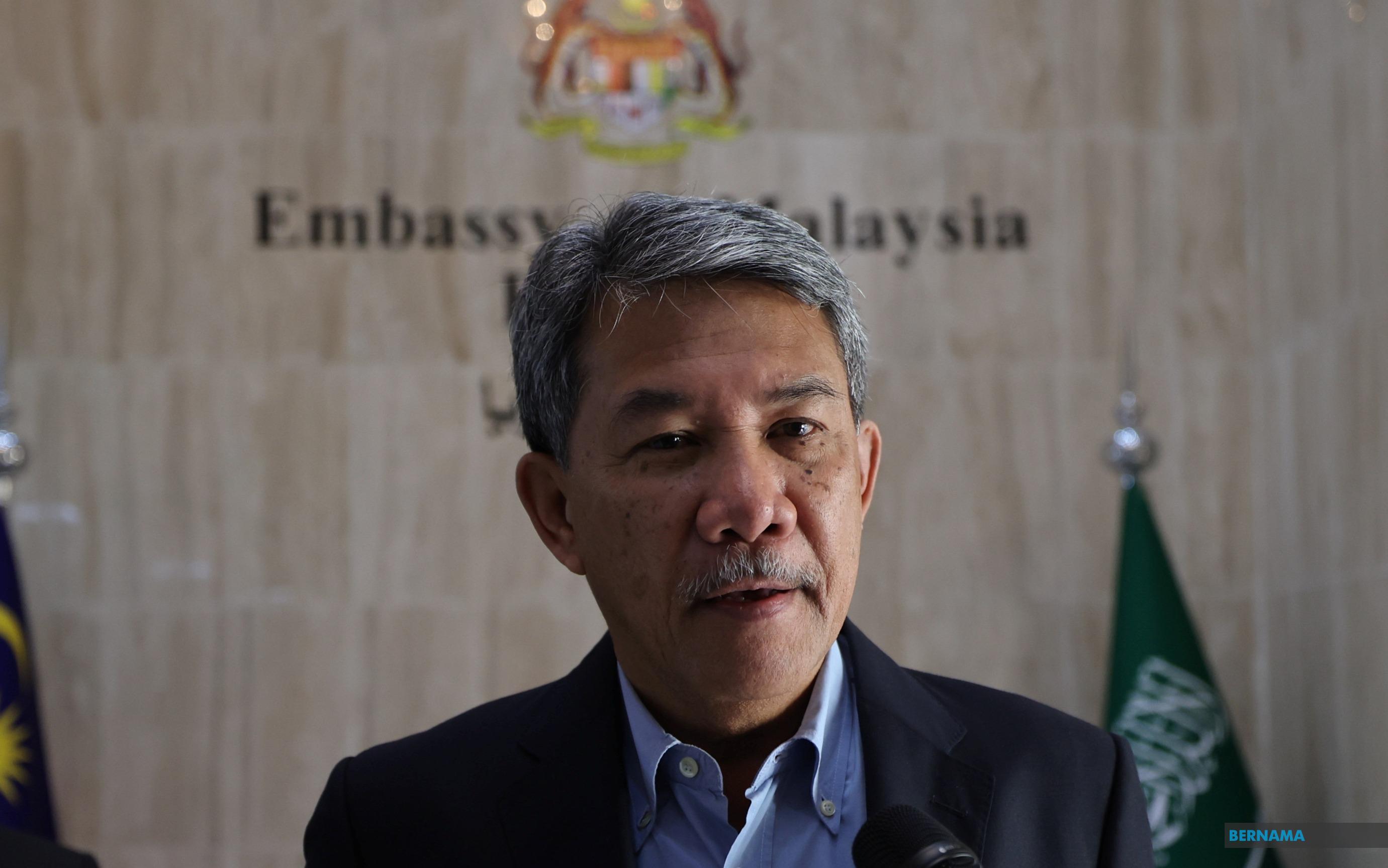
Foreign Minister Datuk Seri Mohamad Hasan landed in Jeddah on August 26 to spearhead Malaysia's representation at an extraordinary gathering of the Organisation of Islamic Cooperation's Council of Foreign Ministers scheduled for the following day. His arrival at King Abdulaziz International Airport at 5.45 pm was marked by a formal reception from Malaysian Ambassador to Saudi Arabia Datuk Syed Bakri Syed Abdul Rahman, underscoring the diplomatic significance of the occasion.
The one-day meeting represents a critical moment for Muslim-majority nations to coordinate their response to escalating tensions in the Middle East. The agenda encompasses recent developments affecting Palestinian territories, with particular attention to the ongoing humanitarian situation in Gaza and the contested West Bank region, alongside discussions regarding the continued expansion of Israeli settlements deemed illegal under international law.
Malaysia's participation in this high-level gathering carries substantial weight given Kuala Lumpur's consistent advocacy for Palestinian self-determination and regional stability. Ambassador Syed Bakri articulated the strategic importance of the country's attendance, framing it as an essential platform for expressing Malaysia's principled stance against what the government characterises as Israeli military actions and territorial expansion affecting Palestinian populations.
During the proceedings, Foreign Minister Mohamad is scheduled to present Malaysia's formal National Statement, which will reaffirm Kuala Lumpur's steadfast commitment to the Palestinian independence movement and the Palestinian people's fundamental right to establish a viable, self-governing state. The statement is expected to reference the 1967 borders as the foundational framework for resolving territorial disputes and establishing a sustainable political settlement in the region.
This diplomatic positioning reflects Malaysia's longstanding foreign policy orientation, which has consistently prioritised the Palestinian cause within multilateral forums. The country's engagement at the OIC level allows it to amplify concerns about Israeli policies while building consensus among Islamic nations on coordinated diplomatic responses. Such participation also demonstrates Malaysia's role as an active participant in shaping regional and international discourse on Middle Eastern affairs.
Beyond the formal agenda, Foreign Minister Mohamad's presence in Jeddah creates valuable bilateral engagement opportunities. He is anticipated to hold separate discussions with counterparts from various nations attending the summit, with conversations likely focusing on deepening mutual cooperation across multiple sectors. These side meetings typically address strategic interests in commerce, trade relations, and investment partnerships, allowing countries to explore mutual benefit while strengthening diplomatic ties.
The timing of this extraordinary session reflects the urgency perceived by OIC member states regarding Palestinian developments. Rather than waiting for regular scheduled meetings, the decision to convene an emergency gathering signals the priority accorded to addressing what participating nations view as deteriorating circumstances affecting Palestinian communities and territories. This accelerated diplomatic response underscores the gravity with which the Muslim world regards current events in Gaza and the West Bank.
For Malaysia specifically, engagement at such forums serves multiple purposes beyond symbolic representation. It allows the country to articulate its position on international humanitarian and legal standards, reinforce its credentials as a voice for developing and non-aligned nations, and maintain alignment with broader Islamic solidarity principles. Simultaneously, it provides opportunities to advance specific national interests through bilateral channels with key trading and diplomatic partners attending the summit.
The delegation's composition and the minister's personal attendance reflect the importance Kuala Lumpur attaches to the proceedings. Having the Foreign Minister present, rather than a subordinate official, signals that Malaysia views the issues under discussion as fundamentally important to national foreign policy interests and values. This level of representation also enhances Malaysia's capacity to influence discussions and forge meaningful partnerships with other participating nations.
The extraordinary nature of this OIC Council meeting indicates that member states have agreed that standard diplomatic procedures are insufficient for addressing current developments. The convening of emergency sessions typically occurs when circumstances are perceived to have reached a critical juncture requiring urgent collective action and coordinated messaging. Malaysia's full participation, through its most senior foreign affairs representative, demonstrates the country's commitment to engaging constructively with such urgent matters affecting Muslim communities globally.

