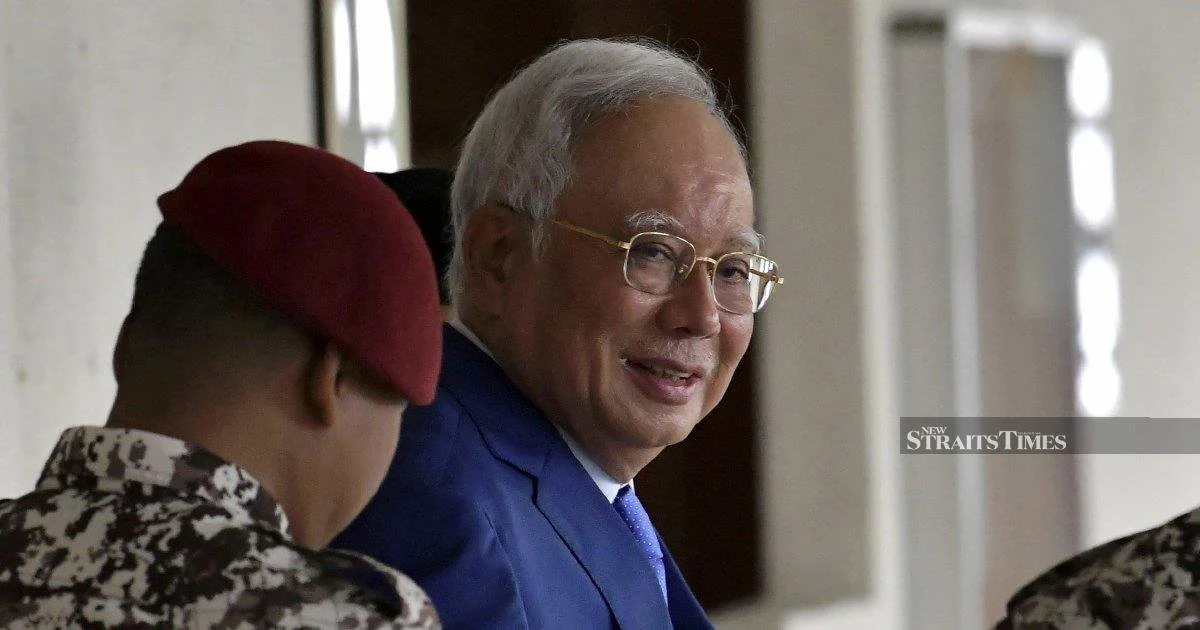
Former Skudai assemblywoman Marina Ibrahim has levelled accusations of inconsistency against DAP, claiming that one of its senior figures entertained the possibility of securing a royal pardon for former prime minister Datuk Seri Najib Razak and converting his custodial sentence into house arrest. The allegation, made in Johor Baru, adds another layer to the ongoing political tensions surrounding Najib's legal predicament and underscores the ideological fault lines within Malaysia's fractious opposition coalition.
The assertion is particularly significant given DAP's historical positioning as an anti-corruption crusader and vocal critic of the Najib administration. The party built considerable political capital during the lead-up to the 2018 general election by championing the cause of accountability and the rule of law, positioning itself as the moral compass within the Pakatan Harapan alliance. Such claims of backroom flexibility on Najib's fate would represent a stark contradiction to the party's publicly articulated principles, if substantiated.
Marina Ibrahim's comments emerge against a backdrop of mounting pressure from multiple quarters regarding Najib's incarceration. The former premier has exhausted conventional legal avenues and now awaits the outcome of his petition for a royal pardon. His situation has become increasingly enmeshed with broader conversations about judicial independence, executive clemency, and whether Malaysia's political establishment should collectively pursue paths toward reconciliation or maintain rigorous accountability standards.
The timing of these allegations is noteworthy. Malaysia's political landscape has undergone significant reconfiguration since the 2020 collapse of the Pakatan Harapan government. DAP's fortunes have shifted considerably, particularly following the Federal Court's verdict upholding Najib's conviction on charges of criminal breach of trust, abuse of office, and money laundering related to the SRC International case. The party's capacity to shape discourse around such matters has consequently diminished.
Doubt about the consistency of political parties on governance questions resonates powerfully with Malaysian voters who have grown weary of perceived flip-flopping on fundamental principles. If opposition leaders are perceived as entertaining concessions on accountability toward individuals they previously prosecuted or criticised, it damages the moral authority upon which electoral promises rest. This dynamic has plagued Malaysian politics repeatedly, as successive administrations appear to recalibrate their positions on corruption, governance, and the application of laws once they transition between government and opposition roles.
The allegation also touches on the delicate matter of royal prerogative. The institution of royal pardons represents one of the few remaining mechanisms through which Malaysia's judicial outcomes can be altered outside the court system. References to potential use of such extraordinary powers inevitably raise constitutional questions about the proper boundaries of executive mercy, particularly in cases involving former political leaders whose convictions relate to alleged abuse of public office.
For the Democratic Action Party, such accusations create reputational complications that extend beyond parliamentary arithmetic. The party's electoral support, particularly among urban professionals and communities prioritising integrity in governance, derives substantially from perceptions of principled opposition to corruption. Any suggestion that party leaders would negotiate flexibility on accountability measures targeting high-profile figures could fracture this constituency. DAP's response to these allegations will likely prove consequential for its standing among voters who view anti-corruption governance as non-negotiable.
Similarly, the broader opposition coalition faces questions about coherence on fundamental issues. Malaysian voters have demonstrated declining confidence in the country's political institutions precisely because successive governments have appeared to apply legal standards selectively based on partisan calculations. If opposition figures appear to contemplate similar approaches toward accountability depending on circumstances, it reinforces cynicism about whether genuine reform toward rule-of-law governance is genuinely achievable through electoral politics.
The Najib question has persisted as a touchstone for Malaysian politics because it encapsulates larger anxieties about whether the 2018 change of government represented a genuine shift toward institutional accountability or merely a temporary recalibration of power among competing elite factions. His ongoing legal battles, various appeals, and now discussions about potential clemency mechanisms, keep this unresolved question alive in public consciousness.
For Southeast Asian observers, the Malaysian case illustrates recurring challenges in post-transition democracies navigating between justice and reconciliation. How societies handle accountability toward former leaders shapes not merely immediate political outcomes but establishes precedents affecting institutional development across subsequent administrations. The perception that opposition figures might negotiate flexibility on such matters typically indicates that deeper consensus about democratic principles remains fragile.
The allegations against DAP require substantiation and clarification, but they address substantive questions about whether Malaysia's political actors genuinely embrace consistent standards of accountability or whether such principles remain contingent on factional advantage. These questions will continue shaping electoral calculations and voter confidence as Malaysia confronts its governance trajectory.

