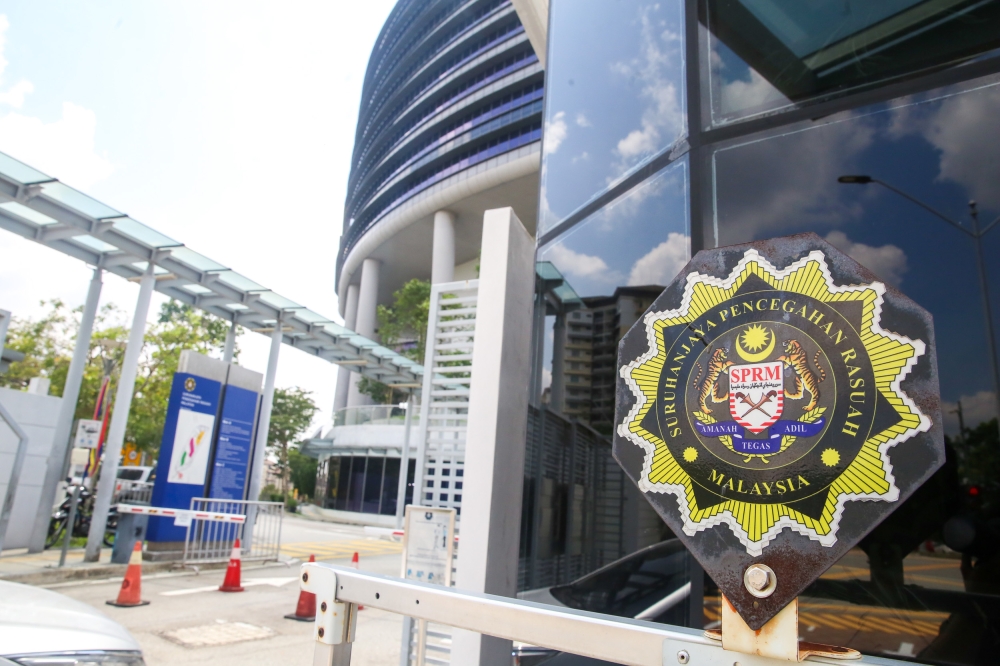
A former government employee is facing four days in custody as the Malaysian Anti-Corruption Commission investigates allegations that he orchestrated a sophisticated identity fraud scheme to siphon RM300,000 in social assistance funds. The suspect was detained by MACC's Kuala Lumpur branch, where investigators are examining how he allegedly accessed and manipulated the personal details of 11 individuals to submit fraudulent claims for welfare payments.
The case underscores a troubling pattern of exploitation within Malaysia's social safety net infrastructure. By using other people's identification information without consent, the accused individual was allegedly able to bypass standard verification procedures and secure government disbursements intended for genuine recipients in financial hardship. The scale of the alleged deception—affecting eleven victims and resulting in a three-hundred-thousand-ringgit loss—suggests a methodical operation rather than isolated opportunism.
What makes this investigation particularly significant for Malaysian policymakers is the apparent ease with which someone with civil service experience could manipulate administrative systems. Former government workers possess institutional knowledge about how welfare applications are processed, where documentation gaps might exist, and how to navigate bureaucratic workflows. This insider perspective may have enabled the suspect to exploit weaknesses that ordinary citizens would struggle to identify or exploit.
The four-day remand period allows investigators to conduct thorough questioning about the mechanics of the alleged scheme. Authorities will likely focus on establishing how the suspect obtained the victims' personal information, whether through data breaches, stolen documents, or social engineering. Understanding the source of compromised data is critical, as it may indicate broader security vulnerabilities affecting other government databases or identity systems.
For the eleven individuals whose details were misused, the implications extend beyond financial loss. Identity theft connected to welfare fraud can damage personal credit records, complicate future benefit applications, and create administrative headaches requiring resolution. These secondary victims may need to file police reports independently and navigate recovery processes that demand significant time and effort.
The investigation also raises questions about documentation controls within aid distribution mechanisms. If a single person could successfully lodge claims using multiple identities, it suggests insufficient cross-referencing between applications, inadequate facial recognition or biometric verification during disbursement, and possibly weak coordination between different government agencies managing welfare programs. These procedural gaps represent systemic problems rather than merely individual misconduct.
Malaysia's social welfare system, while serving millions of legitimate beneficiaries, faces mounting pressure from fraudsters seeking to exploit expanding digital access points. As the government increasingly moves welfare application and payment processes online—particularly accelerated during the pandemic—the attack surface for fraud has expanded proportionally. The shift toward convenience can inadvertently reduce human verification touchpoints where fraudulent applications might be caught.
This case arrives amid broader regional concerns about government benefits fraud. Neighbouring countries have similarly documented schemes where organized groups or individuals manipulate social assistance programs using false identities. The apparent sophistication suggested by the scale of this alleged operation indicates the suspect may not have acted entirely alone, though investigators have not yet disclosed whether others are implicated.
Meanwhile, the investigation process itself demonstrates MACC's expanding remit beyond traditional corruption cases toward financial crimes within welfare administration. While the anti-corruption focus traditionally emphasizes bribery and embezzlement by officials, fraud affecting government disbursements falls within the broader mandate of protecting public funds from misappropriation. This interpretive expansion reflects a practical recognition that fraud harms the public purse as severely as conventional corruption.
For Malaysian civil servants still employed in welfare administration, this case carries implicit cautionary weight. Former colleagues who understand how systems operate face heightened scrutiny if they subsequently engage with those same systems in civilian capacity. The investigation may prompt administrative reviews of how other former staff members interact with government benefit programs they once helped manage.
The coming investigative period will reveal whether the accused operated independently or as part of a coordinated fraud ring. If accomplices exist—whether inside or outside government—the ramifications could expand significantly. Authorities may uncover additional victims and larger loss figures, while potentially identifying systemic vulnerabilities requiring urgent remediation.
Beyond the immediate criminal proceedings, this affair signals the need for comprehensive security audits across Malaysia's welfare infrastructure. Implementing stronger identity verification, improving inter-agency data sharing to flag duplicate claims, and enhancing employee background monitoring for those with administrative access represent practical responses to vulnerabilities this case has exposed. Until such measures are systematically implemented, similar schemes remain disturbingly plausible.

