A former director of Kyaputen Sdn Bhd has been handed a five-year prison sentence following his conviction on charges spanning unlicensed fund management operations and money laundering activities. The Kuala Lumpur Sessions Court delivered the judgment, marking a significant enforcement action by Malaysian regulatory authorities against financial crimes that undermined investor confidence and breached fundamental securities regulations.
Muhamad Fadzli Jamaludin faced a comprehensive prosecution that initially lodged three charges under the Capital Markets and Services Act 2007 when proceedings commenced on November 9, 2023. The Securities Commission Malaysia subsequently added nine further charges under the Anti-Money Laundering, Terrorism Financing and Proceeds of Unlawful Activities 2001 on November 29, 2023, reflecting the interconnected nature of his offences. Both cases proceeded through joint trial, allowing the court to examine the scheme comprehensively and establish the relationship between the fund management breaches and subsequent money laundering activities.
The prosecution's case rested on substantial evidence, with 23 witnesses called to establish the facts. Crucially, six of these witnesses were direct victims whose collective losses reached RM1.263 million, providing direct testimony about the financial harm inflicted through the unlicensed operations. These individuals had entrusted their savings to what they believed were legitimate investment arrangements, only to suffer significant losses. The temporal scope of the criminal activities extended across a nineteen-month period from August 2018 through April 2020, with operations conducted across multiple jurisdictions including Kuala Lumpur and Melaka.
The defence strategy proved unsuccessful in undermining the prosecution's narrative. Fadzli chose to testify under oath in his own defence but called no supporting witnesses to corroborate his account or challenge the prosecution's evidence. Sessions Court judge Puan Hamidah Mohamed Deril found that this defence failed to establish reasonable doubt concerning the prosecution's case, a critical threshold in Malaysian criminal proceedings. The judge's assessment suggested that Fadzli's testimony was insufficient to displace the weight of evidence presented across the trial's course.
Sentencing reflected the severity of the offences. Fadzli received five years imprisonment on each of the twelve counts, with the court ordering these sentences to be served concurrently rather than consecutively. While this approach means the total custodial period is five years rather than a substantially longer term, the concurrent sentencing still represents substantial punishment within the context of white-collar crime prosecutions in Malaysia.
The statutory framework governing these offences establishes considerable potential penalties that were not fully imposed in this case. Under the Capital Markets and Services Act 2007, conviction for unlicensed fund management activity can result in fines reaching RM10 million or imprisonment up to ten years, or both penalties combined. Money laundering convictions carry even more severe potential consequences, with maximum imprisonment of fifteen years and mandatory fines set at the greater of either five times the value of unlawfully derived proceeds or RM5 million. The sentencing in Fadzli's case thus fell below the maximum statutory ranges available to the court.
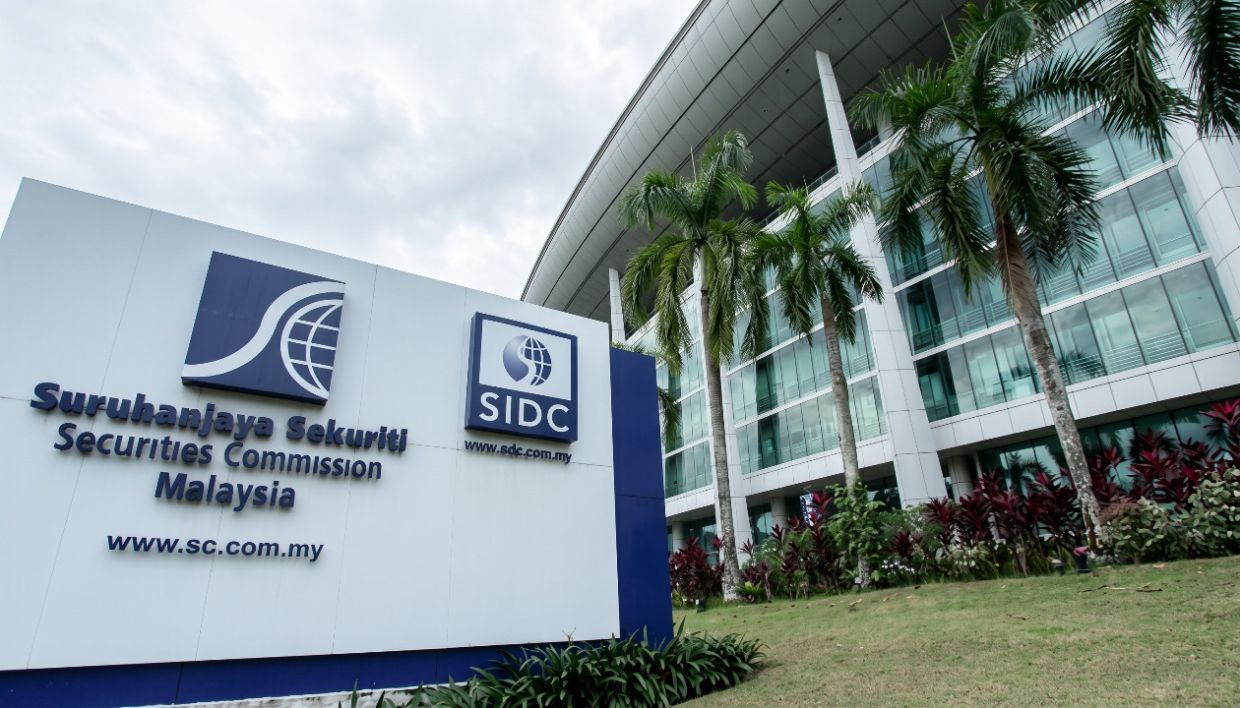
This prosecution underscores ongoing regulatory challenges in Malaysia's financial services landscape. The Securities Commission's action demonstrates commitment to enforcing licensing requirements that protect investors from unqualified practitioners. Fund management operates as a tightly regulated activity, with good reason: the management of client capital requires technical expertise, fiduciary accountability, and regulatory oversight to prevent fraud and misappropriation. When individuals operate without proper licensure, investors lose the protections these requirements provide, including capital adequacy standards, governance frameworks, and disciplinary oversight.
The money laundering component of the charges reflects how unlicensed financial activities frequently involve criminal proceeds. By managing funds without authorisation, operators can more easily disguise the origins of capital, move illicit money through investment vehicles, and obscure beneficial ownership patterns. This integration of unlicensed fund management with money laundering demonstrates how financial crime takes interconnected forms, requiring prosecutors to address both the direct investor fraud and the broader proceeds-of-crime implications.
For Malaysian investors and the broader business community, this case carries important lessons about due diligence in financial dealings. The Securities Commission maintains publicly accessible registries of licensed fund managers and investment advisers, allowing investors to verify credentials before committing capital. Fraudulent schemes typically rely on victims' failure to conduct such verification, or on operators' misrepresentation of their licensing status. The substantial losses suffered by victims in this case underscore the financial consequences of bypassing these protective mechanisms.
The concurrent sentencing approach in this judgment reflects judicial discretion regarding how courts structure sentences across multiple offences. While concurrent sentencing is common practice, some commentators argue that particularly serious financial crimes involving large numbers of victims might justify consecutive sentencing to reflect the cumulative social harm and individual criminal episodes. The court's approach nonetheless ensures Fadzli serves a substantial period of imprisonment and faces permanent professional consequences including disqualification from directorial roles.
Moving forward, the conviction adds to a growing body of enforcement actions demonstrating regulatory determination to address unlicensed financial activities. The Securities Commission continues reminding investors that only licensed individuals and entities operating under its supervision can legally offer fund management services. This messaging becomes increasingly important as alternative investment platforms proliferate and as informal financial networks continue operating outside regulatory frameworks.
The case also highlights the importance of investor education in Southeast Asia more broadly, where diverse regulatory regimes and varying levels of investor sophistication create opportunities for fraudsters. Malaysian regulators' proactive enforcement approach offers a model for regional jurisdictions grappling with similar challenges. As capital markets mature and cross-border investment flows expand across ASEAN, strengthening protections against unlicensed operators and money laundering becomes more critical.

