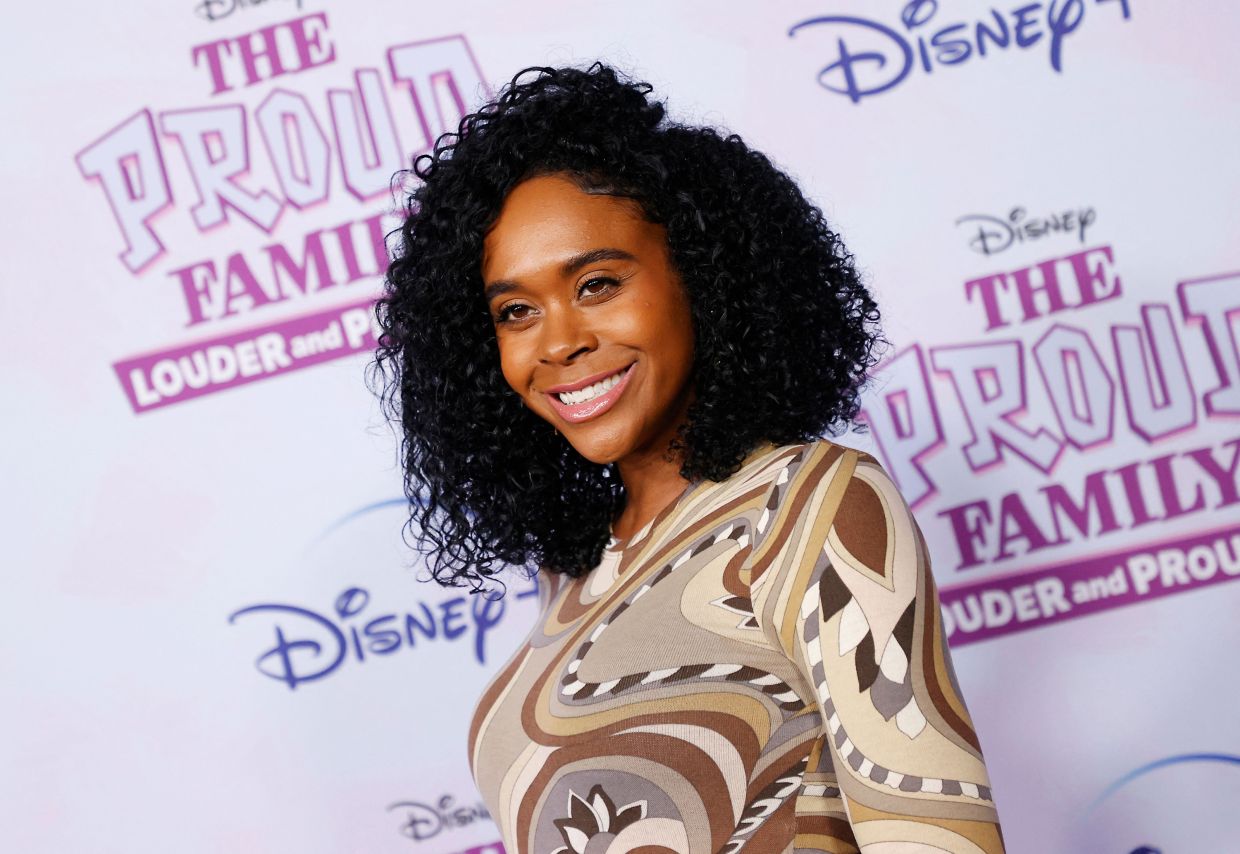
A former child actor has filed a lawsuit against Walt Disney Co. in Los Angeles Superior Court, alleging she endured repeated sexual abuse by a Disney employee while filming a movie as a teenager. According to the complaint, Raquel Lee Bolleau was 14 years old when she was supplied with alcohol and subjected to multiple instances of rape and sexual assault by a middle-aged male employee identified as John Doe, who allegedly justified his actions by telling her she was mature enough to handle the situation.
Bolleau's allegations paint a disturbing picture of institutional failure. The suit contends that the abuse was sufficiently apparent to adults working on the Disney set that the environment became unsafe for children. Despite having clear visibility into the misconduct—with some incidents allegedly occurring in plain view of cast and crew, or even audible to sound technicians monitoring microphones—no one at Disney intervened to protect the young performer. This raises serious questions about workplace culture and the duty of care owed to child actors on set.
The abuse allegedly began during location filming in Utah, where Doe invited Bolleau and her guardian to his hotel room and supplied them with alcohol. After Bolleau became intoxicated and initially left, Doe reportedly invited her back, where the first assault occurred. The pattern of sexual misconduct continued throughout the production, with Bolleau alleging that Doe regularly engaged in inappropriate touching on set, made sexually explicit comments about her body, and rubbed his genitals against her in front of others. The brazenness of these actions suggests a predator operating with virtual impunity within the Disney production environment.
The physical and psychological toll on the young performer became evident as filming progressed. Bolleau's condition deteriorated significantly, manifesting in exhaustion, frequent intoxication, hangovers, vomiting, and an inability to concentrate on her work—a stark departure from her previous professional demeanor. She struggled to remember her lines and her performance visibly declined. Rather than addressing the underlying cause of her distress, Disney executives reportedly responded by attacking, blaming, and threatening both Bolleau and her mother, expressing extreme dissatisfaction with her performance. This failure to investigate or offer support suggests institutional negligence that compounded the trauma.
The alleged abuse extended beyond the filming location. During the flight back to Los Angeles, Doe demanded that Bolleau sit next to him in first class while her guardian remained in economy seating. In what the lawsuit describes as a final act of predatory violation, Doe allegedly sexually assaulted Bolleau on the aircraft. By the time she returned home, Bolleau was devastated, physically unwell, and emotionally traumatized. The experience fundamentally altered her life trajectory—she abandoned her acting career and has spent the past 25 years grappling with severe trauma stemming from both the abuse itself and Disney's systematic failures to protect her.
Bolleau's lawyers, Douglas Wigdor and Jane Kim, frame this case as part of a broader institutional pattern at Disney. The lawsuit draws a connection to the studio's prior failures to adequately respond to sexual misconduct, specifically referencing the Harvey Weinstein scandal. Disney is accused of permitting, facilitating, and actively concealing Weinstein's sexual misconduct, allegations the company has previously denied. This contextualizes Bolleau's experience within a documented history of the entertainment giant's inadequate safeguarding of vulnerable individuals within its organizational structure.
The legal complaint also highlights Disney's troubled history with child safety, pointing to the case of Brian Peck, an acting and dialogue coach on the Disney+ series. In 1997, Disney received complaints regarding Peck's grooming of boys for sexual abuse. Remarkably, after Peck was released from prison and despite his status as a convicted pedophile and registered sex offender, Disney rehired him in 2005 to work on a children's television program. This documented pattern of rehiring known offenders demonstrates an alarming institutional approach to child safety that extends beyond Bolleau's case.
For Malaysian and Southeast Asian readers, this case carries significant implications. The entertainment industry across Asia operates within similar power dynamics, though often with even less robust regulatory oversight than the United States. Child actors in our region frequently face vulnerability without adequate protection mechanisms, and the hierarchical nature of many Asian film and television productions can make reporting abuse difficult. The Bolleau case serves as a cautionary example of how even major studios with substantial resources can fail to implement basic safeguards.
The lawsuit also underscores the importance of accountability mechanisms and whistleblower protections within entertainment organizations. Many production companies in Southeast Asia lack transparent procedures for reporting misconduct, clear duty-of-care protocols for child performers, or independent oversight bodies. The absence of such safeguards creates environments where predators can operate with minimal consequence, much as allegedly occurred in Bolleau's case.
Moreover, the case highlights the devastating long-term consequences of institutional failure to act. Bolleau's abandonment of her career and her ongoing trauma for 25 years represent an immense personal cost. This extends beyond individual justice to raise broader questions about systemic accountability. Her attorneys emphasize that such conduct is inexcusable and that those involved directly or indirectly must be held accountable—a message that resonates across the entertainment industry globally.
The lawsuit places Disney at a critical juncture. Beyond the immediate legal proceedings, the case forces the entertainment industry to confront uncomfortable truths about power imbalances, child protection failures, and institutional complicity. For production companies throughout the region, the Bolleau case underscores the urgent need to establish robust child safety protocols, independent oversight mechanisms, clear reporting procedures, and organizational cultures that prioritize protection over reputation management.
As the legal process unfolds, the case will likely influence how major studios approach child actor protection. The potential consequences—financial liability, reputational damage, and increased regulatory scrutiny—may finally incentivize the entertainment industry to treat child safety as a non-negotiable operational priority rather than an afterthought. For aspiring young actors and their families in Malaysia and Southeast Asia, cases like Bolleau's serve as reminders of the importance of understanding contractual rights, maintaining awareness of workplace dynamics, and knowing where to report concerns without fear of professional retaliation.

