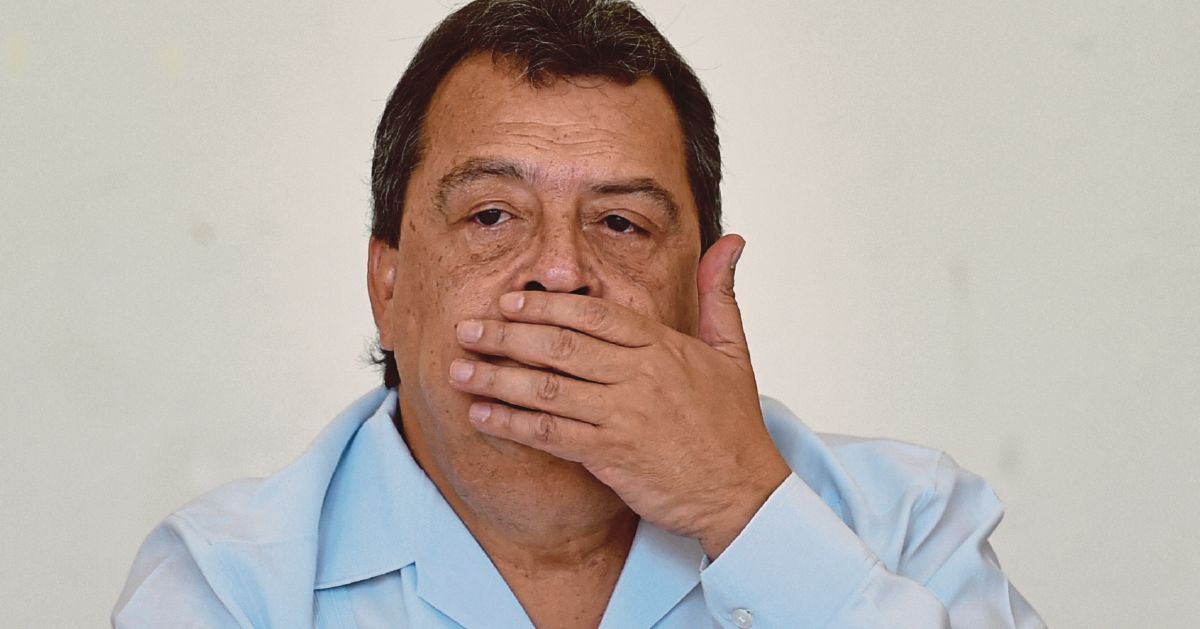
The arrest of a former governor of Mexico's Guerrero state represents a significant development in one of the country's most troubling unsolved cases—the mysterious disappearance of 43 students in 2014 that shocked the nation and drew international scrutiny. Authorities announced the detention on Thursday, charging him with allegedly directing the elimination of evidence that might have provided crucial insights into what happened to the missing students in the coastal state.
The 43 students vanished during the night of September 26-27, 2014, in Iguala, a city in Guerrero, triggering investigations that have exposed fractures within Mexico's law enforcement apparatus and governance structures. The case became emblematic of broader concerns about state capacity, institutional corruption, and the security challenges plaguing Mexico's regions, particularly where powerful criminal organisations operate with apparent impunity. Over the past decade, the investigation has uncovered uncomfortable truths about the involvement of local officials, police forces, and criminal elements in circumstances surrounding the disappearance.
What makes this latest arrest noteworthy is that it explicitly connects high-level political authority to obstruction of justice and evidence tampering. The former governor's alleged involvement in ordering the destruction of materials suggests that senior state officials may have actively worked to conceal information rather than cooperate with investigations. Such allegations intensify questions about institutional complicity that have haunted discussions of the case since 2014, particularly regarding how extensively the state apparatus itself became compromised or compromising in relation to the students' fate.
The timing of the arrest also signals a potential shift in Mexico's approach to accountability in high-profile cases. Under previous administrations, prosecution of prominent political figures for roles in national tragedies proceeded haltingly, if at all. The current willingness to pursue a former governor suggests either improved investigative capacity within Mexican institutions or political determination to address legacy cases that remain unresolved and psychologically significant for Mexican society.
For Malaysian readers and Southeast Asian observers, this case illuminates persistent governance challenges across the region and beyond. Mexico's struggle with institutional accountability mirrors concerns that surface across developing democracies where the line between state authority and criminal enterprise blurs dangerously. The disappearance case has become a referendum on whether governments can credibly investigate and prosecute their own officials when those officials allegedly become entangled in obstruction.
The alleged destruction of evidence compounds the original tragedy. When authorities are suspected of eliminating materials that could clarify events, it denies families basic answers about their relatives' fates and prevents society from understanding institutional failures. The 43 students' families have endured a decade of uncertainty, public speculation, and official inconsistency—each revelation about potential cover-ups retraumatises communities already fractured by loss.
Investigators have previously identified various actors in connection with the disappearance, including local police, federal agents, and members of criminal organisations. The involvement of a sitting governor's office in evidence destruction, if substantiated, would represent a particularly damaging breach of institutional trust. It suggests that at the highest levels of state government, there may have been decisions to prioritise concealment over clarification—a choice with devastating consequences for victims' families.
The arrest reflects ongoing efforts to construct a more complete historical record of what transpired. Multiple investigations, conducted by different teams and under different administrations, have produced competing narratives. Some have suggested the students were handed over to criminal organisations; others have implied involvement of federal forces. The alleged destruction of evidence complicates these competing accounts by potentially eliminating documentation that could arbitrate between conflicting versions of events.
Mexico's judicial system faces enormous pressure to demonstrate that even powerful political figures can face consequences for alleged misconduct. The credibility of institutions depends partly on their willingness to hold elites accountable when evidence of wrongdoing emerges. This case tests whether such accountability can function in practice, particularly when cases involve both political figures and organised crime.
The implications extend beyond Mexico. Cases of forced disappearance, often committed with apparent state involvement or tolerance, have scarred countries throughout Latin America, Asia, and Africa. They represent profound failures of governance and rule of law. Each prosecution of a former official for obstruction or complicity in such cases signals—or fails to signal—whether democratic institutions can ultimately prevail over impunity for powerful actors.
For the families of the 43 students, this arrest offers a sliver of possibility that institutional accountability may finally extend to senior figures. Whether the former governor ultimately faces conviction remains uncertain, but the fact of his detention demonstrates that even years later, the case has not been closed administratively or politically. Ongoing investigations continue probing the architecture of events that unfolded that night in Iguala, potentially bringing distant justice for one of Mexico's most haunting tragedies.

