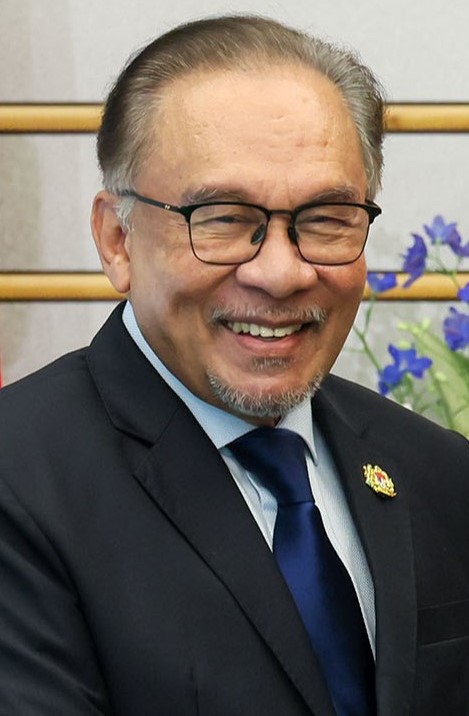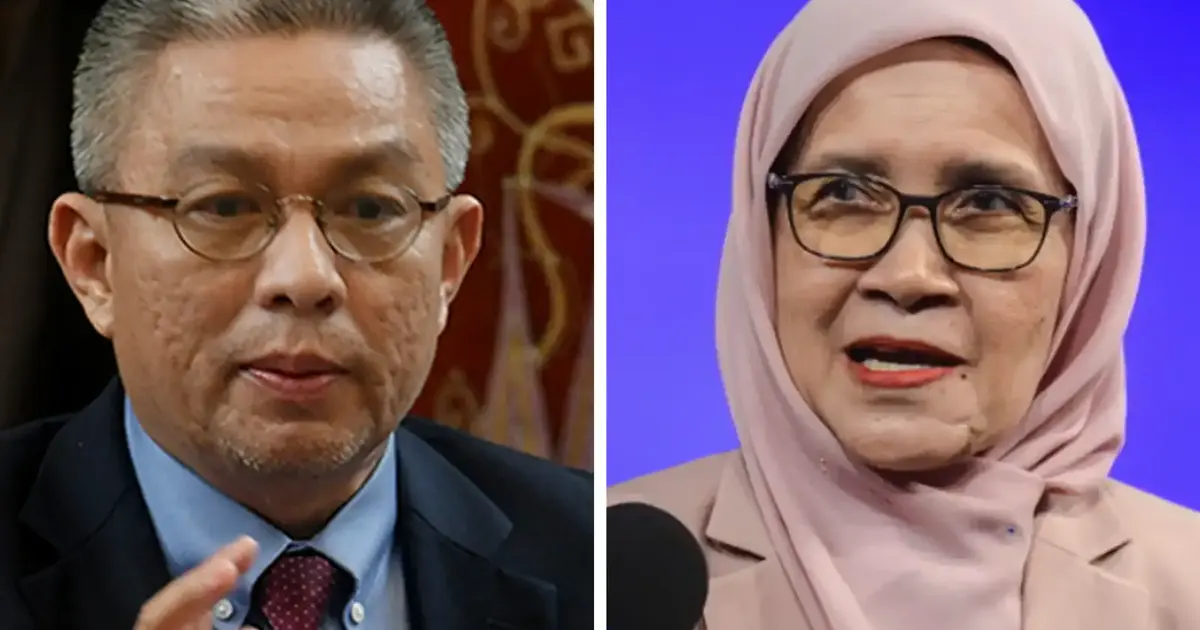
Onn Hafiz Ghazi, the Barisan Nasional chairman for Johor, will seek to retain his Machap state assembly seat as the ruling coalition prepares for upcoming state elections in the southern peninsula. The decision underscores the party's confidence in maintaining its traditional stronghold in Malaysia's most populous state outside the Klang Valley, even as it manages internal dynamics from recent membership movements.
Onn Hafiz's candidacy carries particular significance given his trajectory within the political establishment. His background in healthcare leadership positions him as a senior figure within Umno's hierarchy, bringing administrative experience to what remains a closely contested political landscape. The Machap constituency has historically been a reliable Barisan Nasional territory, though recent election cycles have demonstrated that no seat can be taken entirely for granted as voter sentiments shift across the peninsula.
Johor has long represented a crucial proving ground for Barisan Nasional's electoral strength. The state contributes substantially to the coalition's parliamentary representation and serves as a political bellwether for broader national trends. Maintaining command in Johor is therefore essential for the coalition's narrative of stability and continued public confidence, making the retention of seats held by established party figures all the more strategically important.
The announcement of candidatures for Johor reflects broader Barisan Nasional calculations about resource allocation and leadership positioning ahead of electoral contests. State elections in Johor tend to generate significant national attention, partly because the state's size and economic importance mean that coalition performance there influences perceptions of its viability at the federal level. Onn Hafiz's defence of Machap will thus carry implications beyond the immediate constituency.
Members returning to Umno after periods outside the party have become increasingly common in Malaysian politics, reflecting the fluid nature of coalition memberships and individual political trajectories. Onn Hafiz's status as a returnee may carry nuances within party structures, though his appointment as Johor's Barisan Nasional chairman suggests he maintains substantial standing within leadership circles. Such roles typically go to figures deemed reliable by the party's upper echelon.
The health sector experience that defined portions of Onn Hafiz's career potentially offers electoral appeal in a state where healthcare provision and pandemic-related policies remain fresh in voters' minds. Constituencies often respond positively to candidates perceived as having delivered tangible benefits during their tenure in relevant portfolios, and healthcare remains a universally resonant policy domain across Malaysia's socioeconomic spectrum.
Johor's political complexion has evolved substantially over the past decade. While Barisan Nasional retains organisational advantages and long-established networks throughout the state, opposition parties have demonstrated capacity to challenge in specific constituencies. The coalition cannot rely solely on historical voting patterns; effective campaigning and candidate selection become paramount, particularly in seats where demographic changes have altered voter compositions.
The timing of candidature announcements typically precedes formal election dates by several months, providing campaign machinery time to mobilise organisational resources and conduct necessary grassroots outreach. Onn Hafiz's early confirmation as the Machap candidate signals Barisan Nasional's intention to project confidence in its Johor strategy rather than allow uncertainty about key seats to undermine coalition morale.
Looking ahead, the Machap contest will likely attract scrutiny as analysts assess whether Barisan Nasional can sustain electoral dominance in Johor or whether opposition parties can chip away at the coalition's traditional margins. Results in constituencies like Machap often prove indicative of broader state-level trends, making individual contests significant beyond their immediate geographic scope. The performance of established figures defending long-held seats frequently shapes narratives about coalition momentum heading into and emerging from election cycles.
For Malaysian observers tracking Umno's internal dynamics and Barisan Nasional's electoral prospects, Onn Hafiz's candidacy exemplifies the coalition's reliance on experienced figures to shore up traditional strongholds. His background spanning healthcare administration and party structures provides the kind of multi-faceted profile that Malaysian electoral campaigns often emphasise. The Johor state elections will ultimately determine whether such credentials translate into continued electoral success or whether shifting voter preferences necessitate strategic recalibration within the coalition.