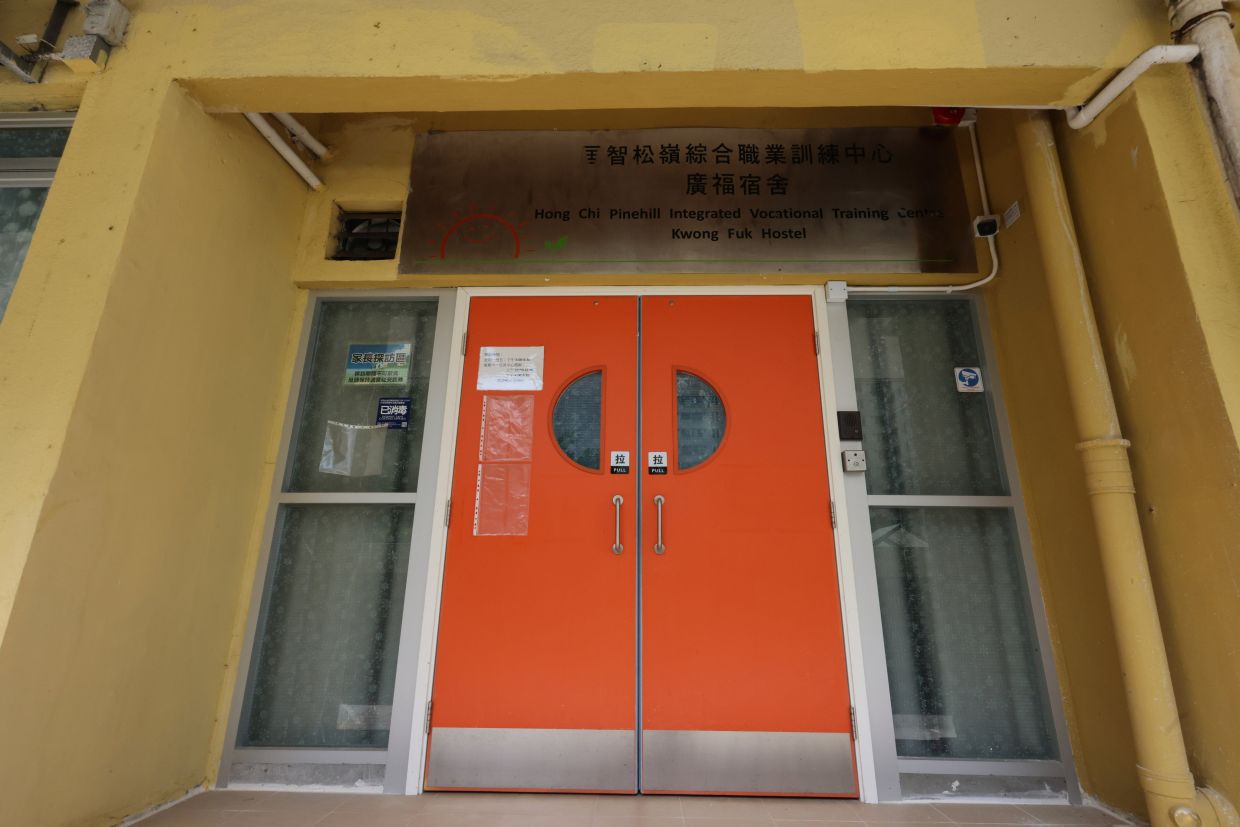
The High Court in Hong Kong is hearing a serious sexual assault case involving a vulnerable young woman and a staff member who worked at the facility where she lived. Chung Pui-kei, a former assistant warden, stands accused of raping an intellectually disabled resident identified as X on five separate occasions between July and August 2024 while employed at a residential home in Tai Po operated by the Chi Association, a longstanding non-governmental organisation that provides care services for people with developmental disabilities across the territory.
Prosecutor Human Lam Hiu-man presented the Crown's case before a jury comprising four men and two women under the oversight of Judge Douglas Yau Tak-hong. The prosecution's evidence is grounded in two video-recorded interviews that police conducted with the victim herself, supplemented by surveillance footage gathered during the investigation. This multimedia approach reflects contemporary criminal investigation practices where documented accounts and technical evidence work in tandem to establish the sequence and circumstances of alleged offences.
Central to the prosecution's argument is the victim's profound intellectual vulnerability. Now aged 23, X possesses cognitive functioning equivalent to that of a child approximately nine years and ten months old. This significant developmental gap creates an inherent power imbalance that prosecutors argue Chung exploited systematically. The alleged perpetrator cultivated familiarity with the victim through apparently benign interactions—engaging her in video games such as Mario Kart, initiating casual conversations, and offering small treats like marshmallows. From X's perspective, these gestures established a foundation of trust that the defendant then allegedly weaponised to commit the assaults.
The locations of the alleged offences reveal a troubling pattern of access and opportunity. Three of the five rapes allegedly occurred within the male staff rest room, an area where the victim would not ordinarily have independent reason to be present. The remaining two incidents allegedly took place in X's own bedroom at the facility—a private space where a resident would naturally expect to be safe from predation. This geographic spread suggests the defendant exploited multiple points of access within the facility's physical layout.
According to the prosecutor's summary of the victim's recollections, the assault pattern followed a consistent sequence: Chung allegedly locked the door to prevent interruption, undressed both himself and the victim, and proceeded with rape. In some instances, X reported experiencing physical pain during the assault and either said "no" or expressed discomfort. However, the victim's fear of being reprimanded by Chung—a staff authority figure—reportedly prevented her from vocally resisting in certain situations. This psychological element underscores how institutional dynamics can silence victims, particularly those with intellectual disabilities who may possess limited advocacy skills or understanding of their rights.
Physical and forensic evidence bolsters the prosecution's narrative. Police officers conducting the investigation discovered condoms and related items within a locker located in the male staff resting room. More significantly, investigators identified a bedsheet from a female resident's room that contained both the defendant's semen and X's DNA. Such biological evidence, when properly documented and analysed, provides corroborating material proof independent of the victim's testimony alone.
Medical professionals have provided expert testimony regarding the victim's psychological and developmental status. Psychiatrist Lydia Lam Yi-ngar from Tai Po Hospital examined X on two occasions in 2024—on August 19 and October 21, following the alleged incidents—and prepared a diagnostic report for the court. The psychiatrist established that X has been diagnosed with bipolar affective disorder and was hospitalised for mental health issues in both 2018 and 2021. However, the doctor testified that since her discharge, X has remained stable through medication and requires only routine clinical monitoring.
A critical aspect of the defence strategy has involved questioning whether the victim's cognitive state might have affected her ability to accurately perceive or recall the identity of her alleged attacker. Defence counsel Lawrence Hui Cheuk-lun queried whether patients with bipolar affective disorder could experience hallucinations that might distort perception of facial features if they were not consistent with medication regimens. He also probed whether X had been reliably taking her prescribed medications during July 2024 at the time of the alleged offences.
The prosecution countered these suggestions through expert testimony. Psychiatrist Lam clarified that hallucinations are not a recognised side effect of valproate sodium, one of the two medications X was prescribed as a mood stabiliser. Furthermore, medical evidence indicated that blood test results from the victim demonstrated drug levels consistent with the required therapeutic dosage, suggesting she had been taking her medication as prescribed. This biochemical confirmation effectively undermined the defence's attempt to establish medication non-compliance as an explanation for potentially unreliable recollection.
Clinical psychologist Wong Yik-tung from the Social Welfare Department conducted formal assessments of X's intellectual capacity and was scheduled to continue providing evidence on Monday, suggesting the trial remains in early stages. The involvement of both psychiatric and psychological expertise reflects the case's complexity in establishing the victim's baseline cognitive functioning, her capacity to consent, and her ability to reliably communicate her experiences to authorities.
This case carries broader implications for institutional safeguarding in Hong Kong and across Southeast Asia. Residential facilities caring for intellectually disabled adults often operate with limited external oversight, creating environments where staff misconduct can potentially occur without immediate detection. The Chi Association's scale—operating multiple residential facilities across the territory—means institutional failures at one site could theoretically indicate systemic vulnerabilities requiring territory-wide review.
The trial also highlights the particular vulnerability of intellectually disabled residents to sexual exploitation by those in positions of institutional authority. Staff members have both physical access to residents and psychological authority that can be manipulated to silence victims. Questions about whether proper safeguarding protocols were in place, whether facility management conducted appropriate background checks, and whether supervision systems existed to protect vulnerable residents will likely become significant factors in public discussion following the trial's conclusion.
As the case proceeds through the judicial system, the jury will need to evaluate the totality of evidence—the victim's testimony despite her intellectual disabilities, corroborating forensic material, expert psychological assessment, and the defence's alternative explanations. The outcome will not only determine Chung Pui-kei's criminal liability but may also influence how care facilities across the region approach safeguarding procedures for their most vulnerable residents.

