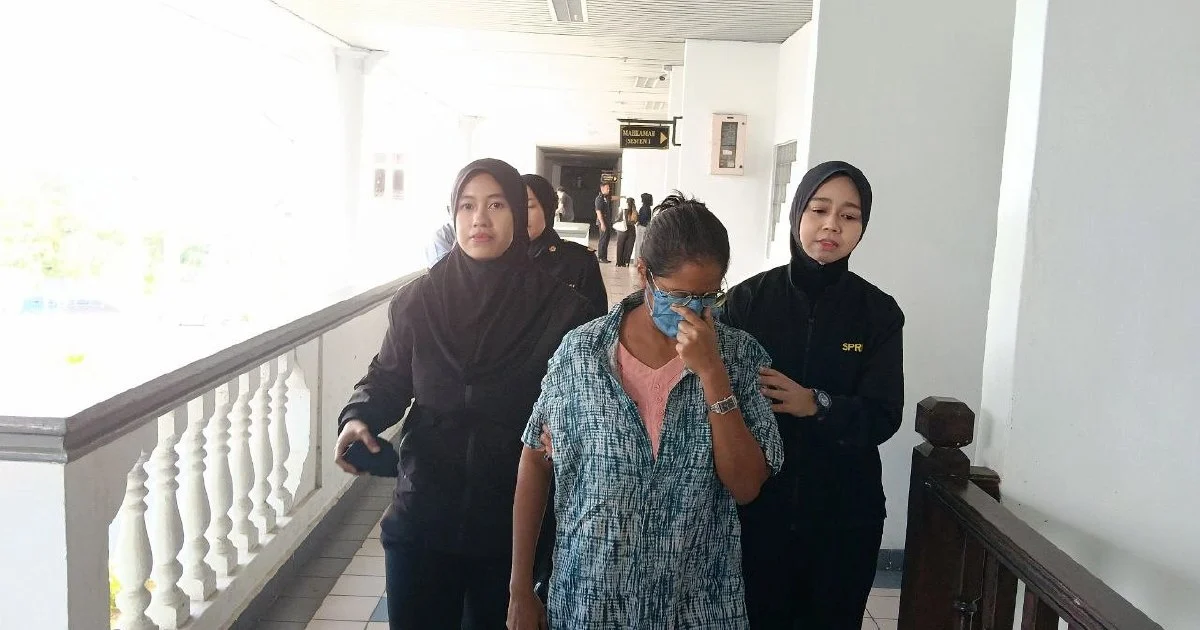
A former high-ranking civil servant in Melaka has been arraigned in court on multiple allegations of embezzling public funds and defrauding members of the state executive council. The Ayer Keroh Sessions Court heard charges against the ex-official relating to the misappropriation of more than RM60,000, marking a significant case of alleged financial misconduct within the state administrative apparatus.
The defendant, who previously held a senior position in the Melaka civil service, now faces seven distinct charges encompassing both direct misappropriation and fraudulent deception. The nature of these allegations—targeting fellow executive members—suggests a breach of trust at the highest levels of state governance. Such cases are particularly significant because they undermine public confidence in the integrity of state institutions and raise questions about the adequacy of internal controls and oversight mechanisms within government agencies.
The specific quantum of RM60,000 involved in the allegations is substantial enough to suggest systematic rather than opportunistic misconduct. This threshold amount typically indicates multiple transactions or prolonged irregularities rather than isolated incidents. For Malaysian readers concerned with governance standards, such cases demonstrate the extent to which financial safeguards can be circumvented by officials with access to administrative systems and institutional trust.
The decision to prosecute this matter reflects the commitment of relevant enforcement authorities to hold public officials accountable for breaches of fiduciary duty. In Melaka, where state governance has been subject to periodic scrutiny, this case arrives amid broader conversations about administrative accountability and the need for strengthened audit trails within government departments. The prosecution sends a clear message that seniority or previous standing offers no protection against legal consequences for financial impropriety.
For the state civil service, the implications extend beyond the immediate case. Incidents involving senior officials engaging in financial misconduct can create systemic vulnerabilities and erode morale among honest colleagues. They also necessitate reviews of existing protocols governing fund management, approval processes, and financial reporting. State governments across Malaysia increasingly recognise that preventing such incidents requires multi-layered oversight, including regular audits, segregation of duties, and transparent transaction monitoring systems.
The targeting of executive council members in the alleged deception adds another dimension to the seriousness of the charges. Members of a state exco occupy positions of high public trust and bear responsibility for government operations. That they may have been intentionally misled regarding financial matters represents not merely a crime against the state but a violation of the confidence reposed in these officials to oversee public resources appropriately.
The legal proceedings now underway will examine documentary evidence, transaction records, and testimonies to establish whether the accused improperly diverted public funds for personal benefit or other unauthorised purposes. The court will need to demonstrate clear evidence of intent to deceive and concrete proof of misappropriation. Such cases often involve forensic accounting expertise to reconstruct financial trails and establish the movement of funds outside authorised channels.
For Malaysia's broader governance landscape, this Melaka case is emblematic of enforcement mechanisms gradually strengthening at the state level. While federal anti-corruption bodies have long conducted high-profile investigations, the prosecution of senior state-level officials in the ordinary courts demonstrates that accountability structures are extending throughout the civil service hierarchy. This development should theoretically encourage greater financial discipline among all ranks of state administrations.
The case also underscores why continuous training and ethical refreshers remain essential for government officials. Many cases of financial misconduct involve individuals who were not initially corrupt but gradually rationalised breaches of procedure through incrementalism and familiarity. Institutional cultures that normalise cutting corners in fund management can enable the transition from minor irregularities to substantial embezzlement over time.
Moving forward, this prosecution may trigger broader reviews within the Melaka state administration of its internal control frameworks. Other state governments watching the proceedings may similarly conduct audits of their own fund management procedures, particularly those governing expenditures by senior officials. The outcome of this case will likely inform future strengthening of financial governance protocols across Malaysian state administrations.
The arraignment represents just the beginning of the judicial process. As the case progresses through the court system, evidence will be presented and examined, establishing either culpability or reasonable doubt. For residents of Melaka and observers of state governance generally, the matter highlights the importance of robust institutions and constant vigilance in safeguarding public resources from misappropriation by those entrusted with their administration.

