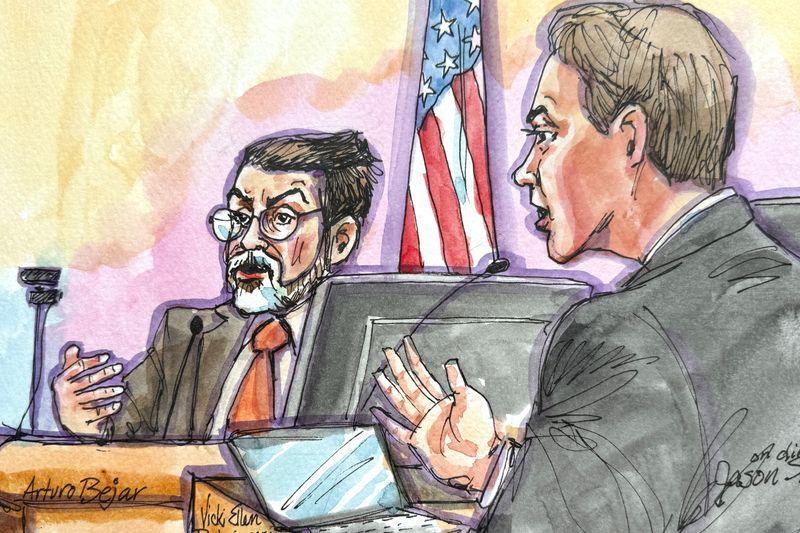
Arturo Bejar, a onetime engineering director at Meta who left the company in 2015 and later returned as an independent contractor, took the stand for a second day of testimony in a potentially transformative lawsuit against Facebook and Instagram's parent company. The trial, unfolding in Oakland, California, represents the most significant legal challenge yet to the social media industry's practices affecting children and adolescents, with a coalition of states asserting that Meta knowingly engineered its platforms to addict young users while systematically misleading the public about safety measures and illegally harvesting personal data from children under 13.
Bejar's appearance as the trial's opening witness carries substantial weight given his credibility as an insider. During his two stints at Meta—first as a full-time employee from 2009 to 2015, then as a consultant between 2019 and 2021—he participated in research examining how Instagram affected teenage wellbeing. His willingness to publicly challenge his former employer's approach to youth safety has made him a central figure in multiple legal proceedings against the company, turning him into what amounts to a repeat witness against one of the world's most powerful technology corporations.
The core of Bejar's testimony centres on a striking gap between what Meta's internal metrics claimed and the actual suffering experienced by young users. He has highlighted how the company's surveillance apparatus focused narrowly on measuring policy violations rather than quantifying genuine harm. This distinction matters profoundly: a platform might remove thousands of violating posts daily while young people continue experiencing anxiety, depression, or social damage from what remains visible. Bejar communicated these concerns directly to Meta's chief product officer, Chris Cox, in written correspondence that he has now presented to the jury, arguing that parents and regulators were systematically kept ignorant of the true extent of youth suffering.
The trial itself encompasses separate categories of allegations that, taken together, paint a portrait of systemic misconduct. California, Colorado, Kentucky, and New Jersey are pursuing claims that Meta deliberately engineered addictive features triggering mental health crises among teenagers. Simultaneously, 29 states are pursuing distinct federal claims that Meta violated data protection law by improperly collecting and monetising personal information from users under 13. This multi-pronged legal strategy reflects how comprehensively the company's practices are now being questioned across American jurisdictions.
For Malaysian and Southeast Asian observers, this trial carries indirect but meaningful implications. Meta's business model and platform architecture—developed in the United States—are deployed globally with minimal variation. What happens in Oakland courtrooms today may influence how regulators in Malaysia, Singapore, and the region approach social media governance tomorrow. Already, several Southeast Asian countries have begun tightening regulations around data collection and youth protection, citing concerns about foreign technology companies' practices. A substantial US judgment against Meta could accelerate these moves and embolden local regulators to demand platform modifications.
Bejar's previous testimony before the US Senate in 2023 established that Meta's leadership was aware teenagers faced harassment and psychological harm on Facebook and Instagram but failed to adequately intervene. His testimony on this trial's opening days reinforces that narrative, suggesting institutional knowledge of problems coupled with insufficient remedial action. This pattern—knowing about harms yet maintaining status quo systems—forms the backbone of the states' case that Meta's behaviour constituted not merely negligence but deliberate wrongdoing.
The company has mounted a vigorous defence, arguing that Bejar's opinions exceed what his work at Meta qualified him to assess and denying all allegations. Meta has also attempted to discredit Bejar by highlighting that he deleted communications with other former employees using the encrypted messaging application Signal, claiming he failed to properly preserve evidence. US District Judge Yvonne Gonzalez Rogers, presiding over the case, rejected this blocking attempt, characterising it as a desperate gambit to exclude testimony from a crucial prosecution witness. This judicial decision underscores how substantial the judge views Bejar's credibility and relevance.
The stakes extend beyond this single case. Meta faces thousands of similar lawsuits alleging harm to children, and Bejar has already testified in three cases that proceeded to trial. One lawsuit from New Mexico resulted in a $942 million damages verdict plus an order compelling Meta to restructure its platforms within that state. Each successful case against Meta—whether through jury verdict or settlement—raises the financial and reputational costs of maintaining current practices, potentially forcing the company toward more substantial changes in how it manages young users' experiences.
The trial's expected six-week duration reflects the complexity of evidence required to prove Meta's intentional misconduct. Prosecutors must demonstrate not merely that harm occurred, but that the company deliberately engineered systems to maximise engagement and profit despite knowing the consequences for vulnerable users. Bejar's technical expertise and firsthand knowledge of Meta's internal decision-making processes make him uniquely positioned to bridge this gap between what regulators suspected and what insiders knew.
For technology platforms operating across Southeast Asia, the American legal system's willingness to scrutinise social media's youth impacts signals shifting expectations about corporate responsibility. Malaysian policymakers, in particular, have expressed growing concern about mental health impacts among teenagers who use Facebook and Instagram extensively. This trial may provide evidence and precedent that reinforces arguments for stronger local regulation of algorithm design and data practices affecting minors.
Bejar's continued testimony also reflects a broader phenomenon: technology industry insiders increasingly willing to publicly challenge their former employers' ethical practices. This willingness to testify under oath, despite potential professional consequences, suggests that internal concerns about social media's youth impacts have become too substantial to ignore or suppress. Whether juries ultimately hold Meta fully accountable remains uncertain, but the trial itself demonstrates that American legal institutions are now seriously engaging with questions about social media's role in youth mental health crises.

