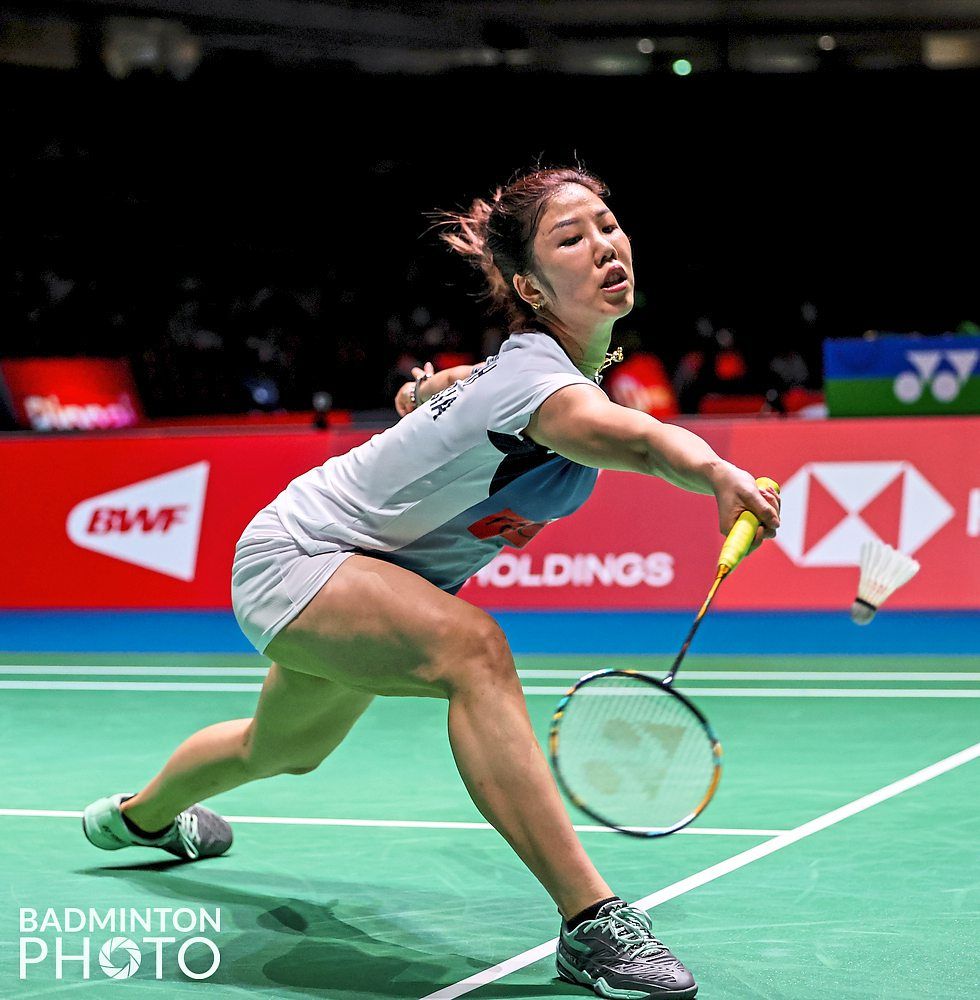
Soniia Cheah, a former national women's singles badminton player, has ended her tenure as sports director of the Kuala Lumpur Badminton Association (KLBA) after just four months in the role. The 33-year-old's resignation became effective on Wednesday, marking an abrupt conclusion to a position she assumed in February on a one-year contract.
While Cheah refrained from publicly detailing the exact reasons for her departure, she confirmed that the decision emerged from a careful evaluation of her position within the organization. The resignation reflects a fundamental disagreement regarding governance and operational practices at the association, according to her statement to journalists. She indicated that continuing in her role would have required her to compromise on deeply held professional convictions, a prospect she found untenable.
"My decision to step down as KLBA sports director was made after careful consideration. There were certain matters within the association that, in my view, were not aligned with my principles as an ex-national player," Cheah explained. She emphasized that her departure stems from institutional concerns rather than interpersonal conflicts, distinguishing between disagreements with specific individuals and broader structural or policy-related issues that troubled her.
Cheah's commitment to the sport and its development remained evident in her statement, as she articulated her concern that remaining in the position while holding reservations about organizational direction would undermine her effectiveness. "As someone who is passionate about the sport, I felt it would be difficult for me to continue in the role while compromising on those principles," she noted. Her departure signals a potential broader issue within KLBA governance that may warrant institutional scrutiny and remedial action.
The departing director emphasized that her resignation ought to function as a catalyst for organizational review and reform. She expressed hope that the KLBA would utilize her exit as an opportunity to examine and address the underlying concerns she identified, thereby redirecting institutional focus toward advancing the interests of young players within the association's development pipelines. This constructive framing suggests Cheah's concerns relate to athlete welfare, training standards, or competitive opportunity allocation.
Despite her abbreviated tenure, Cheah maintained warm professional relations with the athletes under her supervision. She expressed genuine gratitude toward the players she mentored during her four-month engagement, indicating that her disagreement centered on administrative rather than coaching or interpersonal matters. Her final assignment involved coordinating the Kuala Lumpur contingent at the Affin 100Plus Junior Elite Tour Finals, held the previous week at Stadium Juara in Bukit Kiara, positioning her departure after a competitive event rather than mid-season.
Cheah's career trajectory reflects the challenges facing elite Malaysian badminton athletes navigating transitions beyond competitive play. As Malaysia's top-ranked women's singles shuttler during her playing career, she represented the country at the Tokyo Olympics, achieving recognition on the international circuit. Her playing career concluded in 2022 following persistent complications from an Achilles tendon injury, a recurring condition that ultimately curtailed her competitive prospects despite her demonstrated talent and national ranking.
The timing of her administrative departure carries broader implications for badminton governance in Malaysia's capital region. Leadership transitions within development-focused sporting bodies can affect recruitment strategies, training methodologies, and player advancement pathways. The KLBA's ability to retain experienced former athletes in leadership positions depends partly on organizational receptiveness to candid feedback and willingness to implement progressive reforms addressing systemic concerns.
Cheah's brief stint underscores a recurring pattern where accomplished former athletes encounter challenges when transitioning into administrative roles, particularly when organizational cultures prioritize established practices over principle-driven evolution. Her educational background and experience as Malaysia's elite women's shuttler presumably equipped her with distinctive perspectives on athlete development, injury management, and competitive preparation—expertise that should theoretically align with institutional objectives.
The KLBA will now need to address the vacant sports director position while simultaneously examining the organizational issues Cheah identified. Whether the association responds by implementing reforms or seeks to fill the vacancy with candidates more amenable to existing practices will indicate the organization's receptiveness to change. Given the competitive pressures facing Malaysian badminton at regional and international levels, institutional stability and credibility in talent development mechanisms remain paramount.
Cheah's decision to prioritize professional principles over continued employment demonstrates the ethical considerations many former athletes confront when entering administrative domains. Her willingness to resign rather than compromise suggests the matters in question carried sufficient significance to outweigh the professional advantages of maintaining her position. For Malaysian badminton observers, her departure raises questions about KLBA governance and the association's commitment to the values and practices necessary for sustained competitive development.

