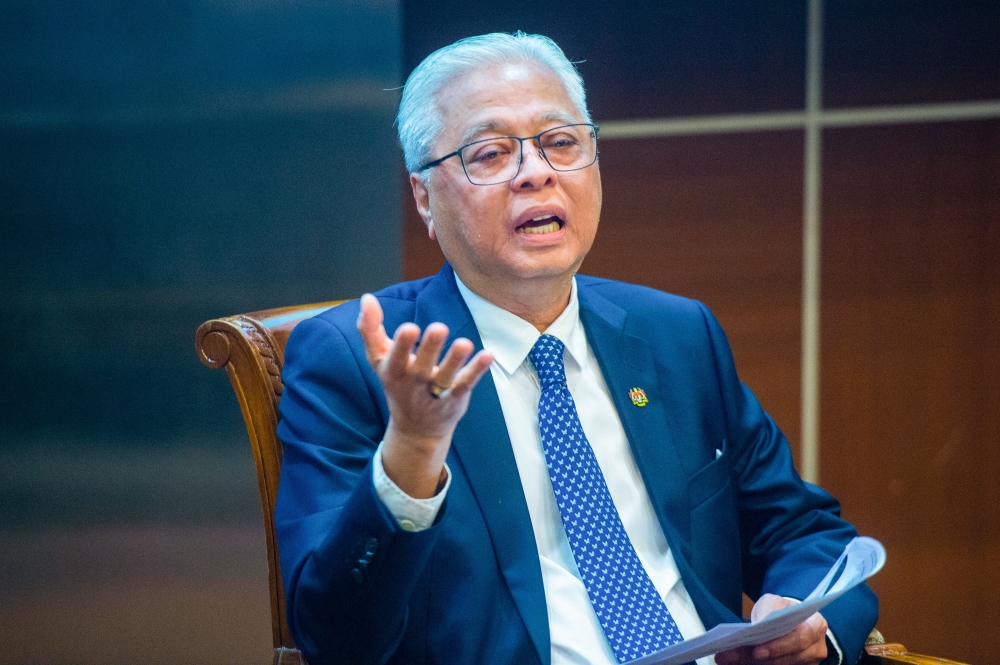
Former Prime Minister Datuk Seri Ismail Sabri Yaakob is recovering in stable condition following the successful implantation of a pacemaker at Institut Jantung Negara (IJN) on August 7. The surgical intervention, conducted by a team of cardiologists at Malaysia's premier cardiac care facility, has proceeded without complications, and the 65-year-old former leader is progressing positively through his post-operative phase.
The decision to undergo pacemaker implantation underscores ongoing efforts within Malaysia's medical community to address age-related cardiac concerns through advanced technological interventions. Pacemaker surgery represents one of the most common cardiovascular procedures performed globally, involving the insertion of a small electronic device beneath the collarbone that regulates abnormal heart rhythms. For patients experiencing bradycardia—a condition characterised by an abnormally slow heartbeat—such implants can substantially improve quality of life and reduce the risk of cardiac complications.
Ismail Sabri's medical situation reflects broader health challenges facing senior political figures across Southeast Asia, where advancing age frequently intersects with increasing demands of public service. His tenure as Prime Minister from 2021 to 2022 occurred during a particularly turbulent period in Malaysian politics, encompassing the post-pandemic economic recovery and persistent parliamentary instability. The former UMNO leader has maintained a visible presence in political discourse since stepping down from the premiership, continuing to engage with party matters and legislative proceedings.
The IJN, located in the Kuala Lumpur metropolitan area, has established itself as a centre of excellence for cardiovascular medicine in the region. The institution regularly performs hundreds of pacemaker implantations annually and maintains clinical standards consistent with international best practices. The success of Ismail Sabri's procedure reflects the hospital's technical capabilities and the expertise of its medical personnel in managing complex cardiac cases among older patients.
From a political perspective, the situation brings into focus questions regarding the health and stamina requirements implicit in Malaysian political life at the highest levels. While Ismail Sabri is no longer serving as Prime Minister, he remains an influential figure within UMNO and continues parliamentary duties as a Member of Dewan Rakyat. His recovery and subsequent return to active political engagement will be monitored closely by political observers and within his party hierarchy, particularly as UMNO navigates internal leadership dynamics and broader coalition politics.
The medical intervention required coordination between multiple healthcare stakeholders, including specialists in electrophysiology, cardiac surgery, and anaesthesia. Post-operative monitoring protocols at IJN typically involve several days of continuous cardiac assessment to ensure proper device function and to identify any potential complications early. Hospital officials have indicated that Ismail Sabri's condition permits optimism regarding his recovery trajectory and eventual return to routine activities.
In Malaysia's healthcare landscape, the availability of advanced cardiac procedures at facilities like IJN demonstrates the nation's progress in developing domestic medical expertise and infrastructure. Rather than seeking treatment abroad, high-profile patients can now access world-class cardiac care within the country, a development that reflects decades of investment in medical training and hospital modernisation. This capability has significant implications for Malaysia's standing as a regional medical hub and influences health tourism patterns across Southeast Asia.
For Malaysian readers and observers of political developments, Ismail Sabri's recovery assumes particular importance given his continued role in parliamentary affairs and party politics. The former Prime Minister's health status carries implications for UMNO's strategic positioning and internal succession considerations. His steady recuperation supports the continuity of his political activities and maintains his ability to contribute to party deliberations and legislative processes.
The successful pacemaker implantation also serves as a reminder of the importance of preventive cardiac screening and timely medical intervention among the aging population, including political figures who often face demanding schedules and high-stress environments. Medical professionals emphasise that early detection of cardiac abnormalities and prompt treatment can significantly alter health outcomes and quality of life for affected individuals.
As Ismail Sabri progresses through his recovery, the focus within medical and political circles will remain on his rehabilitation and return to full functionality. Hospital authorities have not specified an exact discharge timeline, though pacemaker patients typically resume normal activities within several weeks following successful implantation. His case will undoubtedly serve as a point of reference within Malaysian political and medical communities regarding the intersection of advanced healthcare technology and public life.

