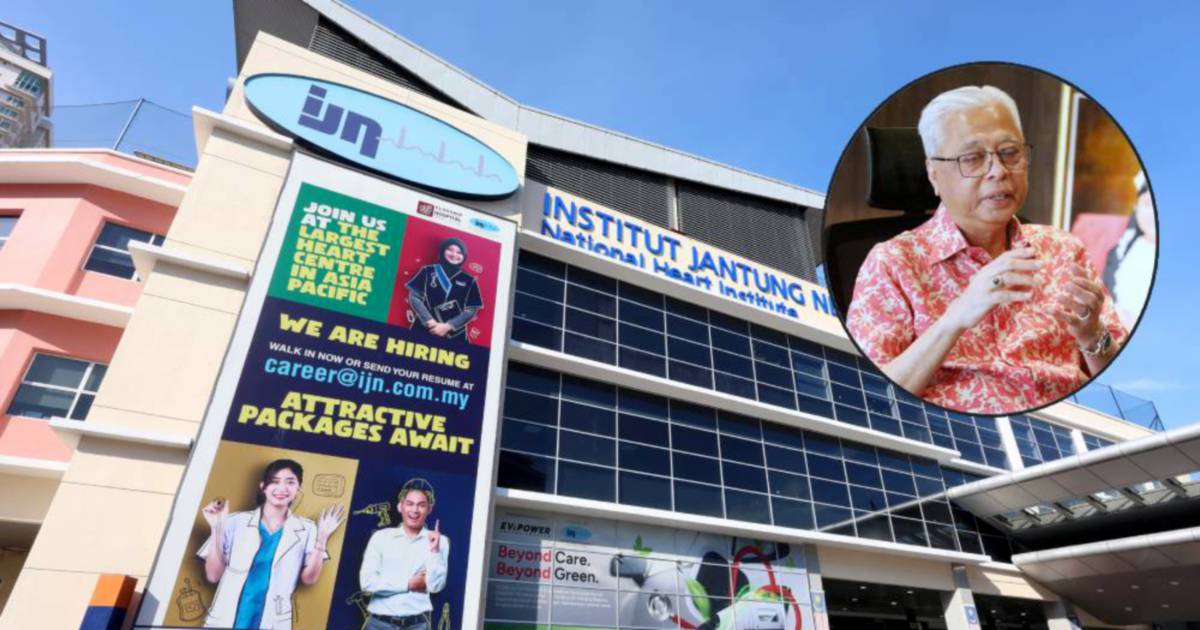
Former Prime Minister Datuk Seri Ismail Sabri Yaakob has completed treatment for a cardiac condition after doctors at the National Heart Institute (IJN) in Kuala Lumpur implanted a leadless pacemaker device to regulate his heart rhythm. The procedure was successful, marking an important step in managing his health condition, with medical advisors recommending a period of rest during his recovery phase.
The decision to proceed with the pacemaker implantation followed Ismail Sabri's admission to the premier cardiac care facility after he developed an abnormal heart rhythm. Such conditions, medically termed arrhythmias, can range from benign to serious depending on their nature and duration. The discovery of his cardiac irregularity prompted immediate specialist assessment and eventual intervention through the implantation of a modern medical device.
Leadless pacemakers represent a significant advancement in cardiac technology compared to traditional models. Unlike conventional pacemakers that require leads—thin wires connecting the device to the heart—leadless variants are self-contained units implanted directly into the heart chamber. This innovation reduces potential complications associated with lead placement and extraction, offering patients a more streamlined approach to managing rhythm disorders. The technology has gained increasing adoption across Malaysian and regional medical facilities in recent years.
For high-profile political figures such as Ismail Sabri, who served as Malaysia's Prime Minister from August 2021 to November 2022, medical procedures inevitably attract public attention. His case highlights the reality that cardiac health issues can affect individuals across all professions and social standings. The transparency surrounding his treatment demonstrates a growing openness among Malaysian public figures regarding health matters, potentially encouraging others to seek timely medical intervention for similar symptoms.
The National Heart Institute, where Ismail Sabri received treatment, stands as Malaysia's leading specialized cardiac hospital and research institution. Based in Kuala Lumpur, IJN has established itself as a regional centre of excellence for complex heart conditions and interventional procedures. The facility's expertise in implanting advanced devices like leadless pacemakers reflects the sophisticated level of cardiac care available within Malaysia's healthcare infrastructure.
Abnormal heart rhythms can arise from various underlying causes, including structural heart disease, hypertension, thyroid disorders, or simply age-related changes in cardiac tissue. Treatment approaches vary depending on the specific type of arrhythmia and its clinical significance. While some cases respond to medication alone, others require interventional procedures such as pacemaker implantation to restore normal cardiac function and prevent potentially serious complications.
The recovery period following pacemaker implantation typically involves restricted physical activity for several weeks to allow proper healing of the implantation site and secure positioning of the device. Patients generally receive detailed post-procedure instructions from their medical team, which may include limitations on arm movement, heavy lifting, and strenuous exercise. Ismail Sabri's medical advisors' recommendation for rest aligns with standard post-operative care protocols employed across cardiac centres worldwide.
From a broader perspective, Ismail Sabri's successful procedure underscores Malaysian healthcare's capacity to deliver world-class cardiac interventions. The availability of leadless pacemaker technology at domestic facilities reduces the necessity for patients to seek treatment abroad, though some individuals continue to pursue additional opinions or care outside Malaysia. The case also reflects global trends in cardiac care, where technological innovation continues to improve patient outcomes and quality of life.
The former Prime Minister's return to health carries implications beyond personal wellness. As a prominent public figure and active politician, his recovery trajectory will likely be followed with interest by supporters and observers. Malaysia's political landscape has seen several prominent figures navigate health challenges in recent years, with Ismail Sabri's case joining a broader narrative about age, health, and continued public engagement among senior leaders.
Looking ahead, successful pacemaker implantation typically provides patients with substantially improved quality of life, enabling return to normal daily activities and work responsibilities within appropriate timeframes. Long-term outcomes depend on various factors including underlying cardiac status, medication adherence, and regular follow-up monitoring. Modern pacemakers include remote monitoring capabilities, allowing cardiologists to assess device function and cardiac rhythms without requiring frequent in-person clinic visits, an advantage particularly valuable in managing patients with demanding schedules.
Ismail Sabri's medical team will likely establish a comprehensive follow-up programme involving periodic device checks, clinical assessments, and imaging studies to ensure optimal cardiac function. Patient education regarding device limitations and activity restrictions forms a crucial component of post-implantation care. The former Prime Minister's experience, should he choose to discuss it publicly, may contribute to greater awareness among Malaysian citizens regarding available cardiac treatments and the importance of timely medical intervention for rhythm disturbances.

