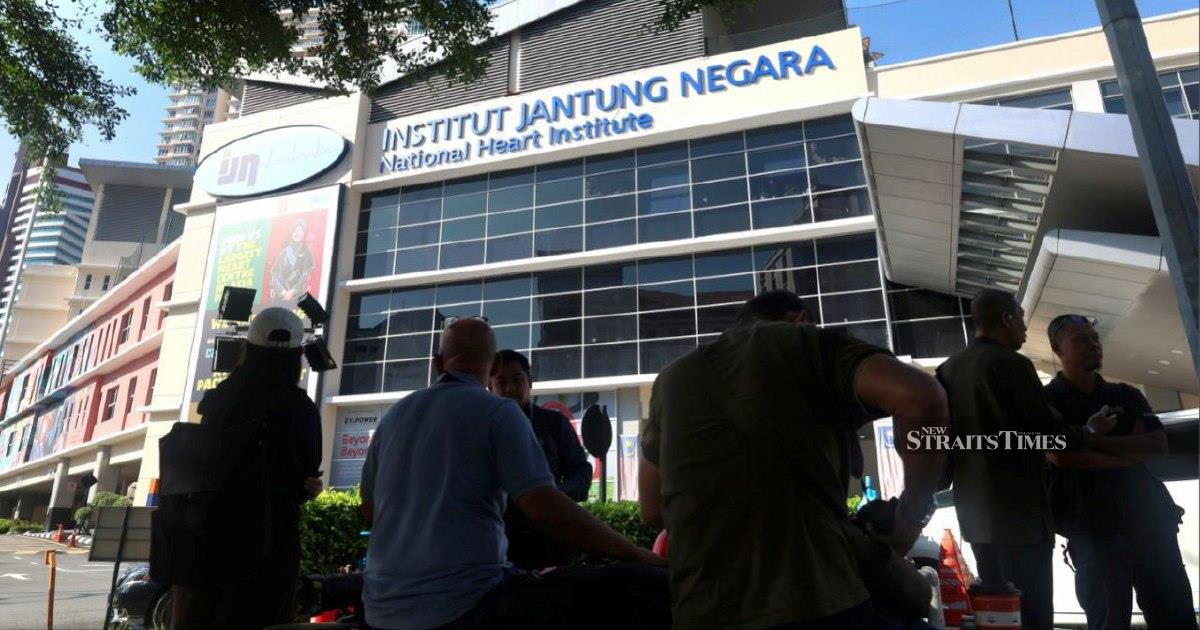
Former Prime Minister Datuk Seri Ismail Sabri Yaakob is scheduled to undergo pacemaker implantation at the National Heart Institute (IJN) in Kuala Lumpur following a diagnosis of irregular heartbeat, his lawyer announced earlier this week. The surgical procedure represents a significant health intervention for the country's eighth prime minister, who led the nation from August 2021 to November 2022 during a tumultuous period marked by political instability and escalating inflationary pressures.
The decision to implant a pacemaker addresses what medical professionals identify as an arrhythmia condition, a cardiac rhythm abnormality that can range from relatively minor fluctuations to potentially dangerous variations affecting blood circulation and organ function. Pacemakers operate as sophisticated electronic devices that monitor the heart's electrical activity continuously and deliver therapeutic electrical impulses when the natural rhythm becomes too slow or dangerously irregular, thereby restoring proper cardiac function and reducing risk of stroke or sudden cardiac events.
The National Heart Institute, Malaysia's premier cardiovascular care facility, performs thousands of such procedures annually and maintains internationally recognised standards in cardiac intervention. Located in the Kuala Lumpur medical hub, IJN serves as the national referral centre for complex heart conditions and provides advanced electrophysiology services. The institute's expertise in managing rhythm disorders through device implantation places it among Southeast Asia's leading cardiac centres.
Ismail Sabri's health situation comes during a period when his political profile remains relatively prominent in Malaysian public discourse. Following his tenure as Prime Minister, he has maintained involvement in Umno party politics and continues holding significant positions within Malaysia's political establishment. His departure from office in November 2022 concluded a premiership marked by considerable political turbulence, as his coalition government struggled to maintain parliamentary majority amid defections and shifting alliances among coalition partners.
The timing and nature of his medical condition underscore broader health concerns affecting Malaysian political figures and the general population. Cardiac conditions, particularly arrhythmias, affect hundreds of thousands of Malaysians, with increasing prevalence attributed to lifestyle factors, stress levels, ageing demographics, and pre-existing cardiovascular risk factors. The visibility of prominent figures undergoing such procedures can heighten public awareness regarding the importance of cardiac screening and early intervention.
Pacemaker technology has evolved dramatically over recent decades, with modern devices incorporating sophisticated algorithms, extended battery life spanning a decade or longer, and remote monitoring capabilities allowing physicians to assess device function and patient cardiac status without requiring physical office visits. This technological advancement has transformed management of rhythm disorders, enabling patients to maintain relatively normal activity levels while receiving continuous therapeutic support.
The procedure itself, though significant, typically involves minimally invasive surgical techniques wherein the device is implanted beneath the skin near the collarbone, with leads inserted into heart chambers through blood vessels. Recovery generally follows an established clinical pathway, with most patients resuming normal activities within several weeks following appropriate cardiac rehabilitation. Modern anaesthetic techniques and surgical expertise have rendered the procedure relatively routine, though individual outcomes depend on overall health status and associated comorbidities.
For Malaysian observers, Ismail Sabri's medical intervention highlights the accessibility and quality of cardiac care available domestically. Unlike previous generations requiring international travel for advanced cardiac procedures, contemporary Malaysia possesses world-class cardiovascular facilities capable of delivering sophisticated therapeutic interventions comparable to international standards. This represents significant progress in the nation's healthcare infrastructure development over the past two decades.
The broader context of cardiac health in Southeast Asia reveals concerning epidemiological trends, with cardiovascular disease representing the leading cause of mortality across the region. Malaysia's developing economy has paradoxically contributed to increasing disease burden as lifestyle changes, urbanisation, and dietary transitions have elevated prevalence of obesity, diabetes, and hypertension—all significant risk factors for arrhythmias and cardiac events. Public health authorities across the region have consequently escalated prevention campaigns and screening initiatives targeting at-risk populations.
Ismail Sabri's decision to undergo the procedure publicly, with his legal representation confirming the intervention to media outlets, reflects a broader cultural shift toward greater transparency regarding health matters among Malaysian public figures. Such openness potentially normalises seeking appropriate medical care and reduces stigma associated with cardiac conditions, thereby potentially encouraging broader population screening and intervention when clinically indicated.
Looking forward, successful pacemaker implantation should enable Ismail Sabri to maintain his current level of political and social engagement, though appropriate activity modification and ongoing cardiac monitoring will remain essential components of long-term disease management. His recovery trajectory will be monitored closely by IJN's experienced cardiac team, following established post-implantation care protocols designed to optimise device function and patient outcomes.

