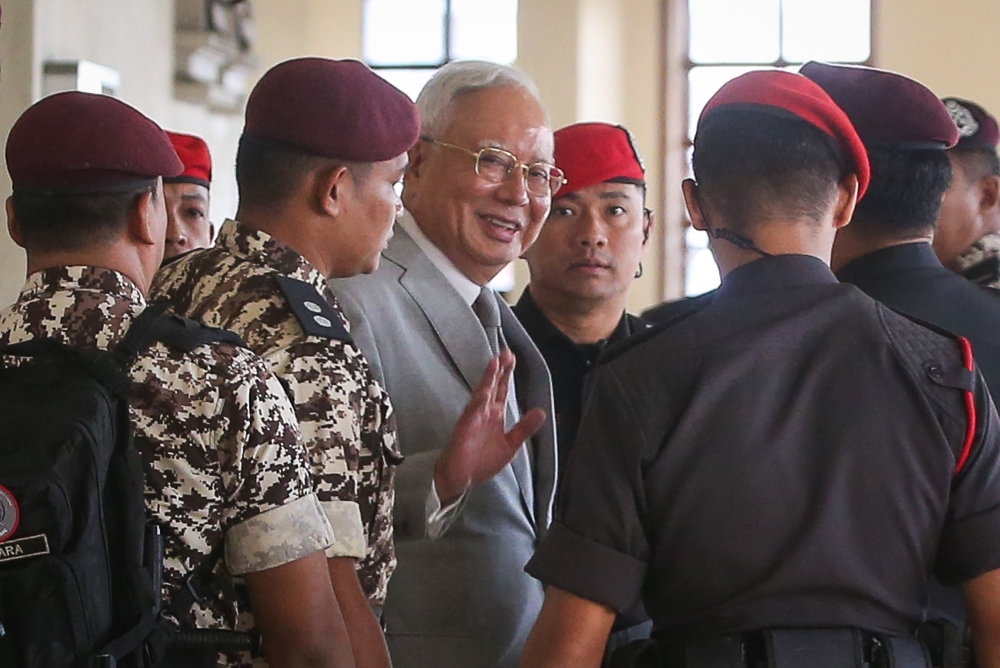
Datuk Seri Najib Razak, who served as Malaysia's sixth Prime Minister until 2018, has been cleared for a forthcoming cardiovascular procedure, his legal counsel confirmed on July 17. The confirmation emerged as the former leader navigates ongoing legal commitments while addressing health concerns that necessitate medical intervention.
The procedure represents a significant health milestone for Najib, whose political trajectory has been marked by dramatic shifts in circumstance following his 2018 electoral defeat. Since stepping down from office, the Pekan Member of Parliament has faced an extensive legal campaign centred on his administration's handling of state funds, particularly allegations connected to the 1Malaysia Development Berhad investment vehicle. This latest health development adds another dimension to the public narrative surrounding one of modern Malaysia's most polarizing political figures.
Najib's legal team provided the confirmation in their official capacity, underscoring the procedural transparency expected from high-profile individuals facing judicial scrutiny. The scheduling of the procedure demonstrates coordination between his medical providers and legal representatives, ensuring that his health management occurs alongside his continued appearance obligations in the justice system. This careful orchestration reflects the complex reality of managing a public health event when the subject is simultaneously engaged in high-stakes legal proceedings.
The former premier's health situation carries implications beyond personal concern, as it intersects with Malaysia's broader political conversation about accountability and the mechanisms through which the nation addresses allegations of financial mismanagement at the highest levels of government. Najib's legal battles have dominated domestic discourse for years, crystallizing debates about governance, transparency, and the separation of powers between the executive and judiciary.
Cardiovascular procedures of the nature anticipated for Najib are typically routine in modern medical practice, though the prominence of the patient ensures significant public attention. The procedure's timing and management will likely be scrutinized not merely for its medical aspects but for what it signals about Najib's capacity to continue fulfilling his parliamentary responsibilities and legal obligations. Malaysian political observers have previously noted how health matters involving senior politicians often intersect with broader questions of fitness for duty and public accountability.
The confirmation by his legal representatives establishes a clear timeline for the procedure, allowing the court system and relevant stakeholders to coordinate accordingly. This procedural clarity is essential for maintaining the integrity of ongoing legal proceedings while respecting the health needs of the individual involved. The dual responsibility of managing both a serious medical condition and active litigation represents a complex situation that will likely test Malaysia's institutional capacity for balancing these competing demands.
Najib's trajectory from the highest office in the nation to his current circumstances exemplifies the dramatic reversals that have characterized Malaysian politics in recent years. His tenure saw ambitious economic initiatives and significant international engagement, yet it concluded amid mounting concerns about financial management and accountability. The health procedure announcement serves as a reminder that even prominent political figures remain subject to the ordinary human experience of aging and medical necessity.
The scheduling of the procedure occurs within a political environment that continues to grapple with questions about how Malaysia addresses past governance issues while building institutional credibility for the future. The treatment of high-profile cases involving former leaders sends powerful signals about the nation's commitment to the rule of law and transparent institutions. Najib's situation remains a focal point for these broader institutional questions, with each development in his legal and personal circumstances attracting significant scrutiny from analysts, journalists, and the general public.
For regional observers, the continuing saga surrounding Malaysia's former premier illuminates broader questions about how Southeast Asian democracies manage transitions of power, address allegations of financial impropriety, and balance institutional demands with individual rights. The apparent normalcy of managing health procedures within an active legal framework underscores how Malaysia's legal system continues functioning even as it addresses unprecedented challenges. The confirmation from Najib's legal team suggests that the system itself is proving sufficiently robust to accommodate these complexities, though questions about efficiency and timeliness continue to animate public debate.
Looking ahead, the procedure represents a transition point in Najib's ongoing engagement with Malaysia's legal and political systems. His recovery period may influence his capacity to maintain his parliamentary seat and respond to legal developments with full participation. The broader implications for Malaysian politics remain uncertain, but the health development underscores how personal circumstances, institutional processes, and political narratives intersect in the cases of prominent figures navigating contemporary governance challenges.

