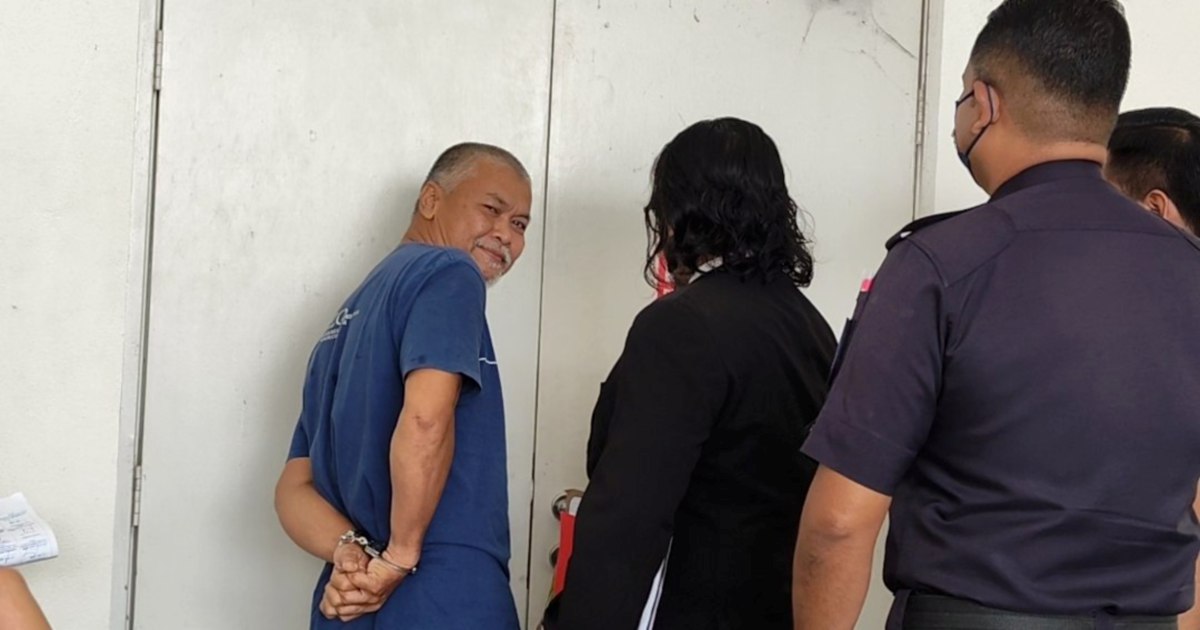
A former soldier appeared before courts in Kangar today facing five separate charges related to the unlicensed possession of firearms and ammunition seized during an operation earlier this month. The case underscores growing concerns about weapons proliferation among retired military personnel in Malaysia, a pattern that law enforcement agencies have been actively monitoring across the country.
The defendant was brought before both the Sessions Court and magistrate's court to hear the charges, which collectively allege the unauthorised holding of a firearm, counterfeit weapons designed to resemble genuine arms, and several hundred rounds of live ammunition. The breadth of the charges suggests authorities uncovered a substantial stockpile during their search, pointing to systematic violations of Malaysia's strict firearms regulations rather than a minor transgression.
The discovery occurred in early this month in what investigators describe as an enforcement operation targeting illegal weapons caches. Details of the specific location and how authorities identified the cache remain under investigation, though the scale of ammunition involved indicates this was not a case of one or two stray cartridges but rather a deliberate accumulation of weaponry. The involvement of former military personnel in such cases has become sufficiently notable to warrant heightened scrutiny from relevant authorities.
Malaysia maintains comprehensive legislation governing firearm ownership, with civilian access severely restricted and military-issued weapons subject to strict accounting measures. Former servicemen are particularly subject to these regulations, as they must surrender all issued weapons upon discharge and face prosecution if discovered retaining military-standard arms or ammunition. The charges laid suggest the defendant retained weapons beyond his service period without proper decommissioning or authorisation.
This incident reflects a broader challenge facing Malaysian law enforcement agencies as they contend with residual weapons from discharged personnel. Investigations across the region have periodically uncovered caches held by former soldiers, suggesting either inadequate decommissioning procedures, deliberate retention of weapons for illicit purposes, or both. The problem extends beyond Malaysia, with regional counterparts also grappling with similar cases involving former military and paramilitary personnel.
The use of imitation weapons specifically mentioned in the charges points to potential involvement in the illegal firearms supply chain. Such counterfeit arms are sometimes used to deceive purchasers in underground markets or to circumvent detection at checkpoints, making their possession particularly concerning from a public security standpoint. The combination of genuine firearms, false weapons, and substantial ammunition quantities suggests this was not a collection kept for personal nostalgia but rather stockpiled for potential illicit distribution.
The Kangar location in Perlis, Malaysia's smallest state by population, may seem an unlikely centre for such an operation, but smaller towns and rural areas across the country have increasingly become focus points for weapons enforcement. The relative isolation and less intensive monitoring compared to urban centres can inadvertently create spaces where such violations develop over time before detection. Police regional commands have acknowledged the need for sustained surveillance beyond major cities.
For former military personnel across Southeast Asia, this prosecution serves as a sharp reminder of authorities' commitment to enforcing weapons laws without exception for service history. The military background of the defendant does not exempt him from standard criminal procedures or penalties, though courts sometimes consider prior service during sentencing deliberations. The severity of the charges and the apparent sophistication of the cache suggest prosecutors will pursue maximum penalties.
The case also highlights the distinction between civilian and military justice systems in Malaysia. While the defendant is being processed through civilian courts, military authorities may pursue parallel administrative action regarding his discharge status or pension entitlements, depending on the circumstances surrounding his separation from service and the nature of his weapon retention.
From a broader security perspective, each recovered cache represents weapons kept out of circulation, but it also indicates that detection systems, while functional, may not be capturing all illegal caches nationwide. Intelligence-sharing between military discharge offices, customs authorities, and police forces remains crucial for identifying former personnel with suspicious activities or undeclared weapons holdings.
The upcoming court proceedings will likely establish whether the defendant operated independently or formed part of a wider network involved in illicit weapons distribution. Prosecutors will need to demonstrate unauthorisation, which typically involves showing the defendant held no special permits or licences permitting such possession. Defence arguments may centre on claims of ownership rights or necessity, though Malaysian firearms law leaves minimal room for such defences.
The resolution of this case will provide clarity on prosecution strategies for similar violations and may influence how military pension and discharge processes are refined to prevent future retention of weapons. Depending on sentencing, it could also set precedent for handling comparable cases involving former service personnel across Malaysian states.

