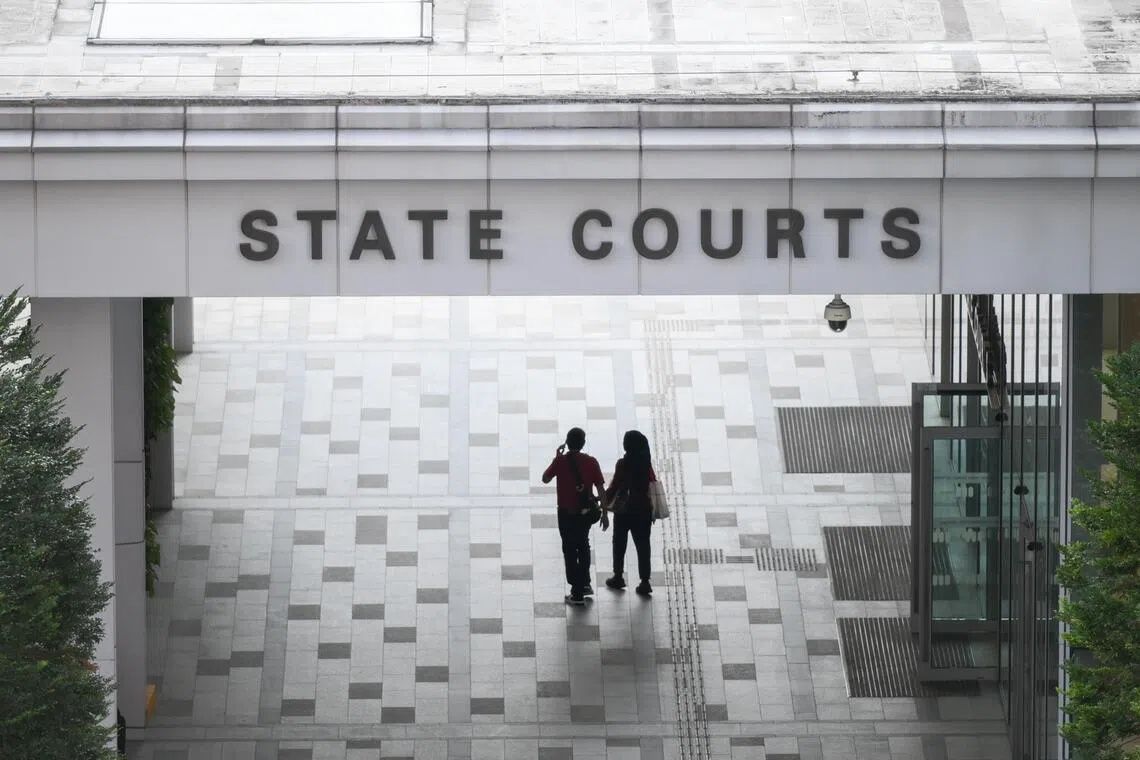
Singapore authorities have moved to prosecute a 65-year-old former bank manager who stands accused of pilfering nearly S$1.8 million from her institution's vault during a period spanning from May 2021 to August 2022. The woman, who held the position of branch manager, is scheduled to face formal charges on Wednesday, July 1, according to a police statement released on Tuesday, June 30.
The alleged embezzlement scheme represents a significant breach of fiduciary responsibility, with the accused woman having misappropriated a total of S$1,729,000 during her tenure. Police investigations revealed that she diverted these funds toward repaying personal loans and financing gambling pursuits. What distinguishes this case is the systematic nature of the concealment effort—the woman allegedly tampered with the bank's cash book records on no fewer than 206 separate occasions to mask the disappearance of funds and evade internal audit detection.
The investigation uncovered a more complex web of wrongdoing than a simple theft. The majority of the stolen money did not remain in the hands of the primary accused but instead flowed to a second individual, a 36-year-old woman who functioned as an intermediary channelling funds into Singapore's gambling ecosystem. Between December 2021 and September 2022, this accomplice gambled away S$1,521,509 at licensed local casinos and transferred an additional S$790,106 to various third-party bank accounts explicitly for participation in illegal remote gambling platforms, which operate outside Singapore's regulated framework.
The primary accused herself directly placed wagers at casino tables, cashing in S$42,405 during the conspiracy period. This dual pathway of fund deployment—partly through official casinos and partly through unregulated offshore gambling channels—suggests a coordinated effort to distribute the illicit proceeds across multiple venues to further complicate tracking and recovery efforts.
The charging framework reflects the seriousness with which Singapore's legal system treats such offences. The 65-year-old former bank manager faces two amalgamated counts of criminal breach of trust by an employee, two counts of falsification of accounts, three counts related to transferring benefits of criminal conduct, and a single count of using criminal benefits. The sentencing exposure is substantial: conviction could result in imprisonment for up to 15 years, a fine reaching S$500,000, or both penalties applied concurrently.
Her accomplice confronts a separate but serious charging schedule. The 36-year-old faces three amalgamated counts for using benefits of criminal conduct and one count specifically for illegal remote gambling. While her potential sentence is somewhat less severe than the primary accused's, the maximum remains draconian by many international standards—up to 10 years imprisonment and a fine of S$500,000.
For Malaysia and other Southeast Asian nations observing this case, the implications extend beyond immediate criminal justice concerns. Singapore's banking sector has long positioned itself as a regional financial hub built on reputation for stability and integrity. Cases such as this, involving a person in a position of institutional trust, threaten the confidence that international investors and depositors place in the city-state's financial architecture. While the swift identification and prosecution of the accused may reassure markets that oversight mechanisms function effectively, the sheer quantum of the theft and the duration of the conspiracy highlight vulnerabilities in internal controls that merit examination across the region's banking industry.
The involvement of illegal remote gambling platforms in the money laundering chain carries particular significance for Southeast Asia, where cross-border online betting operations remain a persistent regulatory challenge. The transfer of S$790,106 to third-party accounts for remote gambling purposes illustrates how financial crimes in one jurisdiction become entangled with unregulated gambling networks that often operate from jurisdictions beyond regional law enforcement reach. This pattern mirrors challenges that Malaysian authorities have confronted in combating illicit online betting syndicates that exploit technological connectivity to circumvent national gambling prohibitions.
Singapore's police statement emphasised the institutional dimension of the offence, noting that such breaches of trust by persons in positions of authority "undermine corporate governance and erode public confidence in the integrity of Singapore's financial system." This framing acknowledges that crimes of this magnitude inflict reputational damage extending far beyond the immediate victim institution. The commitment to prosecute not only the principal perpetrator but also individuals who facilitate and benefit from such schemes signals a comprehensive approach to dismantling criminal ecosystems rather than addressing isolated incidents.
The 206 instances of falsified records represent systematic and deliberate deception rather than opportunistic misappropriation, suggesting the accused possessed detailed knowledge of internal audit procedures and maintained sufficient operational access to repeatedly manipulate documentation without immediate detection. This pattern prompts questions about segregation of duties within the branch's cash management processes and the adequacy of supervisory oversight mechanisms—questions that banking regulators throughout Asia will likely examine in coming months.
As Singapore moves toward trial proceedings, the case will likely generate substantial attention among banking compliance professionals across the region. The detailed manner in which the accused exploited her positional advantages, the duration of the conspiracy, and the mechanisms through which stolen funds migrated into the gambling sector collectively create instructive parallels for institutions throughout Malaysia and neighbouring economies seeking to strengthen controls against internal fraud. The prosecution will serve as both a cautionary example and a demonstration of how comprehensively authorities can reconstruct financial crimes through banking records, surveillance cooperation, and inter-agency coordination.

