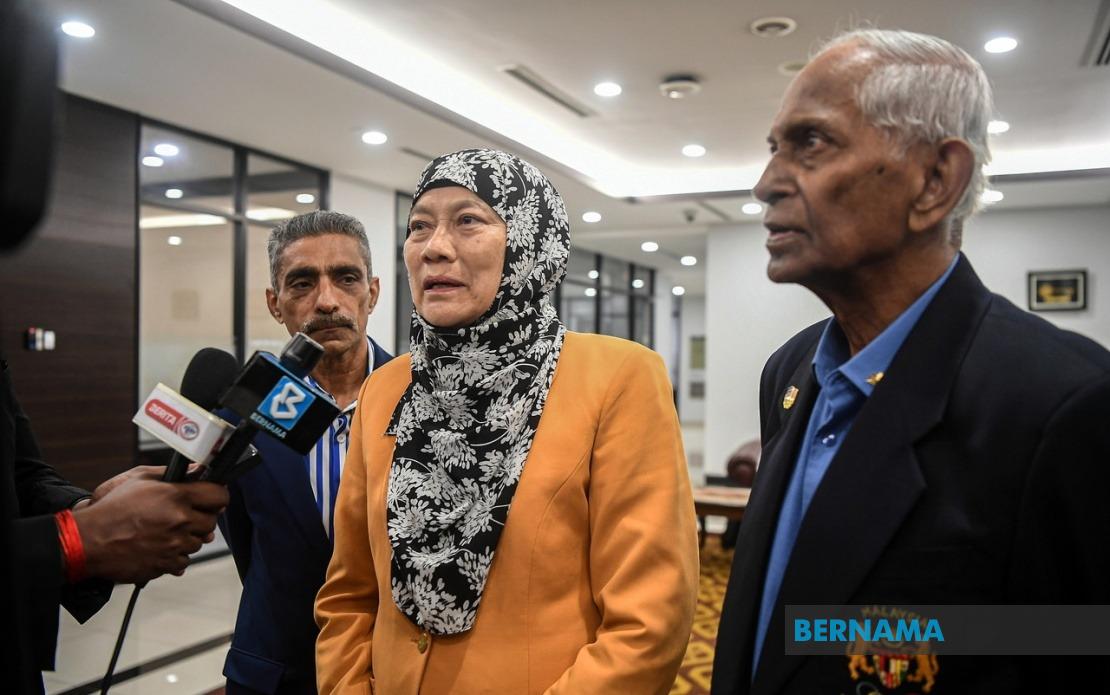
Former Sports Commissioner Datuk Zaiton Othman has sounded a stark warning to Malaysia Athletics, cautioning that inadequate governance practices and failure to align with international regulatory frameworks could precipitate serious consequences for the sport at both regional and global levels. Speaking at Parliament following a meeting with Youth and Sports Minister Dr Mohammed Taufiq Johari, Zaiton emphasised that Malaysia Athletics must demonstrate rigorous compliance with the constitution and operational guidelines established by World Athletics, the international governing body that oversees competitive track and field globally.
The implications of governance failures extend far beyond administrative inconvenience. Should World Athletics determine that Malaysia Athletics has breached its constitutional obligations, the federation faces potential suspension or deregistration—outcomes that would reverberate across the entire Malaysian athletics ecosystem. Such punitive measures would effectively bar the nation's athletes from participating in World Athletics-sanctioned international competitions, creating a sporting isolation that would hinder career development and limit opportunities for elite performers to achieve global recognition.
The timing of these warnings carries particular urgency given Malaysia's designation as host nation for the 2027 SEA Games. Athletics represents one of the marquee sports at the Southeast Asian Games, second only to swimming and shooting in terms of medal contribution. The prospect of Malaysia being unable to organise competitive athletics events at its own regional showcase—or worse, being prevented from fielding a strong domestic contingent—presents an embarrassment that extends beyond mere competitive disappointment. This scenario would undermine the very foundation of hosting rights and could damage Malaysia's standing as a reliable steward of major sporting events.
Zaiton, an Olympian and former heptathlon competitor renowned as the 'Iron Woman' for her endurance achievements, articulated the concern with particular acuity: as the designated host nation, Malaysia would be uniquely vulnerable to the paradox of unable to organise its signature sporting event. This preoccupation motivated her formal engagement with the Youth and Sports Ministry, undertaken alongside other prominent sporting figures including Olympian Datuk Karu Selvaratnam and former National Athletes Welfare Foundation chairman Datuk Noorul Ariffin Abdul Majeed. Their collective representation, channelled through the Reformation in Sports and Excellence (RISE) initiative, reflected widespread concern among former athletes and Olympians that governance irregularities could directly compromise the competitive prospects and international careers of current national athletes.
The governance crisis stems partly from constitutional incongruities between Malaysia Athletics' internal framework and World Athletics' requirements. Malaysia Athletics President Karim Ibrahim took leave of absence in recent weeks preceding the scheduled Annual General Meeting, with explicit intention to facilitate constitutional amendments that would harmonise the federation's governance structure with World Athletics standards. This tactical step, though necessary, underscores the serious nature of the compliance deficiencies that had accumulated.
Karim's personal history adds another layer of complexity to the governance discussion. In 2018, World Athletics imposed a suspension on Karim that was subsequently upheld by the Court of Arbitration for Sport following appeal. Despite this disciplinary action, Karim retained eligibility to contest and serve on the Asian Athletics Federation Executive Council during the 2019-2023 term, demonstrating the nuanced nature of international sporting sanctions. His continued role in Asian-level governance while addressing domestic federation challenges creates additional scrutiny around decision-making processes and constitutional clarity.
The regulatory framework governing sports associations in Malaysia provides the government with specific mechanisms to enforce standards, though constitutional limitations prevent direct administrative intervention. The Sports Development Act 1997 explicitly authorises the Sports Ministry and the Sports Commissioner to implement corrective measures and ensure that national sports associations operate within prescribed regulatory parameters. This legislative foundation establishes clear authority for oversight while respecting the operational independence that competitive sporting bodies require to function effectively.
The athletics discipline itself warrants protection given its profound contribution to Malaysia's SEA Games performance. Track and field events at the regional Games provide 47 gold medal opportunities across various distances, relay combinations, and technical disciplines. The flagship 100-metre sprint and 4x100-metre relay events carry particular prestige and attract intense regional competition. Ensuring that Malaysian sprinters and distance runners operate under internationally recognised governance standards strengthens rather than constrains their competitive prospects.
The broader concern articulated by Zaiton and her colleagues reflects a sophisticated understanding that athletic excellence depends substantially on institutional credibility. When a national federation operates outside accepted international norms, athletes face suspicion regarding the legitimacy of their achievements, regardless of individual merit. International meet organisers, rival nations, and media scrutineers may question competition validity, athlete eligibility, and administrative transparency. These reputational damages accumulate regardless of actual individual athlete conduct, creating an unfair penalty for performers who had no role in governance failures.
Moving forward, Malaysia Athletics must prioritise swift constitutional alignment with World Athletics requirements. The upcoming Annual General Meeting represents a critical juncture where federation members can formally adopt amendments that restore compliance. This process should be executed with transparent stakeholder engagement, ensuring that veteran athletes, current competitors, coaching professionals, and administrative personnel understand and support the governance reforms. The stakes—both for Malaysia's 2027 SEA Games hosting responsibilities and for the long-term development of Malaysian athletics on the world stage—demand that governance improvement receives urgent, unambiguous institutional commitment.

