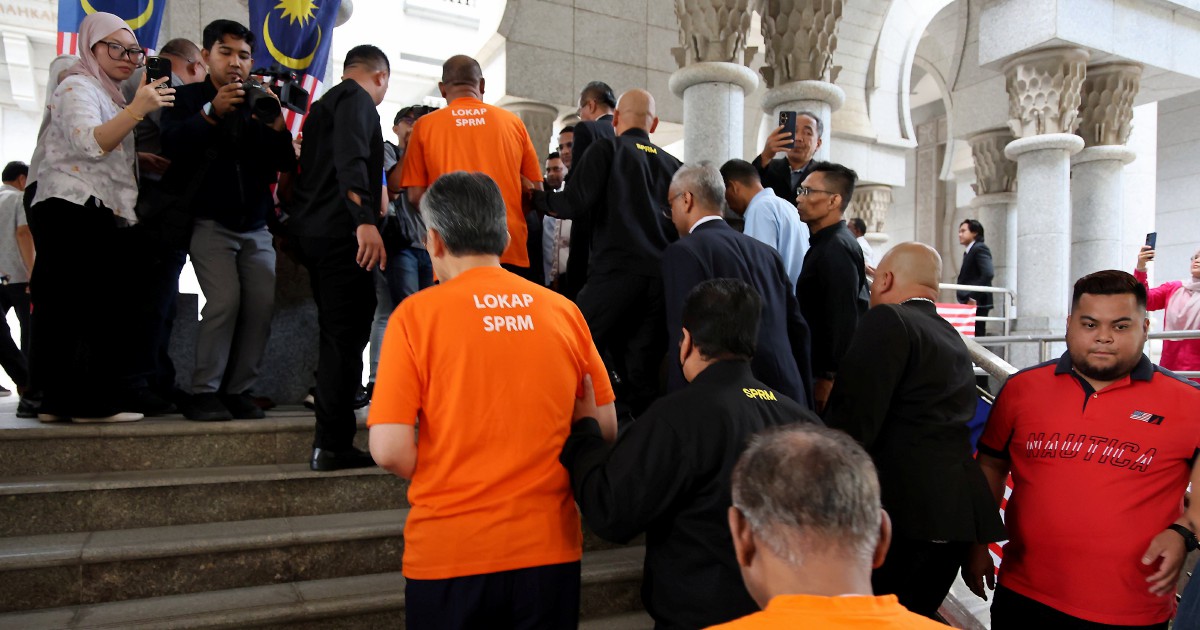
The Malaysian Anti-Corruption Commission succeeded today in extending the remand period for a former chief executive officer of Tabung Haji by four days. The decision, granted in Putrajaya, represents a continuation of investigations into the governance and financial management of the Islamic pilgrimage fund, which has faced heightened scrutiny in recent years.
Tabung Haji occupies a central position in Malaysia's Islamic financial ecosystem, managing savings and investment funds for millions of Malaysians planning to undertake the Hajj pilgrimage. As a statutory authority operating under the Tabung Haji Act 1995, the organization handles substantial capital entrusted by Muslims across the nation, making its administrative integrity a matter of considerable public interest. Any allegation of mismanagement within the organization carries significant implications for public confidence in Islamic financial institutions.
The extension of remand indicates authorities believe further questioning and investigation remains necessary to establish potential wrongdoing. Remand extensions in white-collar crime investigations typically suggest investigators require additional time to examine documentary evidence, interview witnesses, or pursue leads that emerge during custody. The commission's success in securing the extension demonstrates judicial confidence that a reasonable basis exists for continued detention.
The investigation appears to stem from or relate to recommendations emerging from a Royal Commission of Inquiry into Tabung Haji. Such formal inquiries are launched when alleged irregularities, financial impropriety, or governance failures reach a level requiring independent investigation by senior judicial or administrative figures. The fact that the RCI process has proceeded to the stage of arrests and remand extension suggests the inquiry uncovered sufficient material to warrant criminal investigation and potential prosecution.
For Malaysian Muslims, particularly those with deposits in Tabung Haji accounts, developments in this case carry personal resonance. Many contributors rely on the fund's stability and transparent management for their Hajj planning, often saving across many years or even decades. Governance failures or mismanagement could directly jeopardize retirement funds, pilgrimage savings, or investment returns that contributors depend upon, making the investigation's progress a matter of concern for millions nationwide.
The prolonged nature of this investigation reflects broader scrutiny that Tabung Haji has faced regarding its operational practices and investment decisions. Previous years witnessed public debate over the fund's handling of assets, performance relative to market benchmarks, and strategic decisions affecting contributor welfare. Such institutional challenges within Islamic financial bodies can affect confidence not only in individual organizations but also in the regulatory framework governing Islamic finance more broadly across Southeast Asia.
The Anti-Corruption Commission's active prosecution of cases involving state institution leadership sends an important signal about accountability expectations for senior public sector figures. Malaysia has positioned itself as serious about combating corruption within government-linked organizations, and the commission's willingness to pursue high-profile cases against former executives reinforces that commitment, though observers note that consequences for actual misconduct remain inconsistently applied across similar cases.
The investigation's trajectory will influence how Malaysia's governance institutions are perceived among international investors and rating agencies. Nations demonstrating capacity to investigate and prosecute leadership corruption within sovereign wealth funds and statutory authorities strengthen their standing on transparency indices, potentially affecting capital flows and borrowing costs. Conversely, perception that investigations are selectively applied or politically motivated can undermine institutional credibility.
For the financial sector broadly, the Tabung Haji investigation serves as a cautionary reminder regarding governance standards expected within institutions managing public assets. Boards, management teams, and senior executives across other government-linked companies will likely review their own control frameworks, documentation practices, and decision-making transparency in light of regulatory enforcement actions against peer organizations.
The former executive's continued detention suggests investigators believe material questions remain unresolved regarding conduct while in office. These may encompass procurement decisions, investment allocations, related-party transactions, or other administrative actions that could constitute breach of duty or corruption under the Malaysian Anti-Corruption Commission Act 2009. The remand extension provides authorities with additional interview time and opportunity to confront the executive with evidence obtained through document analysis or witness testimony.
As the investigation progresses, eventual charges—should they materialize—will likely attract significant public attention given the institution's prominence and the seniority of the individual involved. Any conviction would establish important precedent regarding accountability standards for leadership positions within large Islamic financial institutions operating in the Malaysian market.
The case also carries implications for Tabung Haji itself, which must now navigate reputational challenges while ensuring operational continuity and maintaining contributor confidence during an extended period of organizational scrutiny. Management succession, governance restructuring, and enhanced oversight mechanisms may become necessary to rebuild institutional credibility and demonstrate commitment to transparent operations aligned with Islamic principles of fiduciary responsibility.

