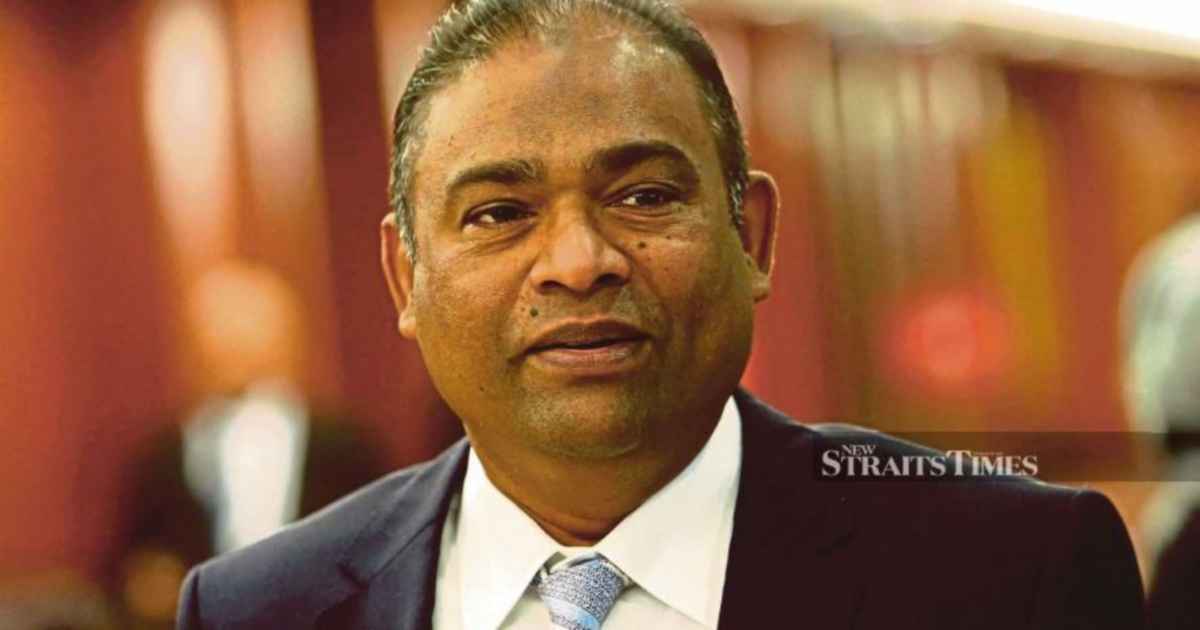
The family of former Tabung Haji chairman Datuk Seri Abdul Azeez Abdul Rahim has stepped forward to dispel speculation surrounding his interaction with the Malaysian Anti-Corruption Commission, with his son Mohamed Khairul Azman clarifying that no arrest took place. The clarification comes amid reports that had suggested the former pilgrimage fund leader faced detention by MACC, a claim the family has now definitively refuted.
Abdul Azeez served as chairman of Tabung Haji, Malaysia's statutory body responsible for managing the savings and welfare of Muslim pilgrims intending to perform the Hajj. The position carries significant public responsibility, given the institution's role in safeguarding the financial interests of hundreds of thousands of Malaysians who contribute to the fund annually. His tenure at the organisation placed him at the helm of a major financial institution whose operations directly affect the religious obligations and personal finances of the Muslim community.
The emergence of this clarification underscores how quickly reports can circulate in today's media environment, particularly when they involve public figures and institutions with high public visibility. In the case of high-profile individuals previously holding positions of authority, any interaction with anti-corruption authorities naturally attracts significant public and media attention. The speed at which such reports spread highlights the importance of swift clarification from credible sources, such as immediate family members.
Tabung Haji has been at the centre of various scrutiny over the years, with questions periodically raised about its governance structures and financial management. The institution manages hundreds of billions of ringgit in pilgrim savings, making its leadership positions subjects of considerable public interest. Any developments involving current or former leaders of such major financial bodies can trigger concern among stakeholders and the broader investing public.
The Malaysian Anti-Corruption Commission, as the country's primary institutional framework for investigating and prosecuting corruption, regularly pursues investigations involving individuals across both private and public sectors. The MACC's activities, particularly when they touch on individuals in positions of former authority, generate headlines and public discussion. This is entirely appropriate given the importance of anti-corruption efforts to Malaysia's institutional integrity and international reputation.
The family's decision to publicly clarify the situation reflects a desire to address misinformation before it gains further traction. In contemporary media ecosystems, false or misleading reports can take on a life of their own if left unchallenged, potentially damaging reputations and creating unnecessary public anxiety. By having Mohamed Khairul Azman speak directly about the situation, the family has sought to establish a clear factual record.
For Malaysian readers following developments involving major financial institutions and their leadership, this clarification is significant. Transparency surrounding interactions between public figures and anti-corruption authorities is fundamental to maintaining public confidence in both governance systems and the regulatory framework. When such interactions occur—or are reported to occur—clear communication helps prevent speculation that could undermine faith in the institutions concerned.
The situation also reflects broader patterns in Malaysian public discourse, where reports touching on corruption allegations or investigations can rapidly circulate across multiple media platforms and social media channels. The volume and speed of information flow in the digital age means that clarifications must be equally swift and clearly communicated to effectively counteract initial reports. The family's intervention demonstrates this principle in action.
As Malaysia continues to strengthen its anti-corruption frameworks and institutional transparency, the handling of reports and clarifications relating to investigations remains an important aspect of public life. The media's role in reporting on such matters accurately and responsibly is equally crucial, as is the public's understanding of the distinction between investigation, arrest, and legal proceedings. Each represents a distinct stage in any potential legal process, and clarity about which stage—if any—applies in a given situation is essential for informed public understanding.
This incident serves as a reminder of the importance of verification and the rapid dissemination of corrections when reports prove inaccurate. For those monitoring developments within Malaysia's major institutional leadership and governance, particularly in organisations like Tabung Haji that command significant public trust, such clarifications help maintain accuracy in the public record and support informed discussion about institutional accountability and anti-corruption efforts.

