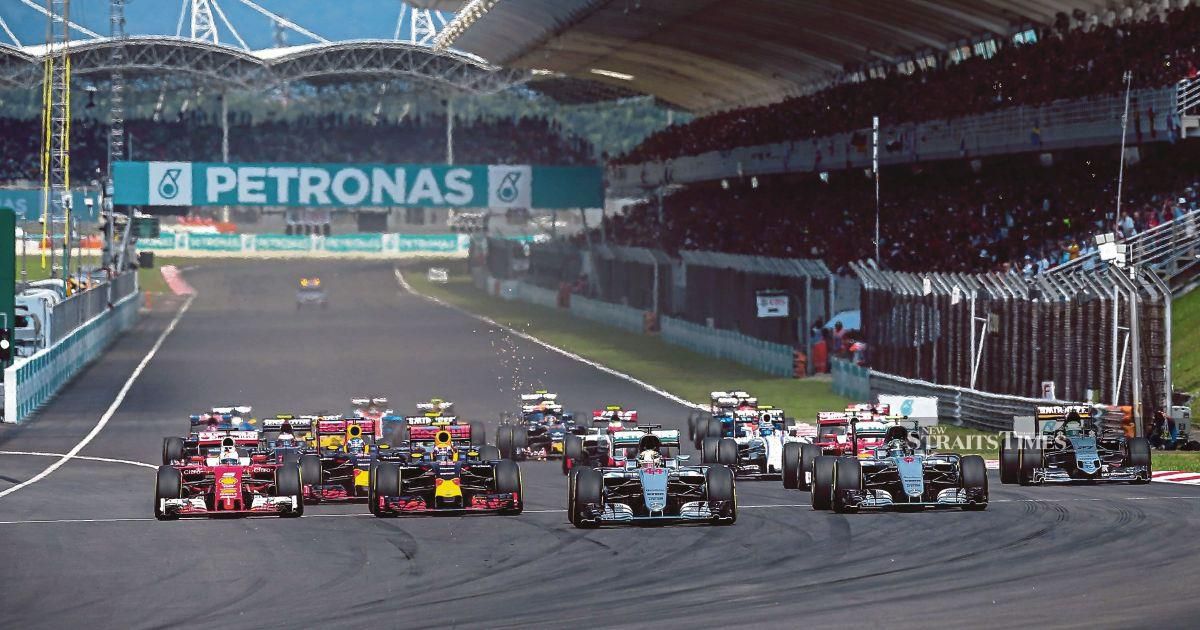
Malaysia's most prestigious motorsport spectacle returns to the Sepang International Circuit this October, and Prime Minister Datuk Seri Anwar Ibrahim has moved to ensure that Formula 1 remains accessible to ordinary Malaysians through an innovative ticket pricing scheme. Under the new initiative, fans will have the opportunity to purchase special Madani tickets priced from as low as RM200, substantially below commercial pricing for premium racing events. This strategic intervention reflects the government's broader philosophy of inclusive growth and shared national experiences, bringing one of motorsport's most glamorous competitions within reach of working-class enthusiasts and families who might otherwise be priced out of attendance.
The announcement underscores the significance Formula 1 holds within Malaysia's sporting calendar and international profile. Since the Sepang International Circuit opened in 1999, the venue has hosted 24 consecutive years of Formula 1 racing, establishing itself as a cornerstone event that generates considerable economic activity, global media attention, and national pride. The circuit's return to the calendar after absences in recent years represents a restoration of Malaysia's position as a premier destination for international motorsport, competing globally with venues in Singapore, Monaco, and Abu Dhabi for prestige and spectator engagement.
The Madani ticket initiative carries both practical and symbolic weight. By establishing entry points at RM200—a price point accessible to broader demographic segments—the government acknowledges that major sporting events need not remain the exclusive domain of the affluent. This pricing strategy creates a tiered attendance experience: dedicated enthusiasts and international visitors can pursue premium seating and hospitality packages, while domestic audiences gain meaningful access to the on-track action. The mathematical impact is significant; at such price points, tens of thousands of additional Malaysian spectators become viable attendees, fundamentally altering the composition and scale of crowd participation.
The October timeframe for the Sepang race positions it strategically within Malaysia's calendar of major events and aligns with favourable weather conditions. The season timing also carries implications for the broader Formula 1 calendar construction, particularly as the championship navigates evolving geographic strategies and regional priorities. For Malaysian fans, October attendance requires manageable planning and typically falls outside school holidays, suggesting the initiative particularly targets young working adults, students, and families seeking accessible entertainment experiences during this specific window.
From an economic perspective, the initiative generates substantial multiplier effects extending well beyond ticket sales. Formula 1 race weekends traditionally catalyse spending across accommodation, food and beverage, retail, and entertainment sectors, with international visitors complementing domestic attendees. By lowering entry barriers for Malaysians, the government essentially expands the total addressable market for all ancillary spending categories. Hotels in greater Klang Valley and Selangor experience occupancy spikes, restaurants and entertainment venues benefit from concentrated weekend visitor traffic, and transport services encounter peak demand. This ecosystem effect means that the RM200 ticket becomes an economic catalyst activating broader commercial activity.
The Sepang circuit itself remains a marvel of engineering and operational sophistication, featuring diverse track layouts capable of hosting various racing formats and configurations. Its facilities, developed through multiple renovation cycles, accommodate both intimate sections where spectators experience visceral proximity to high-speed action and expansive viewing areas servicing larger crowds. The venue's technical characteristics—elevation changes, varied corner profiles, and weather exposure—create compelling racing spectacle that rewards attendance over broadcast viewing alone, reinforcing the value proposition of ticketed attendance.
Socially, the Madani ticket initiative reflects evolving government priorities around cultural participation and national cohesion. Motor racing command passionate followings among diverse age groups and demographic segments, transcending conventional social boundaries. Enabling broader attendance democratises access to elite sporting experiences and contributes to shared national narratives around technological achievement, sporting excellence, and Malaysia's integration into global competitions. For younger Malaysians especially, witnessing Formula 1 live can inspire interest in engineering, automotive technology, and competitive excellence across domains.
The competitive context surrounding Formula 1's Asian footprint warrants consideration. Regional venues including Sepang, Singapore, and potential expansions jostle for calendar prominence and commercial investment from Formula 1's governing structure. Malaysia's positioning hinges partly on demonstrating robust local enthusiasm and attendance figures, metrics that significantly influence championship organisers' strategic decisions. The RM200 pricing strategy directly supports this competitive positioning by delivering the spectator volumes and engagement metrics that justify continued inclusion in the global circuit calendar.
Looking forward, the Madani ticket initiative may establish precedent for pricing inclusivity around future major sporting events hosted in Malaysia. As the nation competes for additional premier competitions—whether Commonwealth Games bids, international football tournaments, or cricket championships—the principle of accessible pricing for domestic populations could become distinguishing characteristic of Malaysia's event management philosophy. Such an approach differentiates Malaysian venues from competitors emphasizing premium positioning, appealing instead to organisers and partners valuing broad-based community engagement.
The return of Formula 1 to Sepang, coupled with deliberate affordability measures, represents a calculated investment in both immediate spectator experience and longer-term positioning of Malaysia within global motorsport geography. The RM200 Madani ticket acknowledges that elite sporting spectacles gain their full meaning and impact when experienced not exclusively by privileged minorities, but by representative cross-sections of the national community who generate authentic enthusiasm and lasting memory formation.

