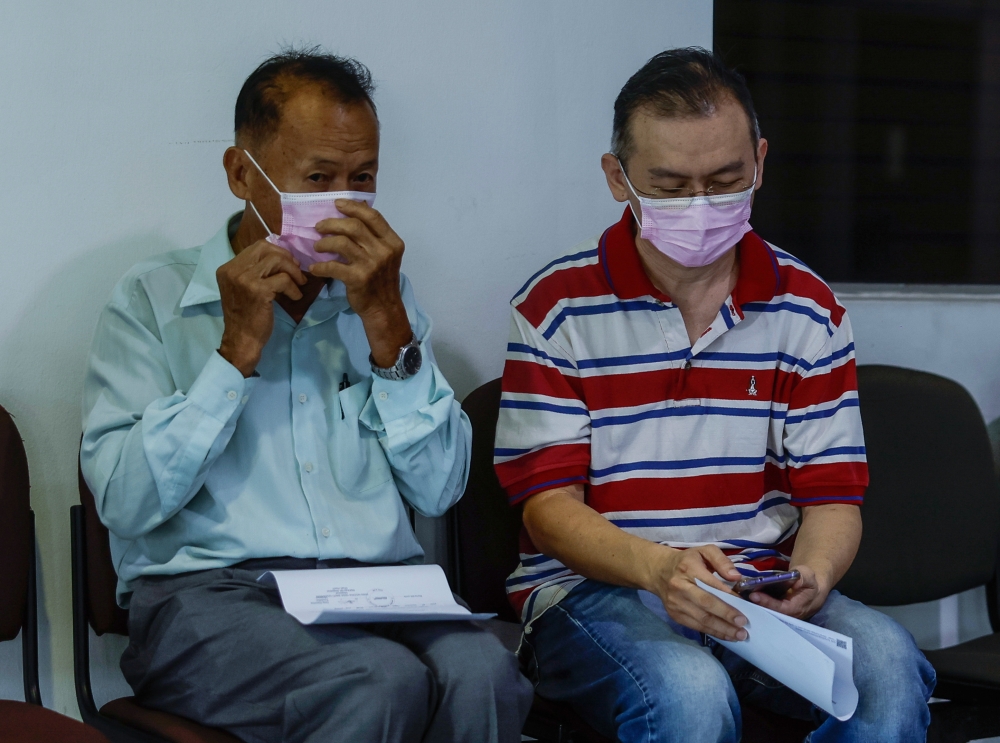
Four individuals made their first court appearance in Shah Alam Sessions Court on Wednesday, facing charges stemming from allegations that they submitted false and misleading statements as part of their applications to the Perkeso Daya Kerjaya 2.0 programme. The charges underscore emerging vulnerabilities within Malaysia's vocational training and employment development initiatives as authorities intensify scrutiny over the authenticity of beneficiary registrations.
The Perkeso Daya Kerjaya 2.0 programme represents a significant component of the Social Security Organisation's broader efforts to equip Malaysian workers with enhanced job skills and employment readiness. Administered under the Malaysian Social Security Act, the initiative targets individuals seeking upskilling opportunities and career advancement pathways. The emergence of fraudulent applications suggests potential exploitation of accessibility provisions designed to support legitimate applicants, particularly from economically disadvantaged or underemployed communities.
These prosecutions reflect heightened enforcement activity by authorities investigating misappropriation of government training resources. Court documents indicate that the defendants knowingly furnished inaccurate information during the application process, potentially to secure undeserved access to subsidised training programmes or associated financial benefits. Such conduct diverts limited vocational training allocations away from genuinely eligible participants and strains the fiscal sustainability of social support mechanisms.
The Shah Alam Sessions Court jurisdiction has become an active venue for addressing white-collar offences related to social security programme abuse. Investigators typically examine documentation discrepancies, cross-reference applicant information against employment records, and trace inconsistencies in residential status or educational credentials. Digital forensics increasingly play a role in establishing whether fraudulent submissions exploited system vulnerabilities or involved coordinated schemes with multiple conspirators.
Malaysian policymakers face mounting pressure to strengthen application verification protocols without creating bureaucratic impediments that deter legitimate applicants. The balance between accessibility and fraud prevention remains contested within government agencies responsible for social programme administration. Enhanced pre-screening mechanisms, biometric verification systems, and employer coordination could potentially reduce fraudulent submissions, though implementation costs and processing delays warrant careful consideration.
The timing of these charges carries broader implications for Malaysia's post-pandemic economic recovery strategy. Perkeso Daya Kerjaya 2.0 gained prominence as businesses navigated labour market disruptions and workers confronted rapid technological transitions affecting employment competitiveness. Government investment in skills development programmes reflects recognition that vocational capability gaps impede sectoral productivity and limit upward mobility for working-class Malaysians. Fraud cases risk eroding public confidence in programme legitimacy and potentially influencing future funding allocations.
Regional comparisons suggest that employment training schemes across Southeast Asia encounter similar authentication challenges. Singapore's SkillsFuture initiatives and Indonesia's vocational centres have similarly confronted fraudulent claims on subsidised training resources. Peer learning and information exchange among ASEAN nations regarding best-practice verification methodologies could strengthen programme resilience across the region while protecting legitimate beneficiaries from reputational damage by association with misconduct.
The defendants' legal representation and any eventual trial outcomes will likely establish important precedent regarding sentencing expectations for social programme fraud. Malaysian courts have historically imposed varied penalties depending on conspiracy scope, financial impact magnitude, and individual circumstances. Custodial sentences, financial restitution orders, and programme disqualification provisions all feature within sentencing frameworks for such offences.
Industry observers note that contractor networks and training facilities delivering Perkeso Daya Kerjaya 2.0 curricula remain dependent on accurate participant data for performance metrics and funding justification. Inflated enrolment figures resulting from fraudulent applications distort outcome assessments and complicate quality assurance evaluations. Government audits examining programme effectiveness necessarily incorporate authentication integrity into performance measurement criteria.
Future policy responses may encompass legislative amendments tightening application documentation requirements, enhanced inter-agency information-sharing protocols, and stronger penalties for intentional misrepresentation. Socioeconomic profile verification linking applicant credentials to tax records, employment history databases, and educational institution databases could substantially reduce fraudulent submissions while maintaining programme accessibility for eligible participants facing genuine economic constraints.
The broader institutional question concerns whether Perkeso's administrative capacity matches its expanded programme responsibilities. Additional funding for dedicated compliance personnel, upgraded digital infrastructure, and staff training in fraud detection may prove necessary for safeguarding programme integrity. Malaysian authorities must navigate this investment carefully, ensuring that anti-fraud expenditures remain proportionate to training resource allocations and programme budgets.

