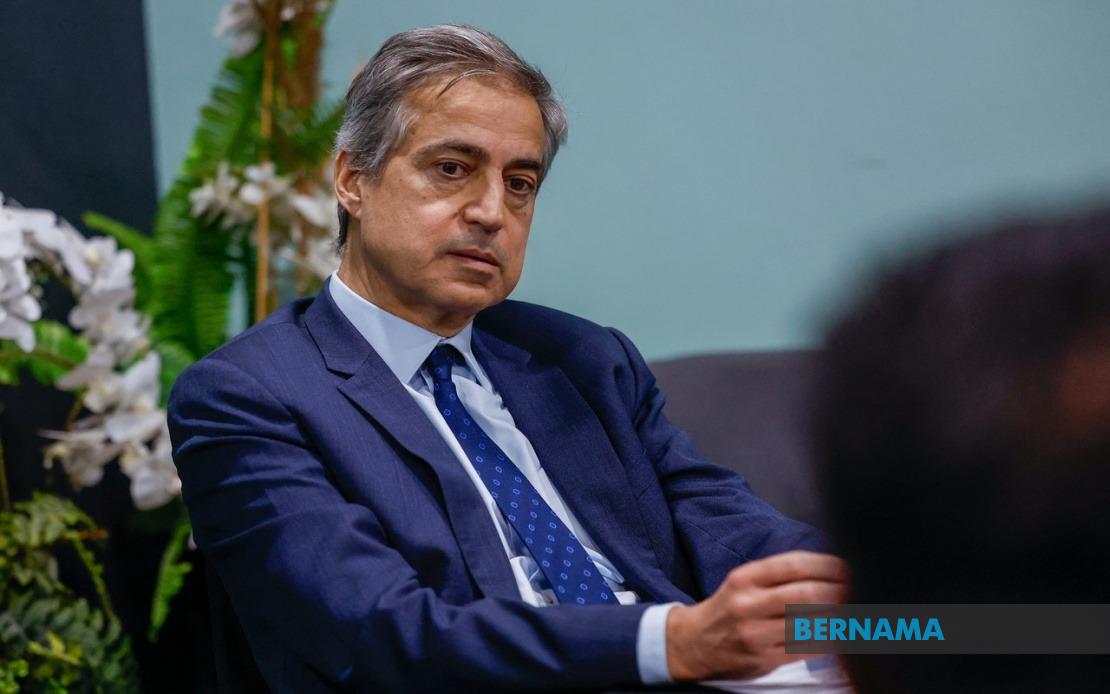
France and Malaysia are committed to deepening their partnership as both nations work to bridge international divides in an increasingly polarised world, according to French Ambassador to Malaysia Marc Abensour. Speaking at the French National Day reception held at the ambassador's residence in Kuala Lumpur on Tuesday evening, Abensour emphasised that the two countries share a fundamental responsibility to build diplomatic and economic bridges during a period of significant global fragmentation and geopolitical tension.
The bilateral relationship rests on several interconnected pillars that extend well beyond traditional diplomacy. Economic ties have demonstrated particular momentum, with trade between the two nations expanding by 11 per cent in the previous year. This growth reflects the deepening commercial integration of Malaysia into French supply chains and investment portfolios, signalling sustained business confidence in the Malaysian market despite regional and global uncertainties. The figures underscore how Malaysia has become an increasingly important partner for French commercial interests in Southeast Asia.
The employment impact of French corporate presence in Malaysia deserves particular attention for its implications on the local job market and skills development. Approximately 600 French companies currently operate across Malaysia, collectively supporting more than 30,000 local employment opportunities across various sectors including automotive, pharmaceuticals, hospitality, and professional services. This substantial workforce indicates that France's economic engagement with Malaysia extends beyond investment and trade flows to tangible contributions to domestic employment and income generation for Malaysian families.
Malaysia's position within the global French investment landscape further demonstrates the strategic importance of this relationship. The country ranks as the world's tenth-largest destination for French foreign direct investment, placing it ahead of most developing nations and reflecting France's confidence in Malaysia's economic governance, institutional frameworks, and long-term growth potential. This ranking positions Malaysia competitively within Southeast Asia and highlights the nation's appeal to major developed economies seeking regional investment opportunities.
Educational and cultural dimensions of the France-Malaysia relationship reveal equally robust engagement patterns. More than 3,700 candidates in Malaysia participated in French-language certification programmes, establishing the nation as the third-largest centre for French language learning in Asia, trailing only India and China. This linguistic engagement reflects broader cultural affinity and suggests that French language skills may increasingly feature in Malaysia's professional workforce, potentially facilitating enhanced business communication and cultural understanding between the two populations.
Federal Territories Minister Hannah Yeoh, attending as guest of honour, underscored the Malaysian government's commitment to strengthening Franco-Malaysian relations. Her presence at the reception, alongside approximately 800 other attendees including senior government officials, diplomats, and ambassadors from various nations, reflected the significance both governments attach to this partnership and their desire to showcase it to the broader international community operating within Malaysia.
The reception itself embodied the fusion of French and Malaysian cultures that characterises this relationship. Guests experienced an array of traditional French culinary offerings whilst a distinctive Malaysian addition—a durum-tasting booth—introduced local flavours to the celebration. This cultural intermingling symbolised more than mere hospitality; it demonstrated how the two nations are learning to appreciate and integrate each other's traditions whilst maintaining their distinct identities.
French National Day, commemorated annually on July 14, honours the 1789 Storming of the Bastille and celebrates the foundational ideals of liberty, equality, and fraternity. For France's diplomatic missions globally, the occasion provides an opportunity to reinforce these universal principles and articulate how they underpin France's approach to international relations. In Malaysia's context, these values resonate with democratic principles and multicultural governance that define the nation's own constitutional framework.
The timing and tenor of this diplomatic engagement reflect broader strategic considerations for both nations. France maintains substantial interests in maintaining stable, prosperous relationships with economically significant Southeast Asian partners as it seeks to position itself as a major player in the Indo-Pacific region. Malaysia, similarly, benefits from diversified diplomatic partnerships that include major European economies, reducing dependency on any single geopolitical sphere and enhancing its negotiating flexibility within an increasingly multipolar international system. The emphasis on bridge-building during a fragmented global environment suggests that both France and Malaysia recognise the value of their bilateral partnership as a stabilising force within their respective regional and international contexts.

