France has crossed a significant regulatory threshold by becoming the first member state of the European Union to impose a blanket ban on social media usage for children under 15 years of age. Parliament delivered its approval on Tuesday, marking a watershed moment in European child protection policy and signalling an intensifying focus on digital safety across the continent. The decisive parliamentary votes—243 to 2 in the Senate and 279 to 81 in the National Assembly—reflect broad political consensus behind the measure, though not without some resistance in the lower chamber.
Digital Affairs Minister Anne Le Henanff framed the legislation as groundbreaking protection for young people navigating an increasingly complex online environment. In remarks delivered to senators immediately before the vote, she characterised France's move as establishing "a digital age of majority," emphasizing that the nation was taking the lead in Europe to safeguard children from the potential harms associated with early social media exposure. This rhetorical positioning placed the legislation within a broader philosophical framework about childhood development and state responsibility in the digital age.
The practical rollout of the ban will occur in two phases to accommodate the existing user base. From the beginning of the September school year, newly created social media accounts will fall under the age restriction immediately. However, to avoid sudden disruption for existing users, accounts that were established before the law takes effect will have until the start of January to comply, giving younger users and their families a transition period to adjust to the new requirements.
The legislation extends beyond social media restrictions to address screen time more comprehensively in educational settings. A parallel provision bans mobile phones in high schools, complementing the social media restrictions and reflecting recognition that digital device management in schools represents a multifaceted challenge requiring coordinated intervention. This broader approach suggests French policymakers view the issue not as narrowly focused on social platforms alone but as part of a wider reckoning with technology's role in adolescent life.
For Malaysia and the Southeast Asian region, France's action carries significant implications as technology policy develops across Asia-Pacific democracies. The region has witnessed explosive growth in social media penetration among youth, with platforms like TikTok, Instagram, and Facebook dominating user demographics that skew significantly younger than their Western counterparts. Malaysian policymakers, alongside counterparts in Singapore, Thailand, and Indonesia, have grappled with comparable concerns about screen addiction, cyberbullying, mental health impacts, and exposure to inappropriate content among minors, making France's legislative model a potential reference point for future regional policy discussions.
The European approach to digital regulation generally tends toward more prescriptive government intervention compared to the lighter-touch regulatory frameworks that have historically prevailed in Southeast Asia, where industry self-regulation and parental responsibility have been emphasised. However, mounting evidence of social media's negative effects on adolescent mental health has prompted even traditionally market-oriented policymakers to consider more assertive measures. Malaysia's own regulatory institutions, including the Malaysian Communications and Multimedia Authority, have begun examining age-appropriate usage frameworks, though nothing approaching France's outright ban has been implemented.
Implementing an age-based ban of this scope presents substantial practical and enforcement challenges that warrant attention. Social media platforms have long relied on users to self-verify their age through honour systems that notoriously fail to exclude younger users. France's law will require platforms operating within EU jurisdiction to implement robust age verification mechanisms, likely using identity documents or other authenticated credentials. The technical and privacy implications of such systems remain contested, with civil liberties advocates raising concerns about data collection and surveillance, while child welfare advocates contend that protective benefits justify enhanced verification requirements.
The legislative success in France also reflects a broader European trend toward asserting governmental authority over technology companies' content policies and user safety practices. The European Union's Digital Services Act and Digital Markets Act have already established a framework for stricter platform accountability, and France's ban fits within this wider regulatory philosophy that treats technology companies as responsible actors whose operations must align with European values and social goals. This contrasts with approaches in some jurisdictions that prioritise innovation and competition over precautionary restrictions.
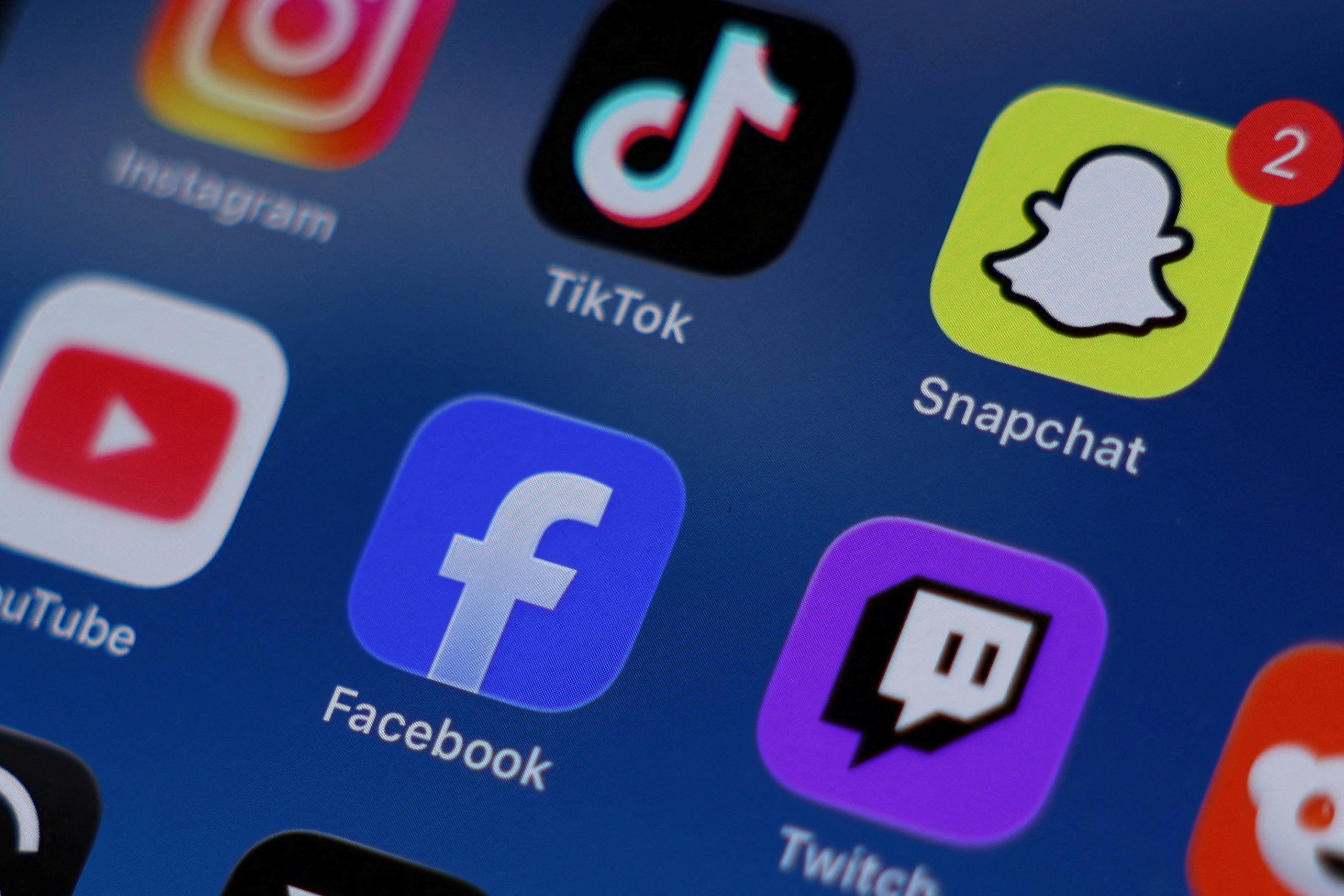
Global technology companies face an accumulating patchwork of regional regulations that complicate platform design and enforcement. Facebook, Instagram, TikTok, and comparable services will need to develop geographically differentiated compliance mechanisms to meet France's requirements while maintaining service quality in other markets with different age restrictions. Some platforms already implement region-specific features, but a complete ban for an entire age cohort represents a more complex challenge than age-gated content or restricted functionality.
The ban's long-term effectiveness will depend substantially on enforcement rigour and cultural factors shaping parental supervision and peer pressure around social media use. France's government will need to establish mechanisms for monitoring compliance and addressing violations, likely tasking the CNIL (National Commission for Informatics and Liberty) with oversight. However, determined teenagers and cooperative parents may find workarounds, particularly through VPN services or parental account sharing, raising questions about whether legislative prohibition can fully achieve its protective intent without accompanying educational and cultural shifts.
Regionally, France's legislation may accelerate conversations within ASEAN forums about harmonising digital safety standards. Malaysia's position as a technology hub and developing digital economy creates particular tension between protecting young citizens and maintaining a business-friendly regulatory environment that attracts tech investment and talent. The French model demonstrates that even economically developed nations with significant tech sectors can pursue restrictive approaches, potentially emboldening similar advocates in Malaysia and neighbouring countries who argue that child welfare should supersede commercial platform interests.
Longer-term, France's experiment will generate empirical data about whether age-based social media restrictions actually reduce harms to youth mental health, academic performance, and development. International researchers will likely scrutinise outcomes closely, and results may significantly influence subsequent policy decisions across Europe and globally, including in Southeast Asia. If France demonstrates measurable protective benefits without excessive economic disruption or enforcement problems, other jurisdictions—including Malaysia—may find political space for comparable legislation. Conversely, if the ban proves difficult to enforce or generates unintended consequences, it may caution other nations against similar measures.

