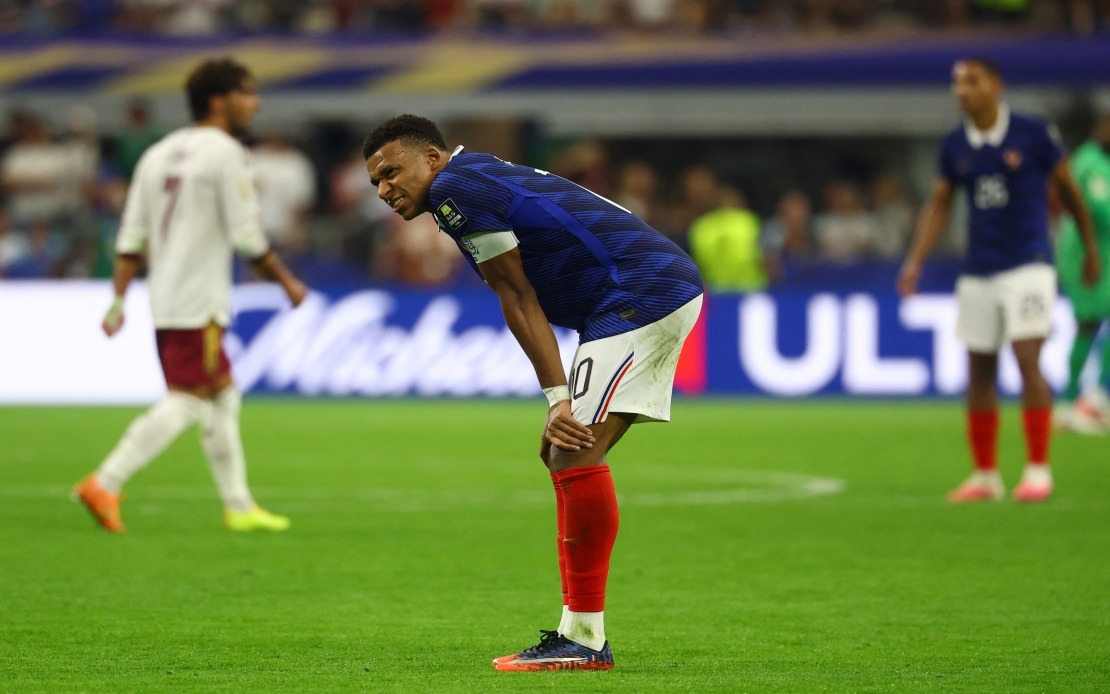
The aftermath of France's 2-0 FIFA World Cup semifinal defeat to Spain descended into disorder across major French cities, prompting a significant police response and leading to more than 160 arrests. The clashes occurred in the hours following the match on Tuesday evening, with the Paris Police Prefecture documenting 141 detentions in the capital and surrounding regions alone. Separately, approximately 20 arrests were made in Lyon, bringing the combined total to well over 160 individuals taken into custody by law enforcement authorities on the night.
In the Paris region, the detained individuals faced charges predominantly related to the deployment of pyrotechnic devices against officers and emergency personnel. Firework mortars constituted the primary implement used by those engaged in the disturbances, according to official statements from French security forces. The targeting of such devices at police and emergency service workers represents a serious escalation of post-match celebrations that turned confrontational. Despite the scale of the incidents and the use of projectiles, authorities confirmed that no significant injuries were sustained during the evening's unrest, though property damage assessments remained ongoing.
Lyon witnessed its own outbreak of disorder, though on a somewhat smaller scale than the capital. Several hundred spectators had congregated at Place Bellecour to view the semifinal match together, transforming the historic square into a gathering point for football enthusiasts. The Spanish victory triggered the formation of smaller groups among the crowd, some of whom began engaging in destructive behaviour. These individuals hurled various projectiles, including fireworks, in the direction of deployed police units stationed to manage the crowd. French riot control officers moved swiftly to contain the situation, managing to arrest around 20 people in connection with the disturbances before order was fully restored.
The demographic profile of those arrested in Lyon painted an interesting picture of youth engagement during the incident. The vast majority of detainees had been born between 2002 and 2011, indicating that many were teenagers or young adults in their early twenties at the time of arrest. This age distribution raises questions about the role of adolescent impulsivity and peer group dynamics in fuelling the disturbances, particularly during high-emotion sporting events that capture national attention. The involvement of such young individuals suggests that post-match disorder often involves those with limited life experience managing intense feelings of disappointment or seeking to participate in collective action.
Local authorities in Lyon reported that the disturbances did not result in casualties or extensive property destruction, contrasting somewhat with the more serious incidents documented in the Paris region. The relatively contained nature of the Lyon events may reflect both the smaller crowd size and the rapid intervention by riot police, who prevented the disorder from escalating further. Nevertheless, the occurrence of organised projectile attacks against law enforcement demonstrates that even the more controlled situation carried elements of intentional confrontation rather than spontaneous celebration.
The broader context of this post-match disorder reflects a pattern familiar to football-obsessed nations across Europe, where intense national sentiment surrounding international competitions can translate into public disorder. France's elimination from the World Cup semifinal stage represented a significant disappointment for a nation with considerable pride in its football heritage. The fact that the loss came to Spain, a traditional rival in European competitions, may have intensified the emotional impact on supporters who had invested considerable hope in the national team's progression.
For Malaysian observers and Southeast Asian commentators, these incidents highlight the universal challenge that sports administrations face in managing fan behaviour during major tournaments. While European nations grapple with post-match disorder in established stadiums and urban centres, similar phenomena occur across Asia and the broader developing world, where large televised matches draw equally passionate audiences. The deployment of riot police and the scale of arrests demonstrate the significant resources required to maintain public order during and after high-stakes sporting contests.
The incident also underscores the distinction between legitimate celebration and criminal behaviour that authorities must navigate carefully. Permitting passionate expression of national sentiment represents an important democratic value, yet the use of weapons such as firework mortars against police crosses into territory that cannot be tolerated in any jurisdiction. French authorities faced the challenge of distinguishing between disappointed supporters gathering to commiserate their team's exit and those actively engaged in violence or attempting to provoke confrontations with law enforcement.
From a governance perspective, the rapid response and the relatively low injury count suggest that French security preparations for hosting World Cup events remained reasonably effective. The ability to process over 160 arrests across two cities within a single evening, while preventing serious harm, reflects operational competence by police forces accustomed to managing large sporting events. However, the need for such extensive arrests raises questions about whether police presence and management tactics might be adjusted in future tournaments to reduce friction between fans and authorities.

