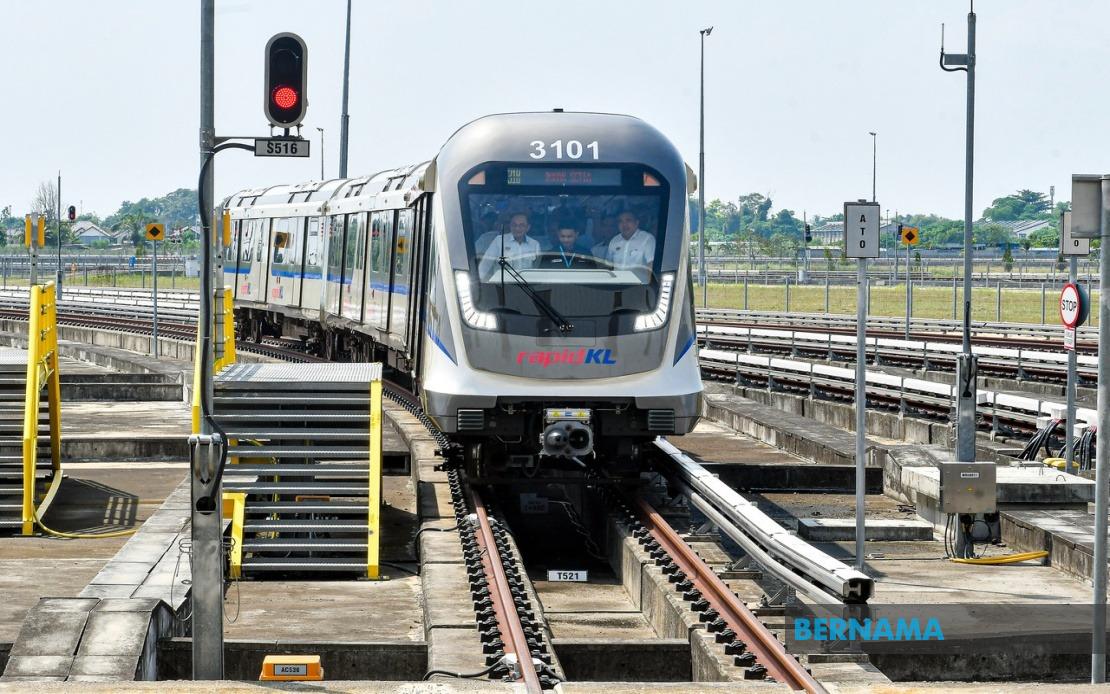
Prime Minister Datuk Seri Anwar Ibrahim has announced a month-long free fare scheme for the Light Rail Transit 3 (LRT3) Shah Alam Line, effective from June 29 through July 31, marking a significant push to encourage public adoption of the new transport corridor. The initiative extends beyond train services to encompass all feeder bus routes operated by Prasarana Malaysia Berhad, creating an integrated mobility ecosystem across the Klang Valley that users can explore without financial barriers during the promotional period.
The announcement has resonated strongly with students and working professionals in the region, particularly those navigating the sprawling Klang Valley commute patterns. For a substantial portion of the Klang Valley population, especially university students and younger workers, the traditional reliance on private vehicles, ride-hailing applications, or parental financial support has created considerable strain on monthly budgets. The free fare initiative directly addresses this pain point by removing the immediate cost consideration from commuting decisions, allowing potential users to evaluate whether the LRT3 adds genuine value to their daily routines.
Arissa Ahmad Khairul, a 22-year-old Bachelor of Journalism student at Universiti Teknologi MARA (UiTM), articulates the perspective of the student demographic that stands to benefit most immediately from this scheme. For students juggling academic commitments with part-time work and limited disposable income, transport costs represent a recurring expense that frequently forces difficult choices between public transit and cheaper but more time-consuming alternatives. The free month provides an invaluable window to assess whether the LRT3's route through Bandar Utama and connection to the UiTM campus materially improves her commute from Kepong, potentially delivering savings measured not only in ringgit but also in hours recovered during her week.
Median commuters appreciate the pragmatic design underlying the promotion. Yamin Ahmad, a 25-year-old media professional, identifies a crucial psychological dimension: the free fare period eliminates a common barrier to transit adoption, namely the uncertainty surrounding whether a new service justifies its operational costs. By removing financial risk during the trial phase, Prasarana essentially invites commuters to conduct their own cost-benefit analysis comparing the LRT3 against private vehicles or ride-hailing applications. This transparent approach respects commuter intelligence and facilitates the transition from habit-driven transport choices toward data-informed decision-making.
The opening of the dedicated UiTM station represents particularly strategic infrastructure for Malaysia's tertiary education sector. Universiti Teknologi MARA, with approximately 42,000 enrolled students, presents a concentrated user base with predictable travel patterns during academic terms. Mohamad Adib Hazim Mohamad Razali, president of the UiTM Students' Representative Council, highlights the demographic split that makes this development consequential: only about 13,500 students reside in campus housing, while approximately 28,500 live off-campus in scattered residential areas across Kuala Lumpur, Subang Jaya, and surrounding suburbs. For off-campus residents, the accessibility of reliable rapid transit directly influences educational outcomes by reducing transit commute times and associated fatigue.
The transition from alternative transport modes to formal public transit carries broader implications for Malaysia's sustainability and urban planning objectives. Students and young professionals currently utilizing ride-hailing services represent a particularly significant cohort, as their commuting preferences established during formative years often persist throughout their careers. By introducing this demographic to the LRT3 during the free month, Prasarana creates an opportunity to establish long-term ridership patterns that could substantially reduce private vehicle volumes on Klang Valley thoroughfares during peak periods. This mechanism of behavioral change through low-risk trial exemplifies evidence-based public policy.
The integrated approach combining rail and feeder bus services deserves analytical attention, as it acknowledges that first-mile and last-mile connectivity frequently determines transit adoption rates. A well-integrated feeder bus network extending the LRT3's effective catchment area represents genuine infrastructure modernization rather than merely adding another rail line. For commuters residing in suburban areas not directly adjacent to the rail corridor, the complementary bus services fundamentally alter the calculus of transit viability. During the free month, residents across this expanded zone can evaluate the complete door-to-door transit experience rather than assessing the rail component in isolation.
Financial considerations extend beyond immediate user benefit to encompass broader economic implications for the Klang Valley labor market. Commuting costs directly influence wage negotiations and job search behavior, as workers factor transport expenses into acceptable salary thresholds. By reducing effective commuting costs during this trial period, the LRT3 potentially expands the geographic radius within which workers can consider employment opportunities, theoretically improving labor market efficiency and reducing skills mismatches between job locations and available talent pools. This economic dimension, though not immediately visible in promotional messaging, carries long-term significance for regional competitiveness.
The pedagogical value of this promotional approach warrants recognition within Malaysia's broader public transportation governance framework. Rather than assuming that infrastructure quality alone drives ridership, the free month acknowledges that commuting represents a complex decision involving habit, risk perception, and information asymmetries. By designing an intervention that addresses these behavioral dimensions, Prasarana and the government demonstrate sophisticated understanding of transportation adoption processes. The resulting data regarding who uses the service during the free period, which routes achieve highest patronage, and how usage patterns evolve week-by-week will provide invaluable intelligence for optimizing post-promotional pricing and service allocation.
Looking toward the conclusion of the free month, the transition to commercial fares will constitute a critical juncture determining whether trial usage converts to sustained ridership. Prasarana's design of post-promotional pricing strategies and possible extended incentives will significantly influence whether the September through December period maintains the traffic volumes generated during the initial launch. The government's commitment to this extended trial period suggests confidence in the underlying service quality and route design, implying that pricing rather than fundamental service deficiencies represents the primary barrier to adoption among cost-conscious commuter segments.

